Many years ago, I knew an older lady who, throughout her life, branded herself as a dyed-in-the-wool rebel, someone who made an entire living from refusing to abide by the rules, whether formal or unspoken. At a milestone birthday, I asked her what she considered to be her most rebellious act. Her response has stuck with me for years: “getting old”, which is both a funny statement and one that is quietly quite sobering. For many rebels and revolutionaries, the act of growing older is perhaps the most challenging experience, since marching to the beat of one’s own drum is certainly a young person’s game, and it is often considered fashionable to be martyred (whether literally or more metaphorically) when youth is still in abundance. Where does this story fit in with today’s conversation? In frank terms, John Waters has turned eighty today – and it feels like he would find value in the idea of reaching this age to be quite an achievement. He has outlived many of his peers and friends, and over the course of the past several decades stuck around long enough to carry their memory, while also continuing to forge in own path, becoming this elder statesman of cinema, someone who has never once attempted to do anything other than marching to the beat of his own drum, regardless of the negative voices who seem insistent on pleading against his particular brand of artistry. There seems to be no better tribute to Waters on this milestone anniversary than to discuss the films that led him to earn so much affection and notoriety. He is the subject of the next edition of The Long Take, my ongoing series where I discuss the filmmakers I admire and adore through rewatching their work and deciding on an approximate ranking of all of their feature films. For someone who so frequently resisted any kind of conformity, it seems odd to approach his work from such an orthodox celebratory perspective – but what better way to acknowledge Waters’ influence than to reconsider them all as part of one of the most exciting, unique cinematic careers of the past fifty years.
There are few filmmakers who not only manage to amass the sheer number of nicknames (both complimentary and derisive, although he is someone who probably would be more flattered by the latter when all is said and done), than Waters – who else can lay claim to being called The Sultan of Sleaze, The Prince of Puke, The Filth Elder or perhaps the most famous – and the one he’s embraced the most widely – “The Pope of Trash”, a title bestowed on him by his friend, the equally iconoclastic William S. Burroughs, and one that he wears with sincere affection. Over more than half a century (who would’ve thought such a term would ever be used to refer to someone who built his career out of being in constant combat with audiences, critics and the industry? This kind of longevity cannot be manufactured), Waters has openly embraced the division between good taste and bad taste, which he often posits cannot exist independently and rely on one another to actually function. It’s the duality between the sacred and the profane that makes art truly memorable, which seems to be rapidly declining as far as guiding principles in the contemporary artistic landscape tend to go, where everyone is chasing virality without actually understanding the importance of striking that balance. We cannot condense everything Waters has said on art and its function into a single discussion – but thankfully, he’s done enough work (both on film and outside of it, since he’s written several books and is a constant fixture on the press circuit – no one seems to enjoy giving an interview more than him, since he understands this is one of the last remaining areas in which an artist can truly provoke, since it’s a medium designed to grab one’s attention) to make his perspective entirely clear. The films speak for themselves, and every one of them represents a small but integral piece of the delightful enigma that is Waters’ delightfully deranged artistic vision.
Waters has always been someone who occupies such a fascinating place in film history – he started working right at the peak of the first major movement in American independent cinema, and continued into the second wave, which coincided with his own rise in respectability. We don’t need to look too long to see how he was influenced by so many remarkable artists, several of whom are synonymous with defining global cinema in various ways, and it’s important to acknowledge where he came from to understand the work he produced over the years, since every filmmaker brings with them a set of influences that guide their process. By his own admission, three core influences drove Waters’ work: firstly, there were the underground filmmakers like Kenneth Anger, Jack Smith, George Kuchar and Andy Warhol, who redefined what cinema could communicate, and remain provocative even by contemporary standards. Secondly, there were exploitation filmmakers like Russ Meyer, Doris Wishman (Waters speaks fondly about his appreciation for the “nudie” movies that he considers some of his earliest influences) and Herschell Gordon Lewis, who pushed the boundaries of good taste in such a way that it became part of the artistic process. Finally, there were the foreign filmmakers like Ingmar Bergman, Luis Buñuel and Pier Paolo Pasolini, the latter being unsurprisingly the most influential of them all. Looking at these names (as well as other miscellaneous voices, such as Zap Comix figures like R. Crumb and S. Clay Wilson, who Waters also has spoken about admiring immensely, more formal filmmakers like Douglas Sirk and the always delightful William Castle, who inspired him to adopt a more playful approach to engaging with audiences), its a rogue’s gallery of diverse voices, but they all share something in common: they were driven by the desire to provoke, never allowing censorship to get in the way of their radical acts of self-expression and artistic integrity. Waters would be the first to underline how much these artists meant to him, and part of the joy of rewatching his films for this project has been to consider how he draws inspiration from all of these incredible filmmakers, who are integral to understanding his process.
Without any further ado, here is the ranking. As usual, only feature films have been counted. His short films are certainly worth seeing, both because they represent many of Waters’ earliest efforts to shock and provoke (especially since most of these films were made when he and his crew were barely old enough to be out of school, some of them even being produced when they were teenagers), but some of these are unavailable, and it certainly would not be appropriate to judge something as curt as “Dorothy the Kansas City Pothead” alongside these longer works. To be clear, the nature of a ranking is arbitrary, and one film ranking higher than the other does not suggest the lower placements are necessarily worth less of our time. Every film that Waters has made is brilliant in its own way, but for the sake of this list, some have to be positioned as higher. As we will see, every film listed here is valuable and is worth our time, especially since (when placed together), they form an intriguing portrait of the director’s vision and how it evolved over time.
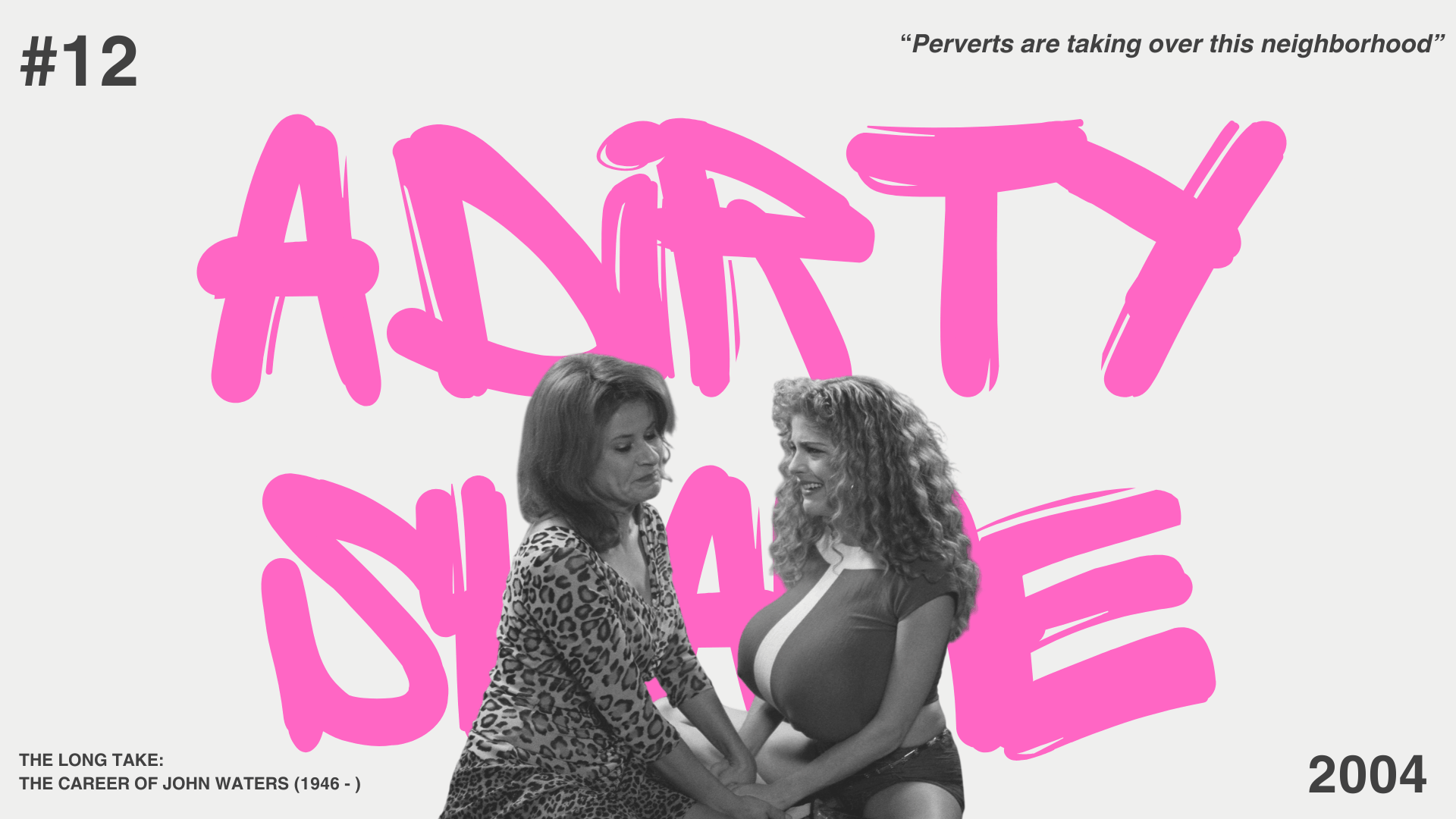
When ranking a director’s work, one has to be in the last position, and unfortunately this happens to be his most recent (and sadly, very likely last) directorial outing. Often seen as one of the least effective of Waters’ films, A Dirty Shame occupies an unusual place in the director’s oeuvre – a late-career return to his truly transgressive roots, revisiting familiar territory (such as pushing boundaries and questioning the status quo through courting outrage), but without quite the same spark that defined his best efforts. It’s by no means a bad film, but rather one that feels imbalanced. Whereas the director once combined shock with sharp satire that was softened by unexpected warmth, these elements feel much less aligned and, frankly, a bit more hollow. It leans too heavily into its outrageous premise, usually at the expense of the wit and charm that made even his most shocking work so engaging. However, it still carries the director’s unmistakable voice, driven by the same sense of subversion and the desire to unsettle in every way possible. Rather than an outright misstep*, A Dirty* Shame feels more like a curious outlier, an imperfect but nonetheless intriguing coda from a truly singular voice.
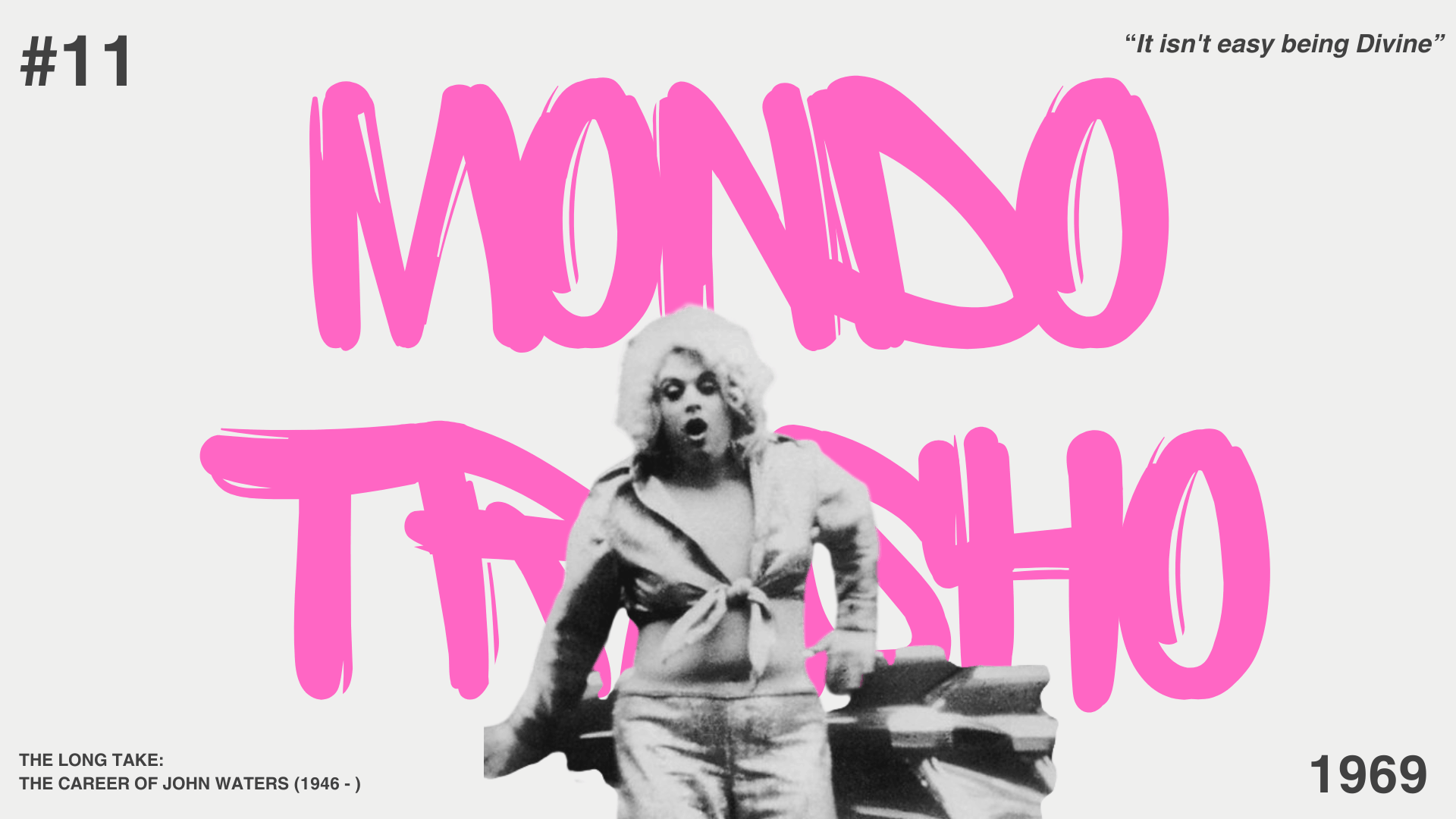
Mondo Trasho is a fitting starting point for Waters’ career, since it captures the director at his most inhibited, revelling in bad taste and gleeful provocation while still paying tribute to the artists that formed him. Long before he became a counterculture icon, Waters was a rambunctious independent filmmaker who embraced his reputation as a “peddler of filth”, crafting a film that defies conventional narrative and instead takes the form of a freewheeling, chaotic descent into the absurd margins of a society he had always embraced. Rough, fragmented and proudly unpolished, the film thrives on its defiant spirit, using a loose structure and employing shocking imagery that may seem crude, but was all intentional. Waters rejected traditional filmmaking rules in favour of something far more anarchic and personal, flourishing into a work that bewilders as much as it fascinates, being wholeheartedly committed to its deranged vision. Not just a debut, but the blueprint for the next fifty years, Mondo Trasho introduces the themes, collaborators, stylistic flourishes and transgressive energy that would define Waters’ career, announcing a filmmaker determined to shock, amuse and endure.
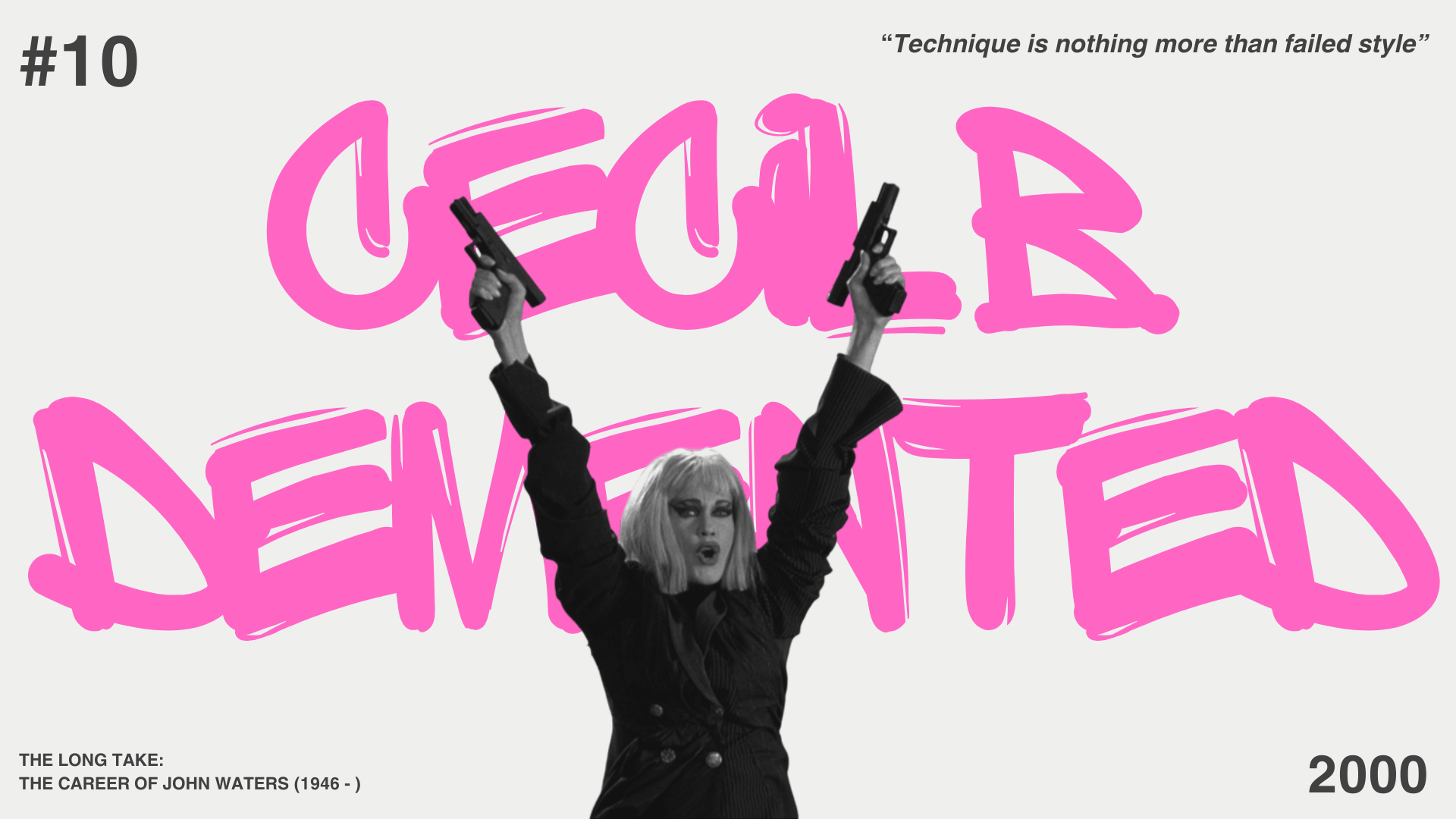
Somehow both a bold departure from his style, as well as a fascinating throwback to his more transgressive era, Cecil B. Demented sees Waters turning his irreverent perspective towards Hollywood itself, one of the only instances where the director explored the film industry as a whole. It is a sharp, self-aware satire of celebrity culture and how it can take on a more sinister form when left unchecked. Divisive yet deeply rewarding, the film blends absurdism with jokes that will appeal to anyone who has even the vaguest working knowledge of the film industry and its machinations. Continuing his technique of blending his usual troupe of collaborators with more established names (in this case a cast led by the never-better Melanie Griffiths), the film finds Waters embracing a new phase of his career without losing his subversive edge, becoming a gleefully deranged, outrageously funny critique of cinema culture and its devotees, skewering the industry and its proponents in equal measure. It may not be his peak, but it is certainly one of the director’s most intriguing experiments.
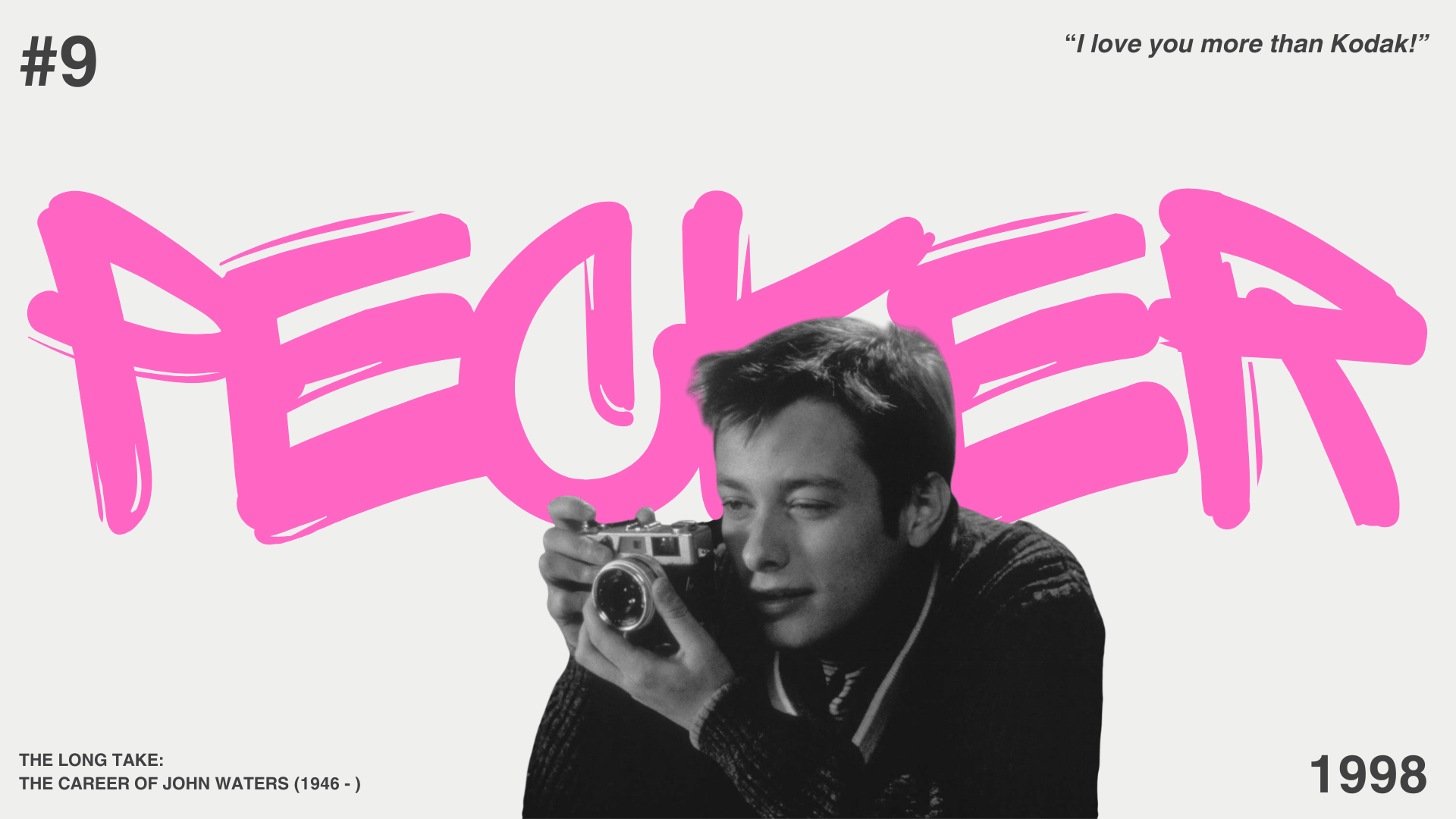
While it may be overshadowed by some of the other films he made during this period, Pecker nonetheless occupies a peculiar place in Waters’ mainstream era. It trades the more provocative extremes of his early years for a lighter, more amiable tone, being more along the lines of Hairspray and Cry-Baby in terms of how it attempted a more genial, pleasant approach. However, we find that there are still traces of the director’s outsider sensibilities, with his approach to exploring the art scene still being quintessentially his own, despite its more cheerful tone, being a quietly revealing entry into his body of work. The film is vaguely autobiographical in the sense that it reflects Waters’ own beginnings as a young artist in Baltimore, particularly his fascination with creativity as an act of rebellion. Rather than leaning fully into satire or shock, Pecker explores the tension between authenticity and acceptance, offering a playful and sincere look at what it means to stay true to one’s own voice. While it may lack the sharper bite or lasting impact of his more celebrated works, the film remains an engaging and essential entry, not necessarily defining Waters’ work, but helping us understand his perspective, showing a softer and more introspective side of a filmmaker more known for gleeful provocation.
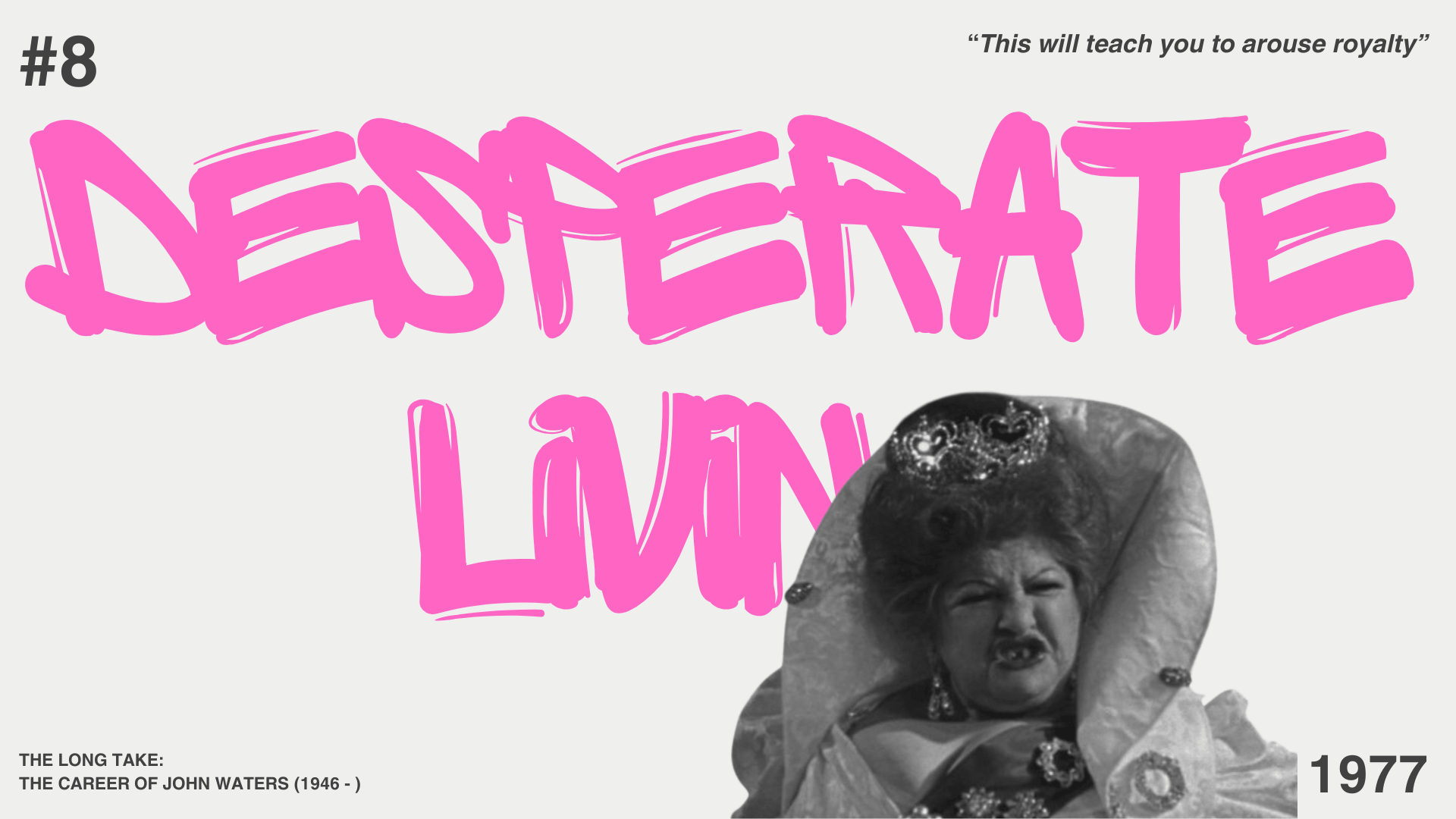
A wildly offbeat and often overlooked entry into his filmography, Desperate Living bridges the gap between the shocking early works and the later, more accessible comedies, without being the complete heel-turn that we’d see a couple of years later. The story of a suburban housewife on the run, finding herself among a community of outcasts ruled by a tyrannical queen, is one of the sharpest and most daring political satires of its era, and one that remains shocking and exciting. Waters blends absurd fantasy with biting social commentary, crafting a chaotic, acidic work that is as repellent as it is strangely endearing. Filled to the brim with his trademark transgression, while also revealing a growing ambition (particularly in how it focuses on a more coherent, conventional narrative structure), Desperate Living is one of the director’s most inventive and compelling works, a gleefully unhinged, darkly funny fairytale that captures both the audacity and unexpected warmth that sits at the heart of his greatest works, standing at the threshold of the films that were soon to entirely redefine his reputation.
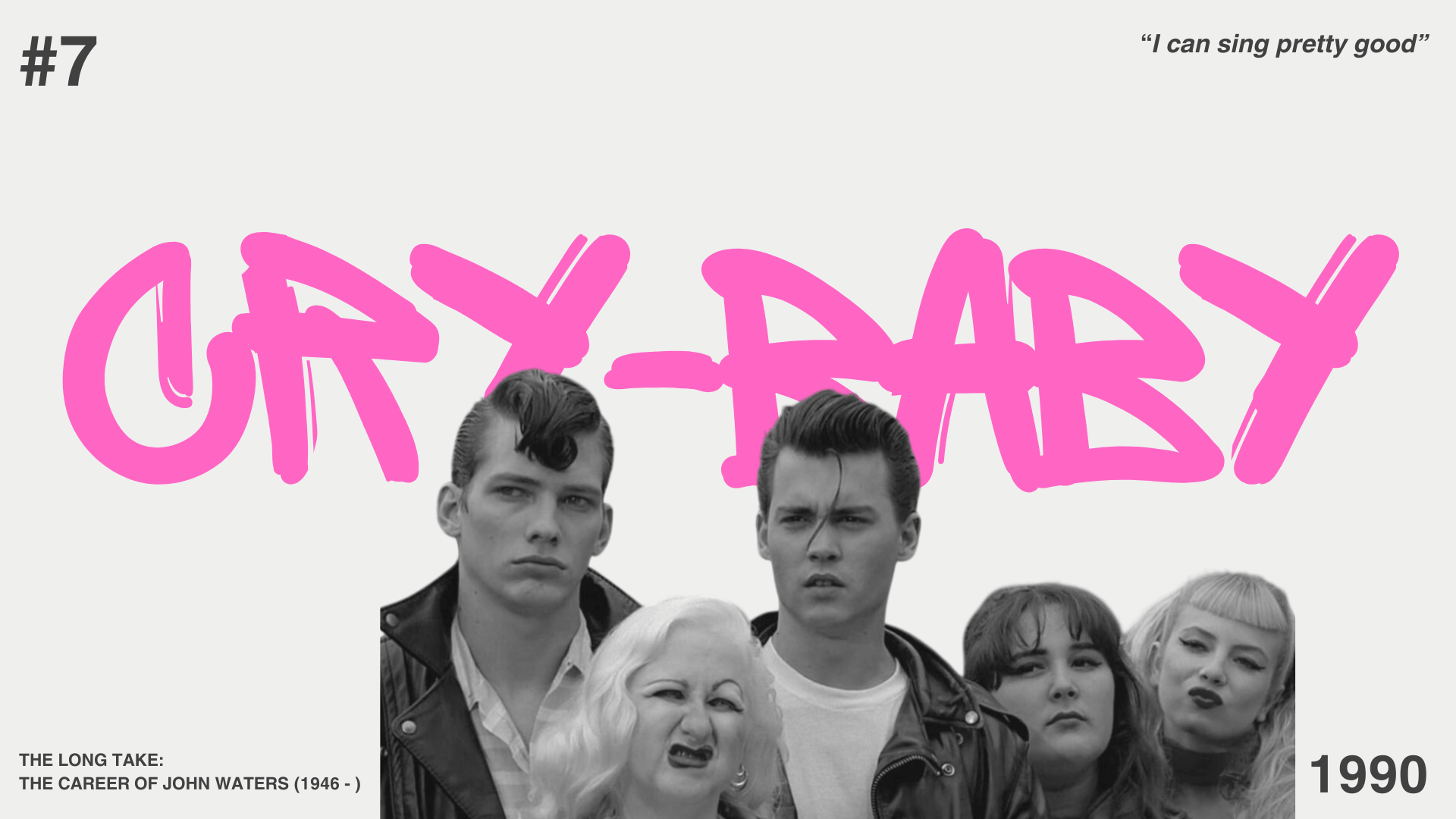
Following his ambitious pivot into the mainstream a few years prior, Cry-Baby finds Waters once again embracing a brighter, more accessible style without losing his mischievous edge. A musical teen comedy set in a version of Baltimore that Waters remembers from his childhood in the 1950s, the film is a raucous teen comedy that reimagines the Romeo and Juliet trope as a romance between rival youth factions, blending nostalgia with biting commentary on the dangers of conformity. Gentler in tone that Waters’ earlier work, but still teeming with the subversive spirit that remains intact, many of the director’s most admirable traits emerge through this playful satire of moral rigidity and the follies of youth, led by a youthful Johnny Depp and supported by a ragtag ensemble plucked from every corner of the entertainment industry – and some from even outside of it, making the film an unmistakable mosaic of personalities. Driven by a happy-go-lucky charm and an infectious energy that is impossible not to adore, Cry-Baby nonetheless still carries the unmistakable imprint of the director’s outsider sensibility and sincere love for the past.
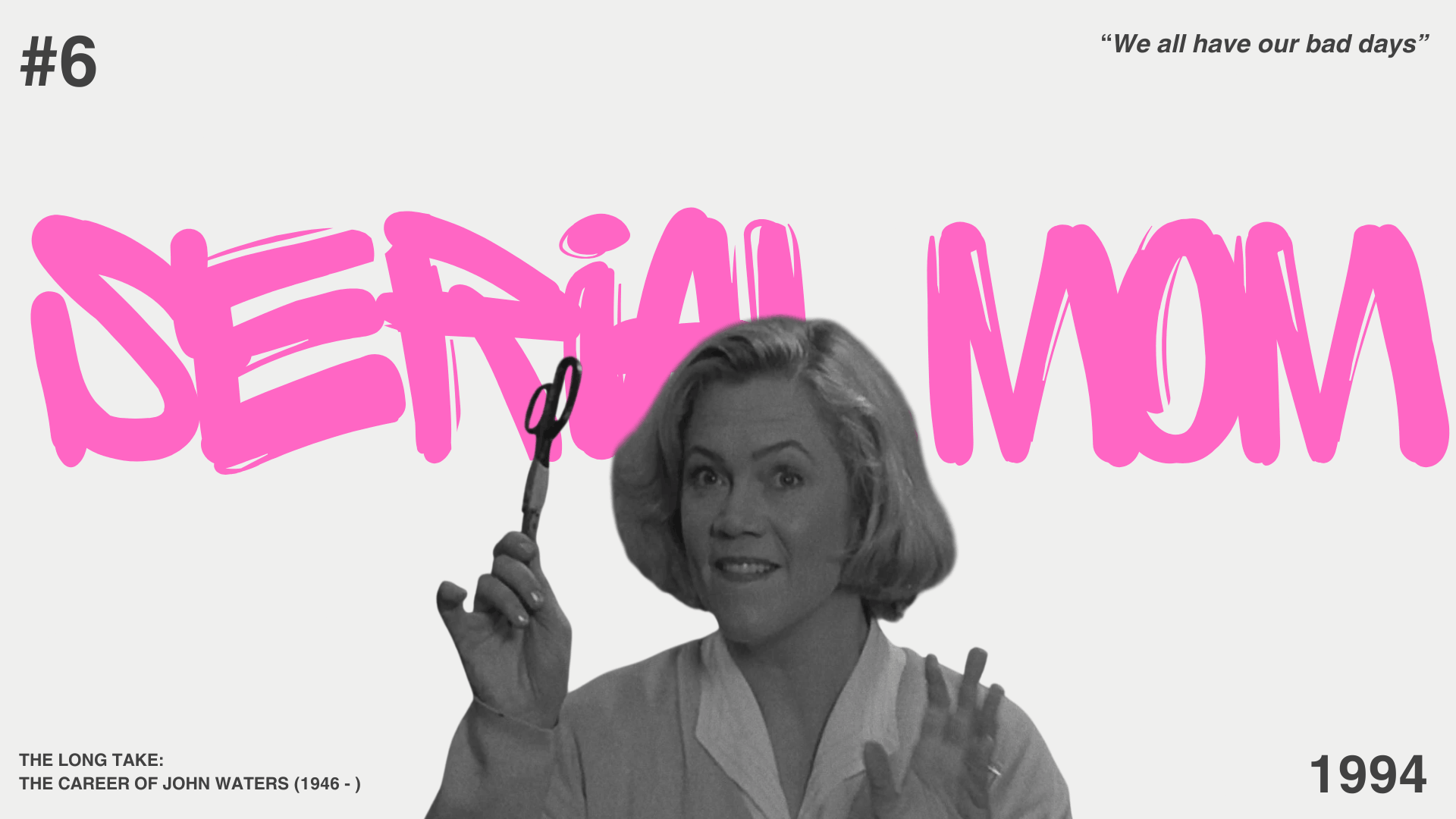
Widely regarded as a high point in Waters’ later career, Serial Mom perfectly captures the director at the intersection of mainstream appeal and subversive ingenuity. By this point, Waters was comfortably attracting major stars, who were intrigued by the prospect of collaborating with a filmmaker who knew how to play to their strengths, while also giving them roles that they were never likely to find elsewhere, solely because no one else was writing these roles in such a way. As a result, we find Kathleen Turner delivering a sensational performance that many consider to be amongst her very best. Her gleefully unhinged turn embodies the film’s deft combination of charm and menace, being perfectly compelling while also having a satirical edge that feels extremely unique. She fits in perfectly with the director’s style, making a meal out of absolutely every line of dialogue and proving that she has some of the most unforgettable screen presence in history, commanding the film in a way that has made this her defining role. Waters constructs a wickedly funny satire that skewers suburban perfection and examines society’s growing fascination with true crime, something that continues to resonate deeply today. The film bridges the director’s underground roots and mainstream success, being a pitch-perfect blend of transgression and off-the-wall wit that remains as relevant as it is hilarious.
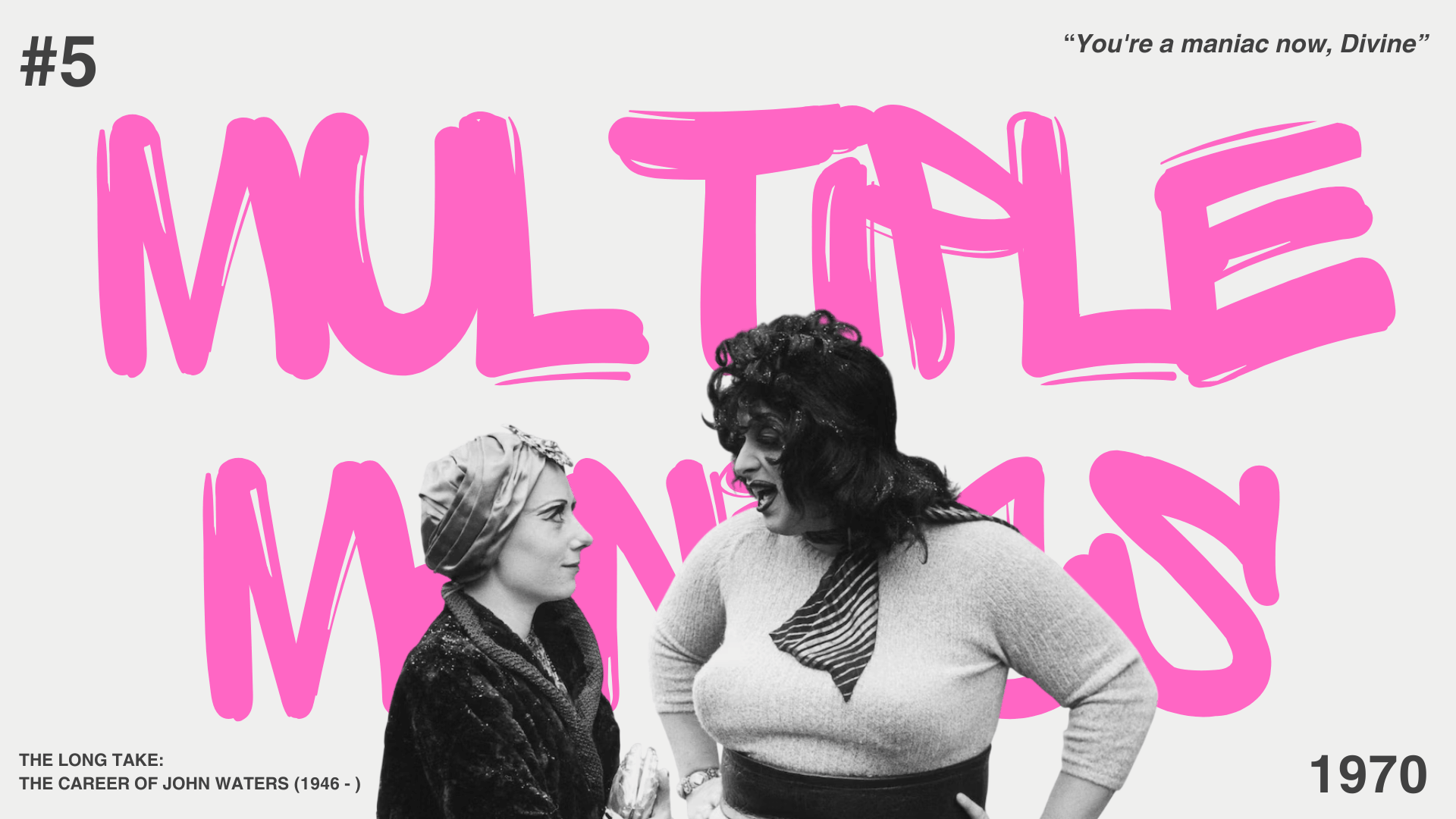
Inspired by the spirit of rebellion that made him fall in love with Tod Browning’s Freaks, Waters embraces cinema as an act of defiance with Multiple Maniacs, his first widely-released film, and one that kick-started his iconoclastic career. Raw, confrontational and gleefully unrestrained, the film stands as one of the clearest, most unambiguous expressions of his early artistic ethos, namely that of filmmaking not as polished storytelling, but rather as an act of pure, anarchic provocation. It may seem like a cult oddity at first, but the film is a key artefact in the underground movement, capturing a moment when artists rejected convention in favour of total creative freedom. Waters channels that energy into something deliberately abrasive yet oddly magnetic, using shock not as the only propellant, but rather as a way to challenge authority, taste and the confines of cinema as a whole. Anchored by his regular collaborators, Multiple Maniacs is a stream-of-consciousness trash epic that solidifies the themes and sensibilities that would define his career, remaining one of his most fearless, formative statements on the craft, driven by a direct intent on reshaping the rules by tearing them apart at the seams.
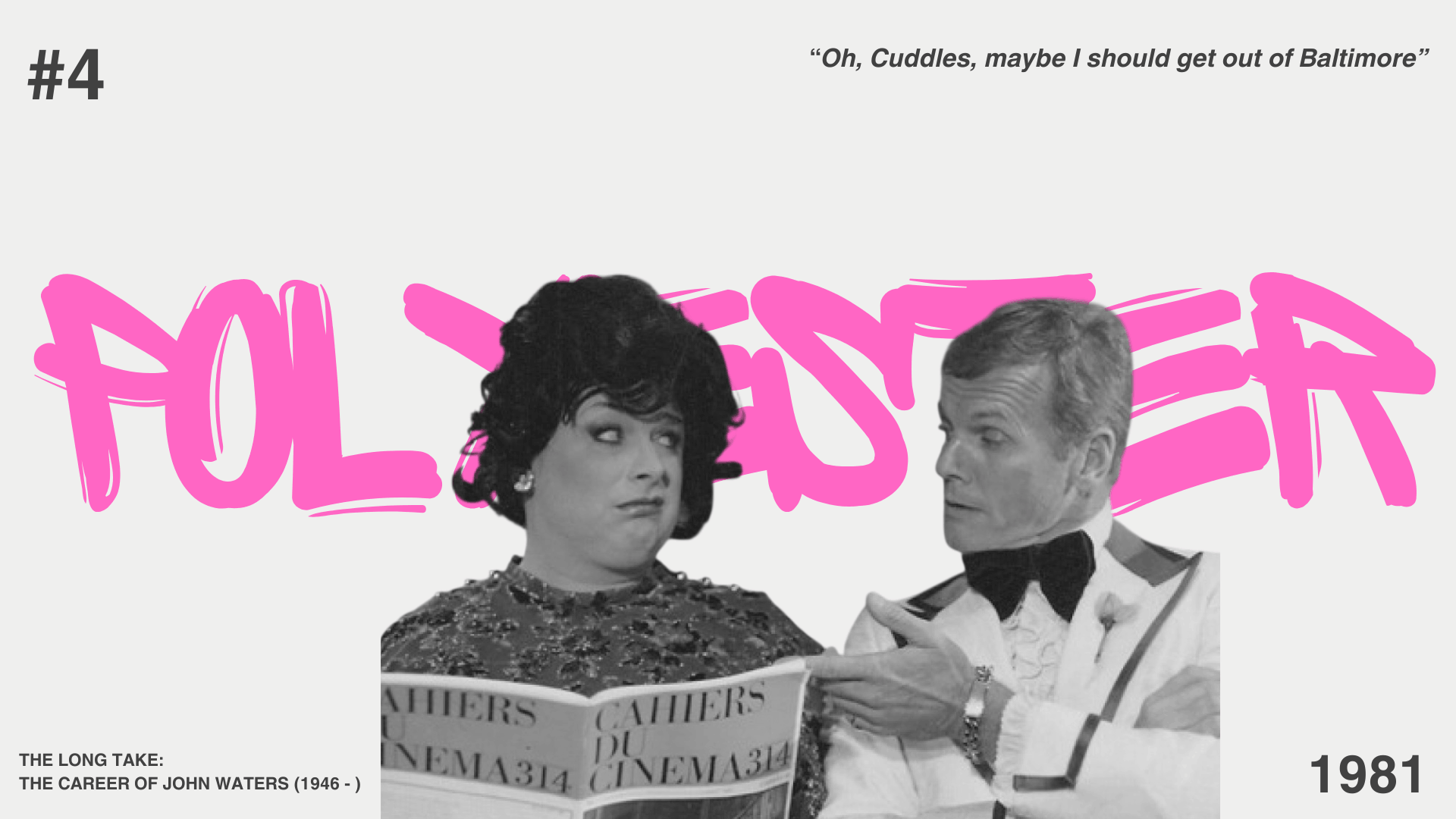
The precise moment Waters went from reviled provocateur to someone whom the public was starting to accept can be found in Polyester, which is positioned between his transgressive early works and his later mainstream success. This film captures the director during this moment of transition, retaining his fascination with suburban dysfunction and the darker side of American life while softening some of the more confrontational edges. It leans into character and satire more than simply the shock value, resulting in something restrained but no less unique. The film contains Divine’s greatest performance, with the iconic actor being given more room than ever to showcase his depth and nuance, going beyond the outrageous personas that defined this earlier collaborations, while also having exceptional chemistry with the supporting players, which include the adorable Edith Massey and a never-better Tab Hunter, who is a flawless addition to Waters’ regular stable of collaborators. While it may not have the same anarchic bite as the works that preceded it, Polyester remains a compelling experiment, an offbeat satire that trades raw audacity for something more refined, being less explosive but unmistakably the work of someone committed wholeheartedly to challenging the status quo, even when working with something slightly more subdued.
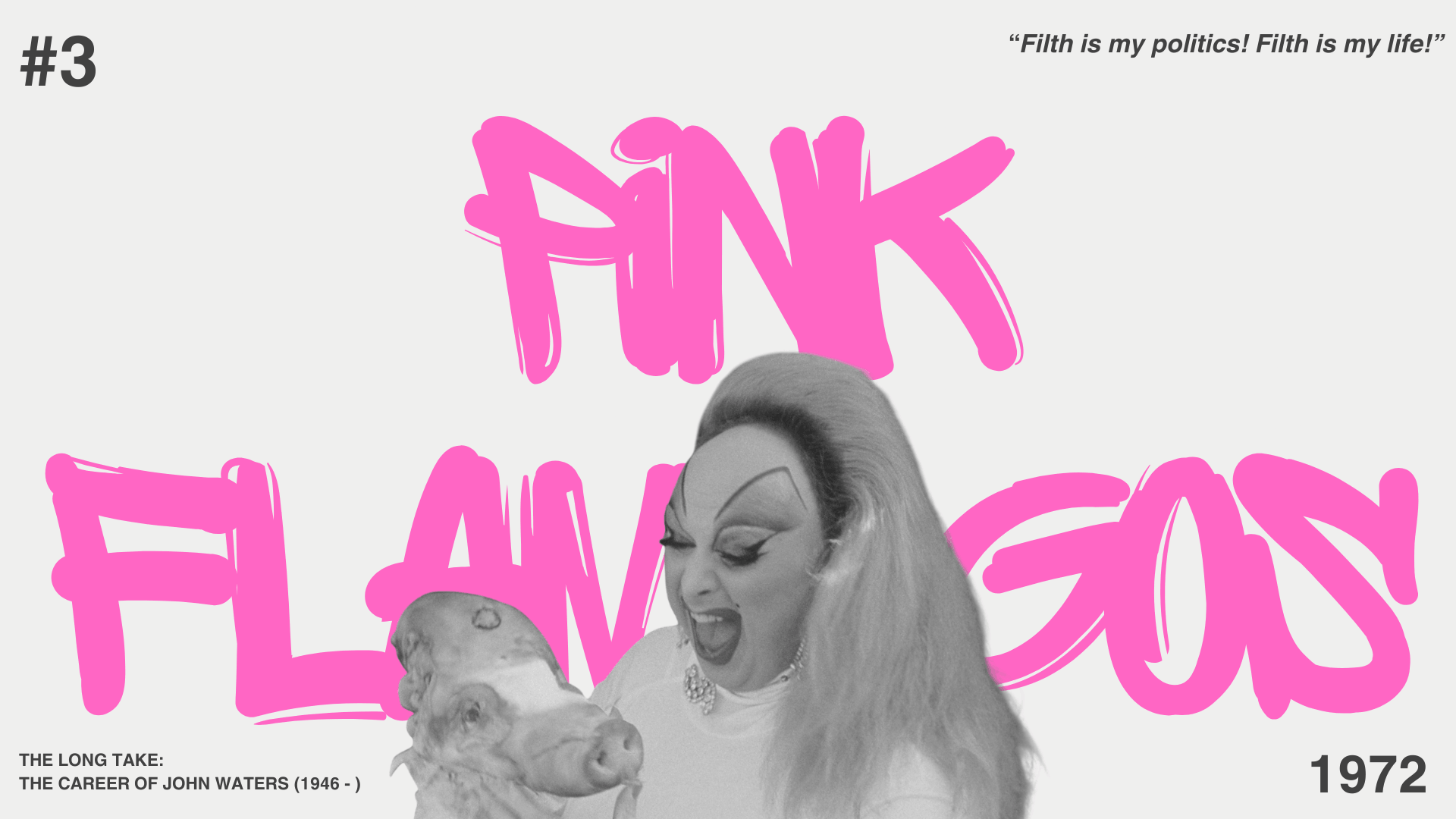
Few films hold as much notoriety or cultural weight as Pink Flamingos, which even Waters himself readily admits is amongst the most controversial films ever made. More than just a cult classic, it stands as the defining statement of his career, a gleefully confrontational work that doesn’t merely test boundaries, but obliterates them entirely. Its reputation has only grown over time, transforming it into a film that has developed a folkloric reputation: embraced by those brave enough to venture into its shocking recesses, whispered about by those who aren’t quite as fearless. It’s a rite of passage for adventurous viewers, and it remains provocative to this day. However, its enduring power lies not only in the shock value but also in its sheer conviction. Waters treats bad taste as an artistic language, using excess and provocation with a purpose, refusing to just position this as a novelty film. Beneath the outrageous surface lies a subversive wit and a deliberate challenge to social norms. Divine’s performance is a cornerstone of counterculture cinema that not only defined this era of cult cinema but also contributed to the ongoing celebration of outsiders. Pink Flamingos is a singular work, the kind of audacious, anarchic cinematic landscape that reshaped underground film and continues to fascinate, repel and inspire in equal measure.
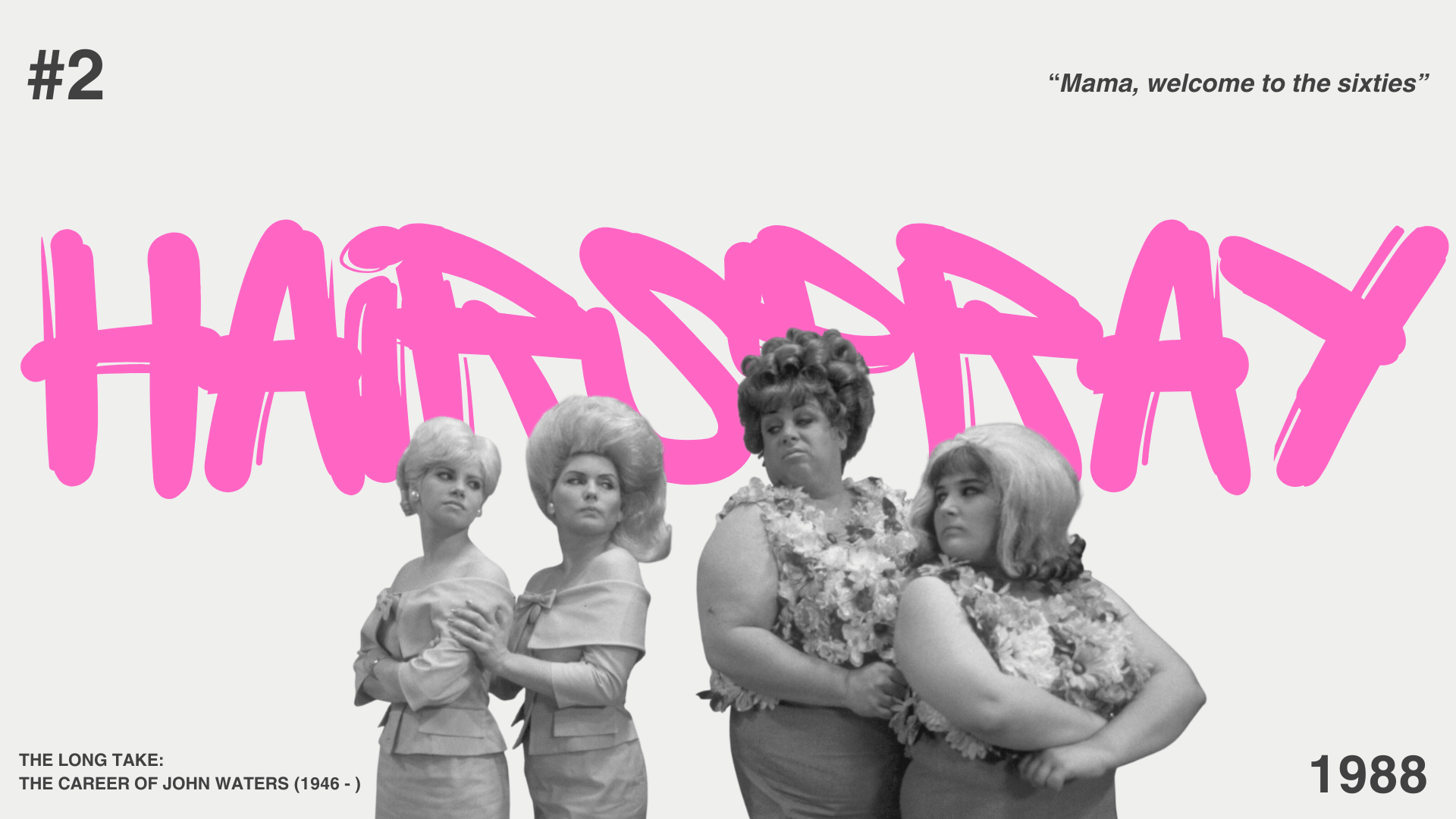
Hairspray has become so embedded in popular culture through multiple stage and screen adaptations, we tend to focus on what it is rather than where it began – a deeply personal, quietly radical film from Waters, who considers this his most transgressive film based on how it essentially brought him into the living rooms of every family. Beneath its bright colours and infectious energy lies a strong current of nostalgia, with the director looking fondly at the Baltimore of his adolescence in the 1960s, recreating a world shaped by community, music and youthful rebellion. Despite its more upbeat and acceptable nature, the film feels less like a concession to mainstream tastes and more like a loving tribute to the environment that formed him. This warmth and charm don’t come at the expense of his subversive instincts, which only makes the fact that so many people (many of whom would have very likely condemned the director based on his earlier works) embraced this film so much more satisfying. By packaging his revolutionary vision into an accessible, family-friendly format, Waters infiltrates the very audiences who once rejected him, smuggling his whip-smart, subversive satire beneath the surface of a mainstream comedy, resulting in a film that balances sincerity with quiet rebellion, a nostalgic crowd-pleaser that is, in its own way, Waters’ most daring film.
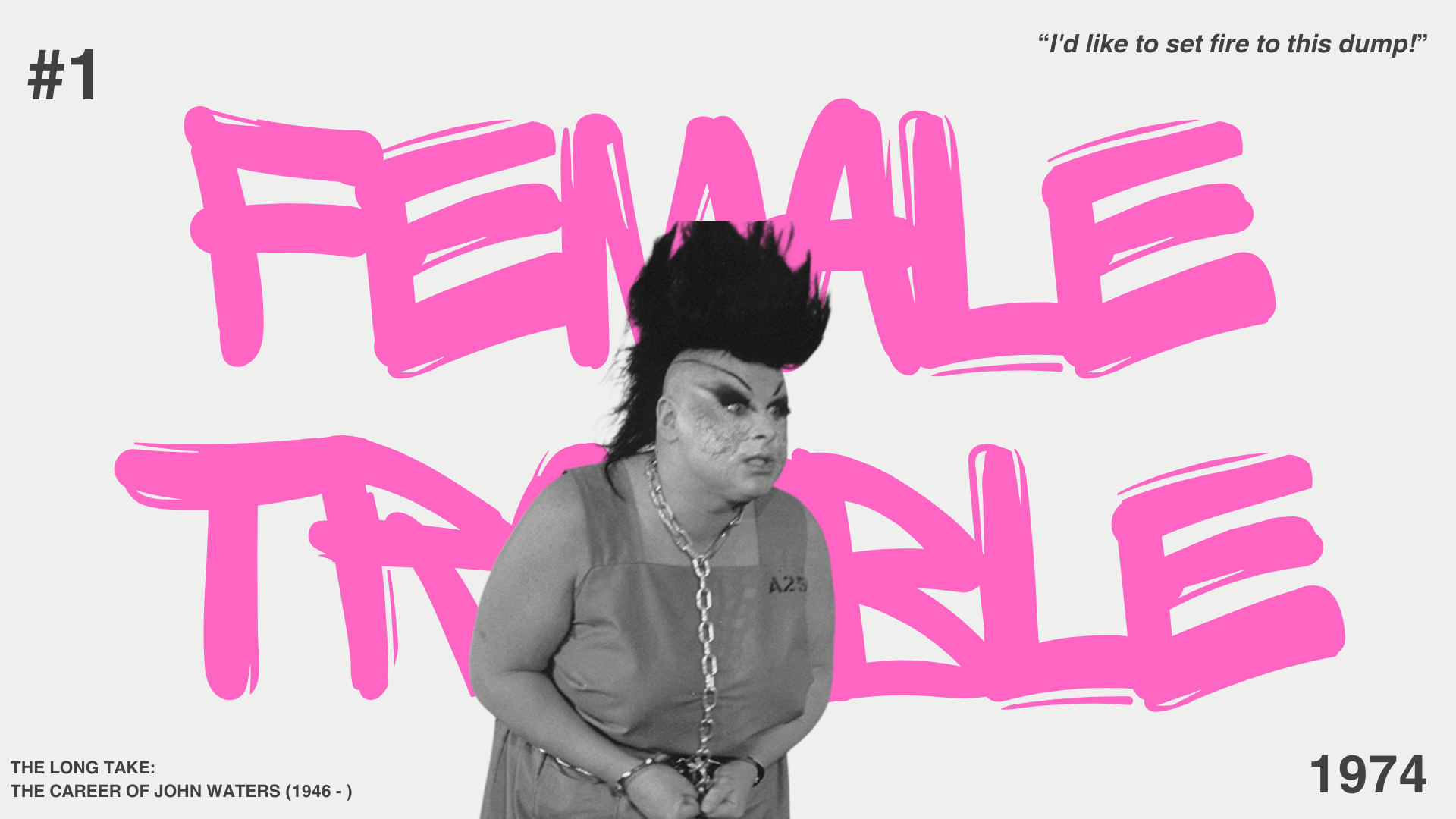
Female Trouble feels like the moment Waters became the director we adore today. It may have emerged in the aftermath of Pink Flamingos, which will always be his most famous film (and for good reason), but this feels like it is the most complete and thorough exemplification of his work as a filmmaker and artistic provocateur. This is where Waters not only attempted to shock audiences, but also filter in his ideas about fame, filth and celebrity culture, which truly start to take shape with this film. The story of Dawn Davenport’s deranged rise to notoriety is the director at his most delightfully subversive and demented, becoming a grotesque, excessive and frankly uncomfortable dark comedy that puts the audience through the emotional wringer in an effort to challenge our perspective. The director isn’t trying to shock the audience just for the sake of it, but rather building a warped satire of a culture obsessed with attention, even if it means redefining the status quo. Divine delivers a fearless, transformative performance that proves that he was more than just a counterculture curio, but rather a generational talent like no other. It doesn’t have the polish that would come with later works, but its ramshackle charm and rough edges are part of the experience, being a raw examination of the human condition by way of one of its most fervent observers. It captures a director as his most uncompromising, encapsulating exactly why Waters matters to us as an artistic voice: he forces audiences to feel something, even if that feeling is disgust and despair. He turns bad taste into something defiantly, provocatively and beautifully artistic, a skill that should never be taken for granted, proving precisely why he is one of the most important artists of his or any generation.
Having said all of that, I leave you with one final question: has John Waters finally become respectable, or was he always a legitimate artist who was simply misunderstood? My position is clear, but it has always been a joy to see new people come to the realisation that, beyond any reasonable doubt, the latter is applicable. The reality is that, as revered as he may be, Waters is still somewhat divisive, and he continues to court controversy. The only difference is that he’s doing it from within – he’s achieved respectability, but rather than stepping into the mainstream through sacrificing his morals, he chooses instead to do the opposite, standing his ground and digging his heels into his own peculiar brand of off-kilter artistry, the industry had no choice but to move towards him, since he most certainly was not interested in adapting to their demands. It’s one of the most inspirational examples of a filmmaker who marches to the beat of his own drum so consistently that there remains no alternative other than for public opinion to shift in his favour.
Yet, despite his reputation improving and his status as the proverbial “Filth Elder” of contemporary Hollywood would suggest, Waters remains a polarising figure, continuing to ruffle the feathers of those who don’t quite understand his brilliance – and it is all solely because he was able to survive long enough in an industry where such original voices are either silenced by time, or forced to adapt. Yet, his willingness to stick around has inadvertently given voice to entire generations of artists – without Waters and his devil-may-care approach to filmmaking, we’d likely not see artists such as Gregg Araki, Todd Solondz, John Cameron Mitchell or Gaspar Noé (all of whom have ascended to a place of near-equal respectability), or those who are still forming their voices, like Jane Schoenbrun and Joel Potrykus, whose own flirtations with artistic transgression and the pushing of boundaries are the result of Waters’ own approach to filmmaking. At the age of eighty, Waters is enjoying much more respect and admiration (and he certainly has been reciprocating it, despite his efforts to make another film constantly failing as a result of financing issues), and remains one of our true artistic innovators, someone who we can look towards for both inspirational wisdom and wacky, off-the-wall originality that has made him truly one of the most important and unforgettable artists to have ever worked in this medium.

