Every year when putting together my list of the best films of the past twelve months, I attempt to find one cohesive theme that connects them all – a quote, a song or even an abstract concept, anything that can bind together what always ends up being a very dynamic and often wickedly offbeat year for the medium. In 2025, we celebrated the centenary of Elaine Stritch, quite simply the greatest Broadway performer of her generation, and a cultural icon like no other. She left us over a decade ago, but her legacy remains relevant – and it was during those celebrations of her life that I revisited her iconic performance of “I’m Still Here” from Follies, a song that was not written for her, nor did she originate the role, but which has nonetheless come to be seen as her official anthem. This song has many interpretations, but something that has resonated with audiences for decades – especially when sung by Stritch – is the idea of resilience. The world changes, people come and go, and nothing is predictable. Yet, through all of it, we are all still here. Cinema reflected this beautifully over the past year, with the idea of community, family and friendship (all frequent motifs used by filmmakers to create relatable stories) being extremely relevant, even when it sometimes proves to be concealed under more abstract layers. It’s the reason this past year, one of the most tumultuous if we look beyond just the arts and focus on the real-world events, has been so challenging, while also containing many important lessons about
If we have to reduce it to a single word, the past year in cinema has defined the idea of endurance. We have seen films that echo the defiant pulse of “I’m Still Here” in the sense that they’re all about the idea of passing through chaos and disaster through a blend of embracing memories of the past and the unbearable weight of history, while also undergoing the act of reinvention in many ways. Last year was one that I defined through the word “transformation”, and this still carries over, albeit in a different work here. The characters in many of these films are engaged in changing themselves – whether physically, psychologically or philosophically- in an effort to embrace the challenges that lie ahead, doing what they can to not only survive, but also thrive. These are stories inhabited by both victors and ghosts, people shaped by a changing world, which is being altered by the march of time, whether through political and personal upheaval, or changes that are slightly more difficult to define. In the process, we end up asking many questions: how do we persist with the past while moving forward? How do we handle the weight of history? What value is there in embracing fragile intimacy as we look back? These are stories that take place in both recognisable locations and in more liminal spaces, ranging from the dreamlike to the terrifying. Some are joyful and playfully subversive, others are more harrowing and disquieting. Many of these carry the undercurrent of moving forward regardless of the obstacles, and how survival can often be a collective act in addition to a personal one. As Stritch’s voice bellows out the words “I’m still here”, these films feel like memorable dispatches from people who have weathered various storms – both in terms of the characters and the artists who created them – turning memory, loss and transformation into proof of life and evidence of the value of endurance.
Having said that, without any further ado, here is the list of the films that best represented the past year in cinema:
Honourable Mentions:
Cover-Up (Laura Poitras and Mark Obenhaus)
Father Mother Sister Brother (Jim Jarmusch)
Peter Hujar’s Day (Ira Sachs)
Remake (Ross McElwee)
Sinners (Ryan Coogler)
Straight Circle (Oscar Hudson)
Strange River (Jaume Claret Muxart)
The Best Films of 2025
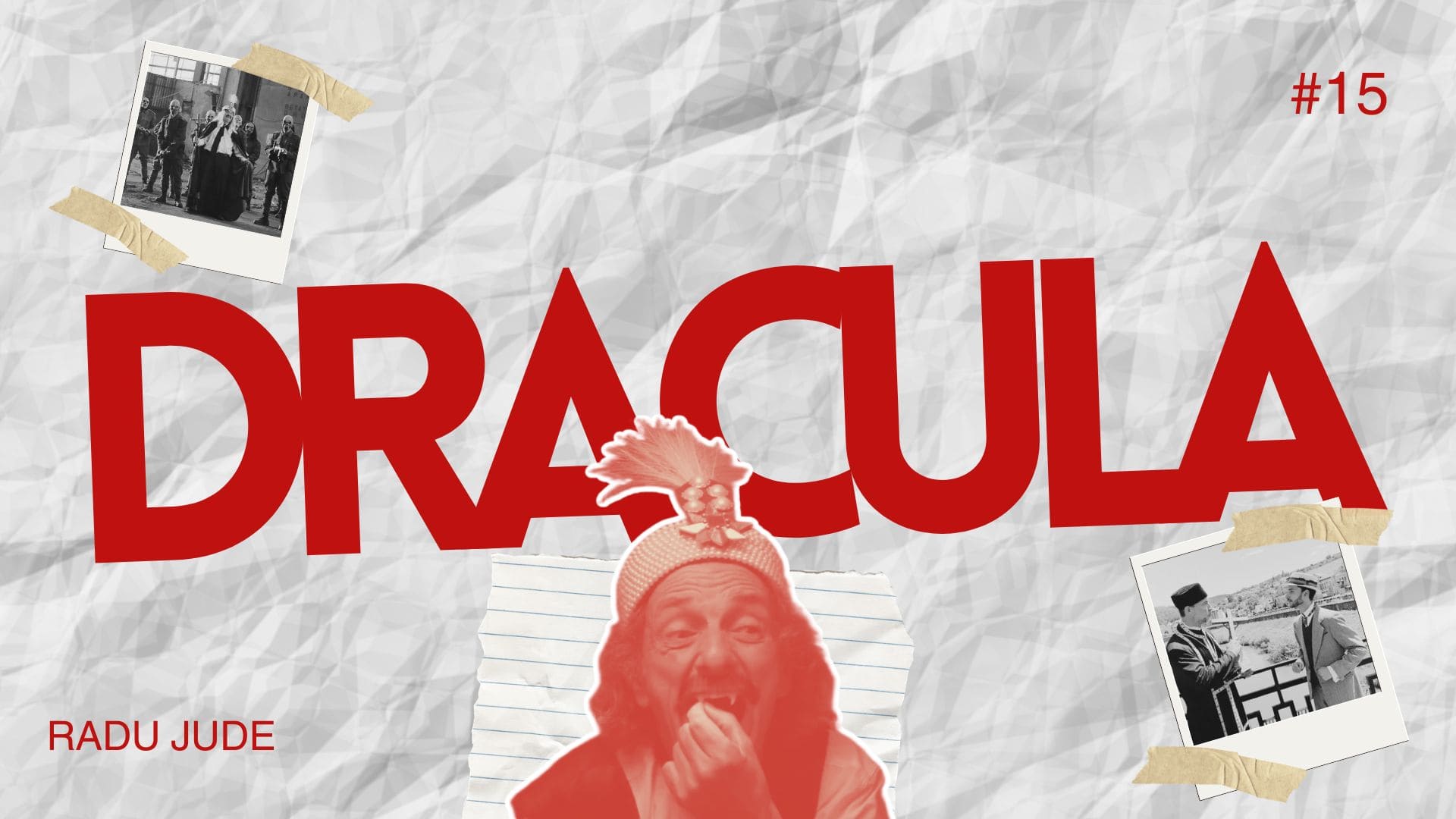
Radu Jude, one of the most exciting filmmakers working today, takes the endlessly recycled myth of Dracula and gleefully dismantles it in his own way. Less an adaptation than a sprawling provocation, the film examines why this story and the figure loosely inspired by Vlad the Impaler still dominate the collective global imagination and remain so incredibly important as a cultural touchstone. Jumping between satire, history, and outright absurdity, Jude skewers vampire tourism, artistic reverence, and the strange ways Transylvania has been packaged for global consumption in what proves to be an incredibly offbeat indictment of contemporary culture. The result is a deliberately jagged three-hour collage, one that is wickedly funny, frequently unhinged, and packed with ideas. As always, Jude doesn’t push boundaries so much as ignore them entirely, which is why he remains one of the most essential voices in modern cinema.
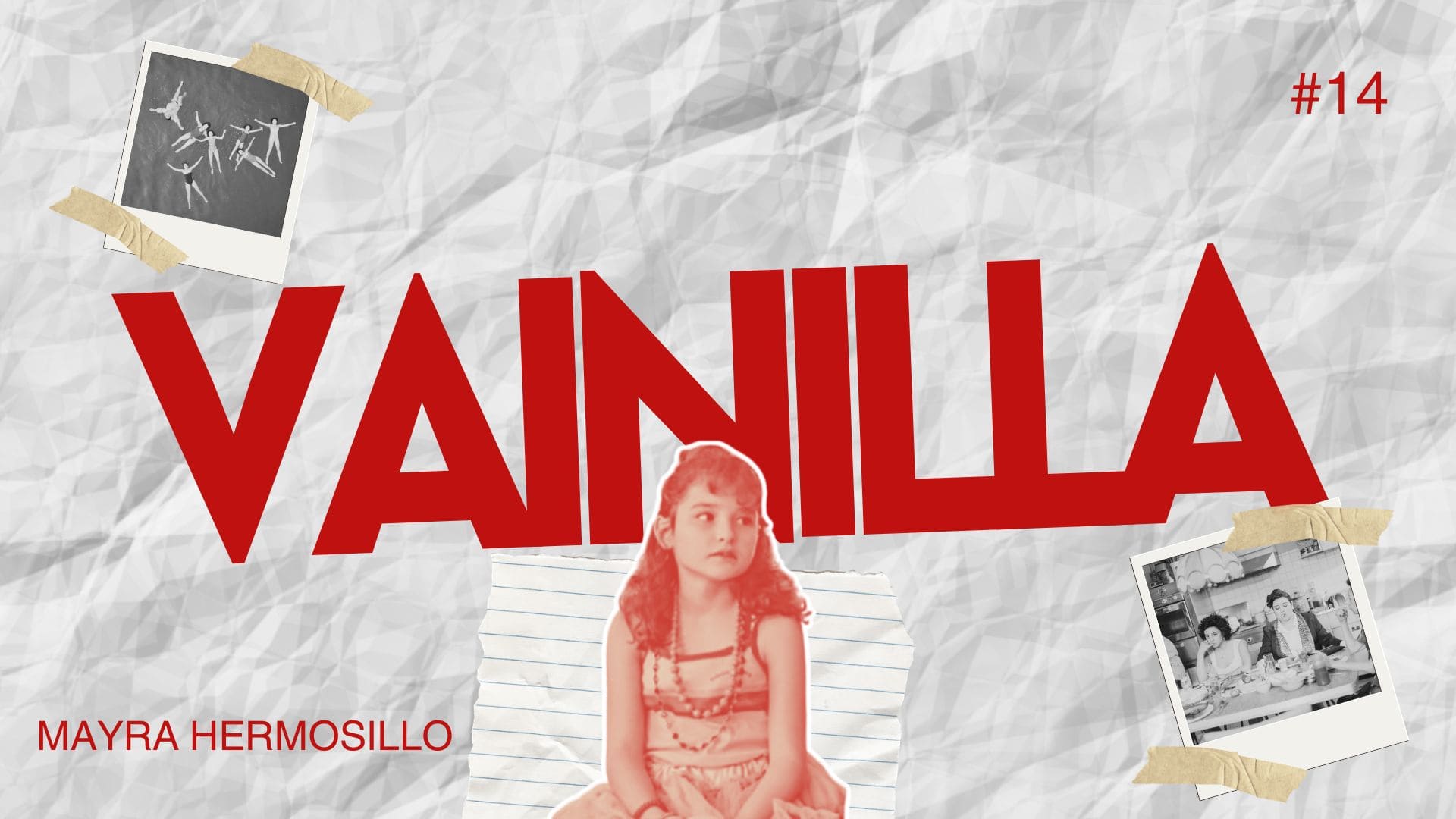
Growing up isn’t always gentle, but it can be quietly transformative, which is a truth at the heart of Vainilla, Mayra Hermosillo’s exquisite debut. Set in northern Mexico in the early 1990s, the film follows eight-year-old Roberta, a curious and imaginative child navigating life in a cramped home shared by three generations of women as financial hardship threatens to pull the family apart. What begins like a familiar coming-of-age story gradually reveals itself as something more intimate and distinctive. Through Roberta’s wide-eyed perspective, Hermosillo explores the fragile balance between childhood wonder and adult anxiety, watching as these women support each other through small triumphs and looming setbacks. Rather than relying on heavy plotting, Vainilla thrives on moments: conversations around the kitchen table, bursts of humour amid uncertainty, and the gentle rhythms of everyday life. Warm, sincere, and beautifully observed, it’s a tender portrait of family and resilience and a remarkably confident debut from a filmmaker worth watching.
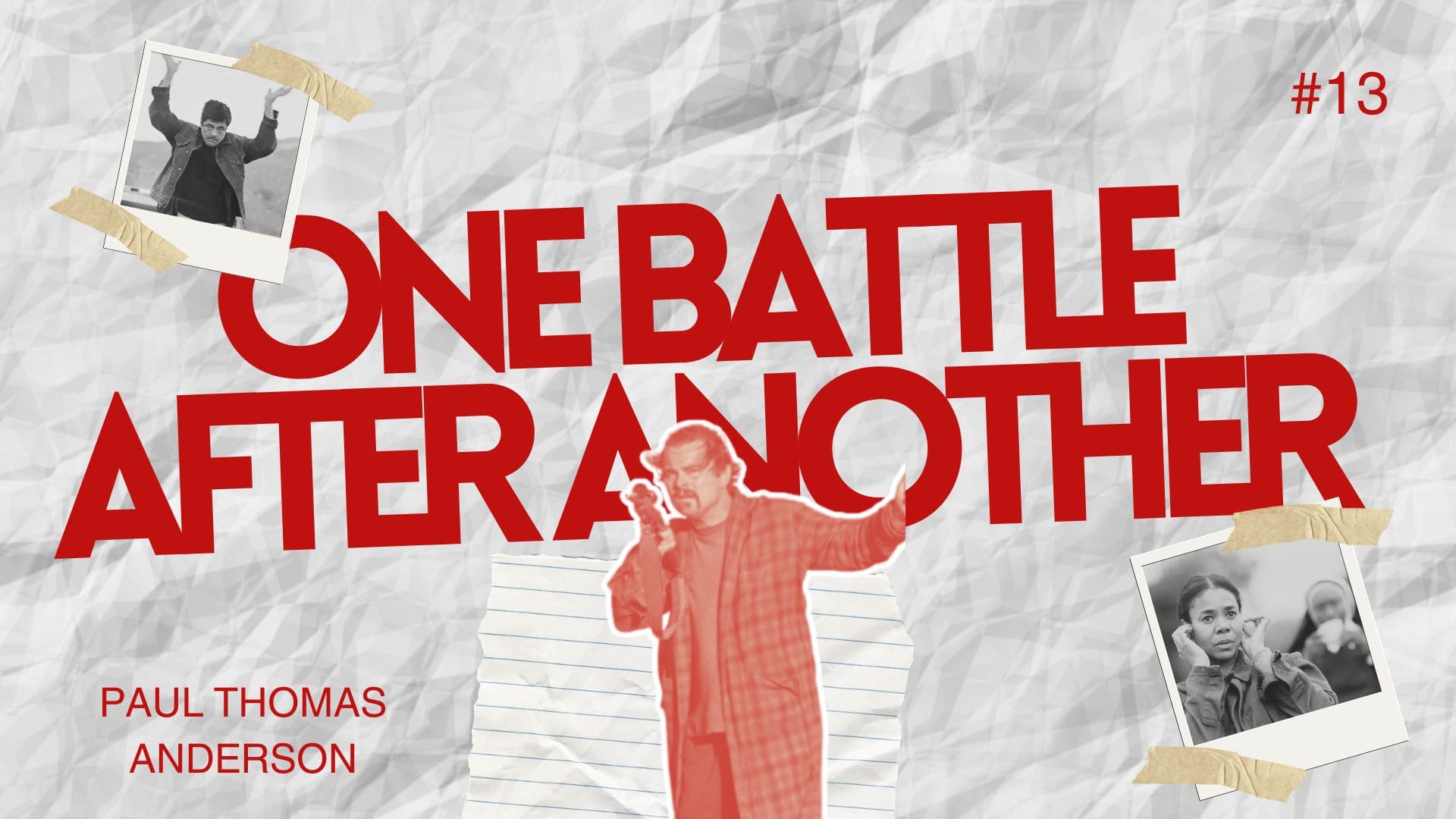
After two decades spent wandering through the past, Paul Thomas Anderson returns to the present (or something resembling it) with One Battle After Another, a sprawling, ferociously funny political satire loosely inspired by Vineland, one of Thomas Pynchon’s most innovative novels. Rather than a straightforward adaptation, the film plays like a free-form collision of ideas Anderson has been circling for years, such as American paranoia, the slippery nature of truth, the strange theatricality of modern politics, and the uneasy feeling that the country has wandered into something it may not fully understand. It’s part conspiracy thriller, part absurdist comedy, drawing clear inspiration from pulpy 1970s paranoia cinema while constantly veering into stranger territory, becoming something entirely bespoke. Yet for all the ideological chaos and wild humour, the film’s emotional centre is surprisingly simple, a deeply felt story about family, loyalty, and the stubborn instinct to protect the people we love when the world starts to lose its mind. Bold, unruly and wildly entertaining, it feels like Anderson letting every one of his instincts run free, taking the director into what seems to be an entirely new stage of his already incredible career.
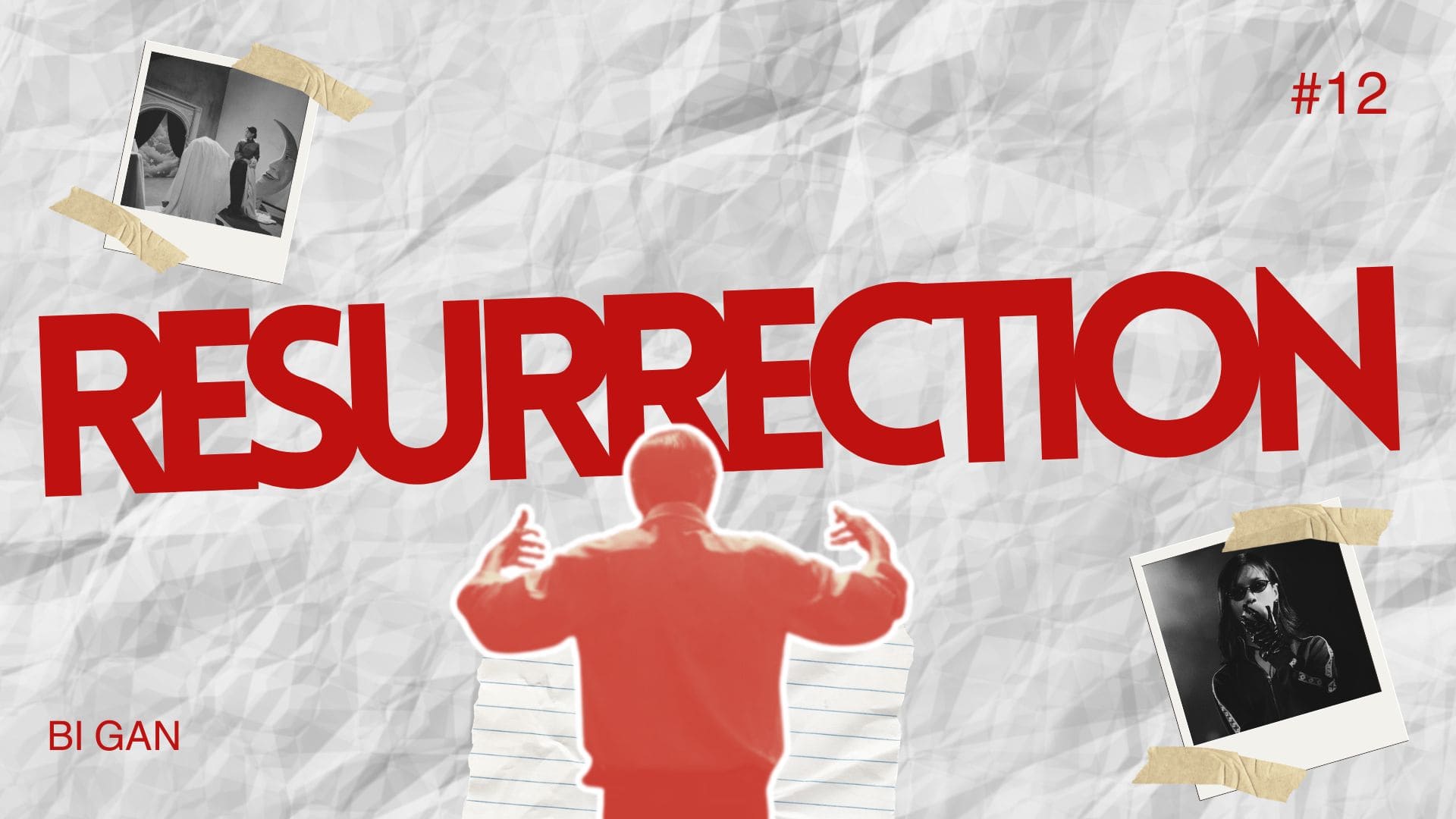
How do you describe a film that seems actively determined to avoid explanation? With Resurrection, Bi Gan once again proves himself both a visionary and a provocateur, crafting a sprawling odyssey that feels less like a story than a voyage through the subconscious, being both dreamlike and uncanny in ways that resist explanation or definition. The loose premise, which takes place in a world where dreaming has been outlawed, and focuses on a mysterious woman who enters the minds of the few who still do, quickly dissolves into something far stranger, a series of hypnotic, sensory-driven vignettes that explore memory, emotion, and the unhinged nature of existence itself. Bi weaves together echoes of filmmakers like Andrei Tarkovsky, Orson Welles, and Wong Kar-wai without ever feeling derivative or overly fawning, building a film that plays like a living museum of cinema while still feeling utterly original. Plot is almost beside the point, since Resurrection is about sensation, texture, and the strange beauty of not quite understanding what you’re seeing, and embracing the confusion. Frustrating, intoxicating, and undeniably audacious, it’s the work of a filmmaker who believes mystery isn’t a flaw in art, but instead its entire purpose.
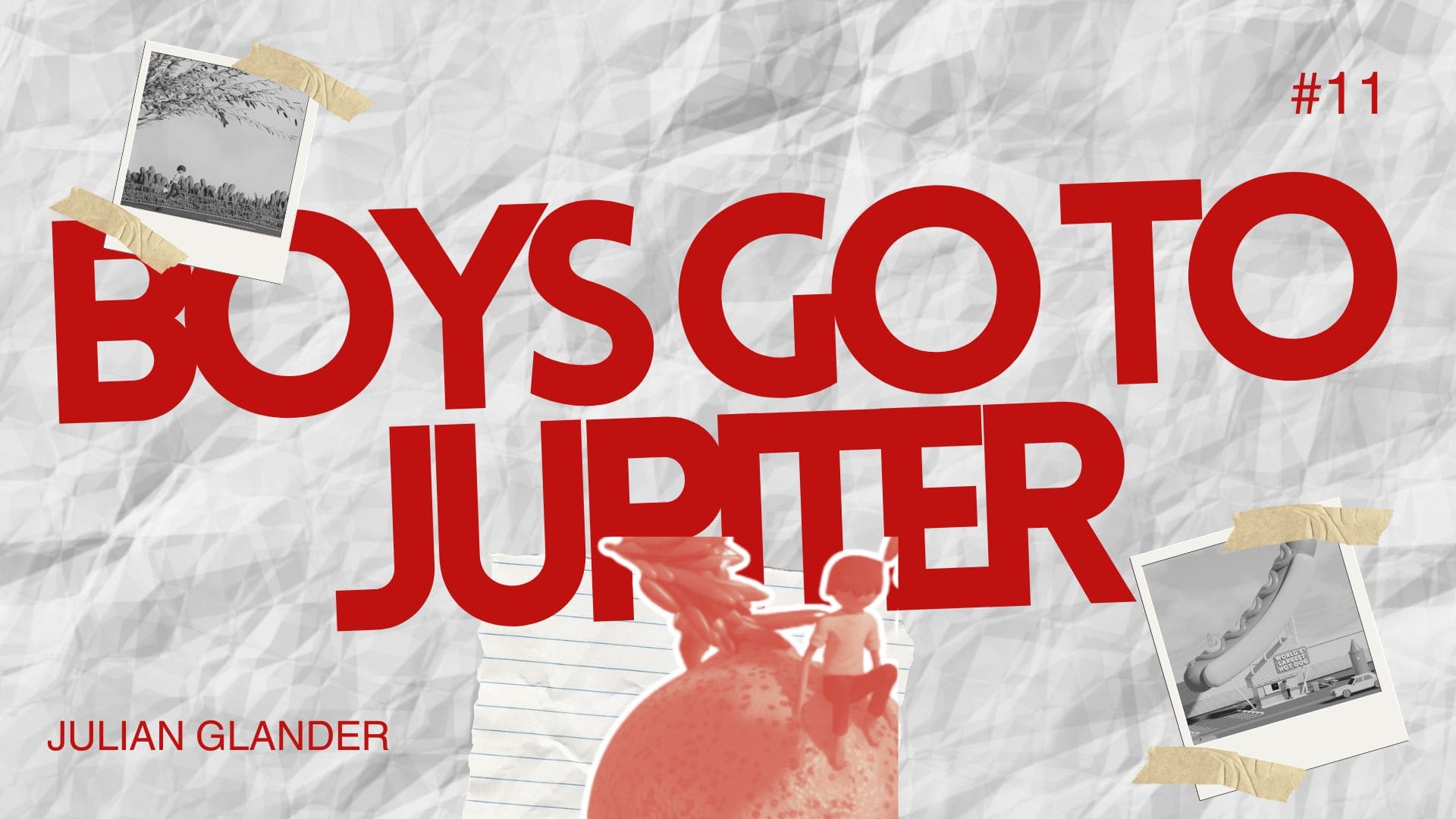
Growing up is messy, confusing, and usually far less glamorous than the movies suggest, which is precisely what makes Boys Go to Jupiter feel so refreshingly original. In his remarkable debut, Julian Glander crafts a film that follows Billy 5000, a quietly awkward teenager spending his Christmas break delivering food around a sun-bleached Florida neighbourhood while trying to scrape together enough money to start an independent life. The premise is simple, but the film gradually reveals something richer, a wandering odyssey contained in a single day, following the protagonist as he navigates the strange limbo between adolescence and adulthood, where nothing quite makes sense, and every small encounter seems to be layered with meaning. The director fills the film with eccentric characters, deadpan humour, and a deceptively gentle emotional undercurrent, letting Billy drift through conversations, crushes, and minor disasters that slowly reshape how he sees the world. The animation is deliberately simple but full of personality, and the tone lands somewhere between melancholy and absurdity, an unexpected but welcome combination. It’s funny, oddly moving, and completely distinctive, feeling like the kind of debut that immediately announces a filmmaker with a voice of his own and someone absolutely worth watching.
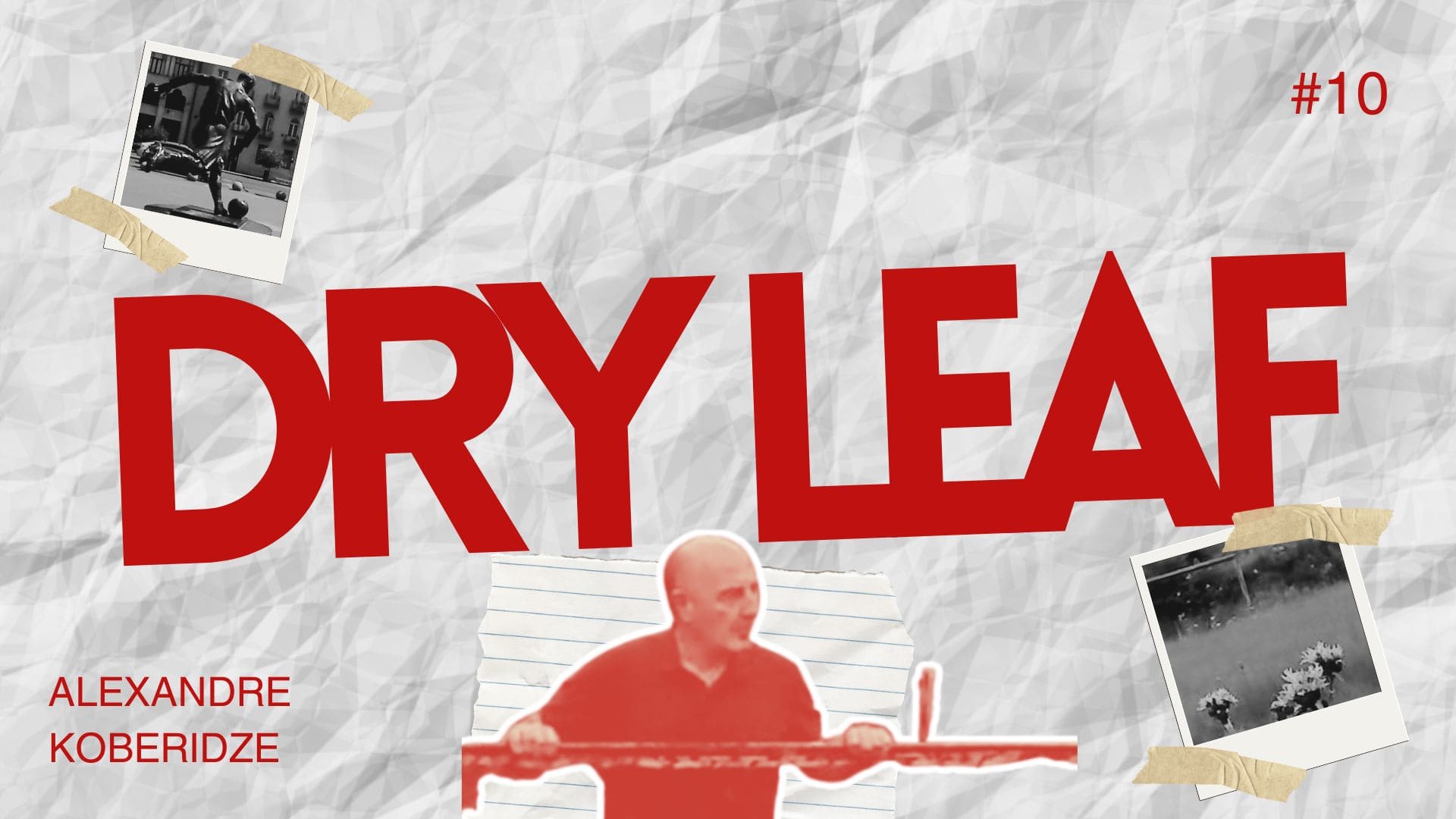
There’s a quiet, lingering sense of motion and possibility that acts as the thread through Alexandre Koberidze’s Dry Leaf, a film that feels both impossibly fragile and radically alive, a daring and provocative work from one of our greatest living experimental filmmakers. Shot entirely on a mobile phone last produced over a decade ago, it turns washed-out, pixelated images into a meditation on memory, time, and the impermanence of life. This is a story where landscapes, empty football fields, and fleeting encounters carry weight beyond explanation, but echo the deepest recesses of the human soul. Koberidze trusts the power of ambiguity, letting rhythm, texture, and atmosphere shape our experience, and in doing so crafts a world where stillness and drift are equally potent. Every frame hums with a melancholic buoyancy, a sense of wonder at ordinary life stretched into extraordinary perception. The film doesn’t offer answers or closure, and its beauty lies in motion itself, in the quiet unfolding of moments that slip past, leaving a strange, lingering ache as well as a sharpened awareness of how volatile, mutable, and stunningly alive the world really is.
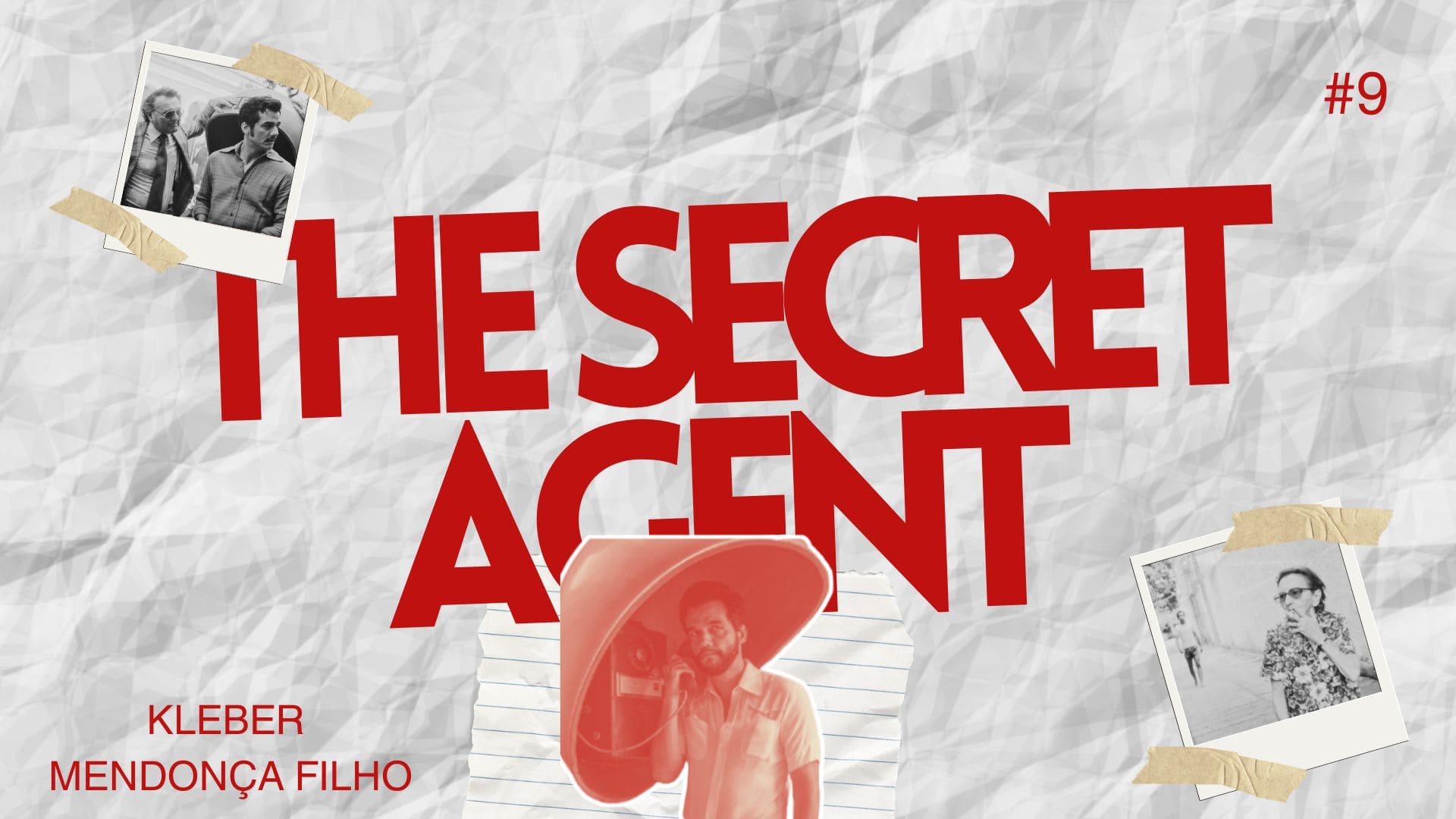
There’s a vital tension in The Secret Agent that lingers long after the credits, a kind of anxious, shimmering unease that the masterful Kleber Mendonça Filho orchestrates with almost surgical precision in his postmodern paranoid masterpiece, set in the 1970s during the height of the Brazilian military dictatorship. The film hums with unease, humour, and melancholy, balancing so many different tonal elements, employing the absurd and the devastatingly realistic, often at the same time. Every frame is a study in texture and timing, from bursts of colour to the sly, quiet details that reveal entire worlds in a glance, usually that of the incredible Wagner Moura, who commands the screen. Mendonça’s fascination with identity, memory, and the impossibility of outrunning the past manifests not as a lesson, but as a lived, authentic experience, one that reverberates in the performances, the meticulous design, and the layered, almost conspiratorial comedy that punctuates the film. This is a film that trusts its audience to pick up on the subtlest of cues, and in doing so creates a space for reflection, discussion and a gnawing, unsettled sense of empathy. Utterly human, unexpectedly playful, and quietly devastating, it’s a deeply daring work that both challenges and provokes.
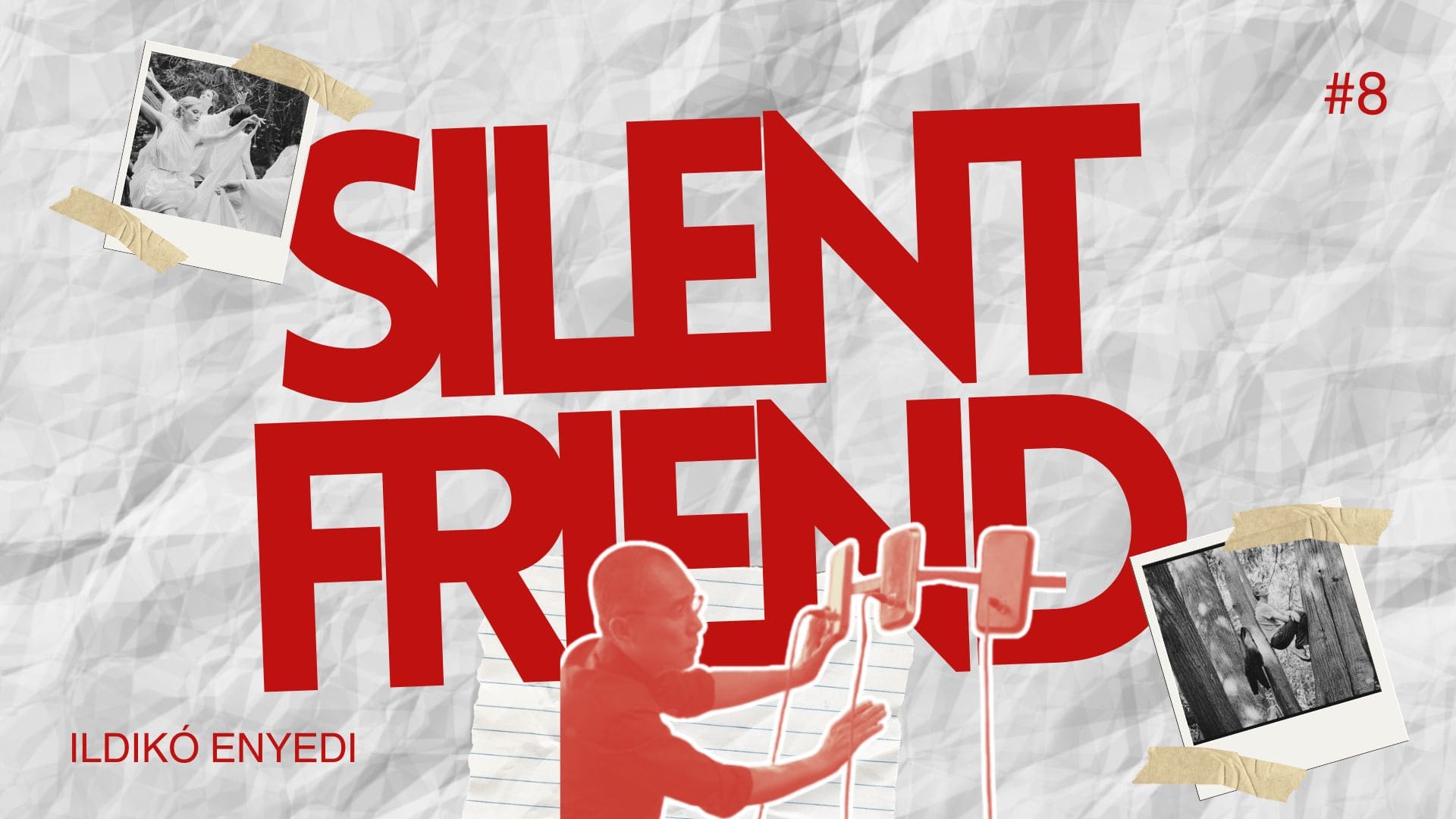
Silent Friend, the most recent work from the brilliant Ildikó Enyedi, feels like a film born from the idea of nature as a visual manifestation of the poetry that guides the human soul. It is a meditation on presence, time, and the subtle architecture of our lives and how it evolves across generations. Spanning a century yet rooted in a single ginkgo tree somewhere in present-day Germany, the film traces the quiet ways the world observes us (rather than the inverse), bearing witness to curiosity, desire, isolation, and transformation. The film moves with astonishing precision between timelines, weaving science, philosophy, and human longing into something that never feels heavy-handed, yet is endlessly rich, prompting a neverending discussion on these core themes. The characters, drawn from across generations and continents, inhabit the film with a quiet intensity, their small gestures amplified by the overwhelming narrative complexity that somehow never comes across as overwrought, but rather intimidatingly honest. This is a film that speaks directly to the audience without telling us what to think or feel, letting ideas bloom slowly and organically, resisting sentimentality while remaining profoundly moving in ways that are often difficult to put into words. Silent Friend is delicate, audacious, and unforgettable, becoming a masterclass in how cinema can explore the invisible connections that bind us all together.
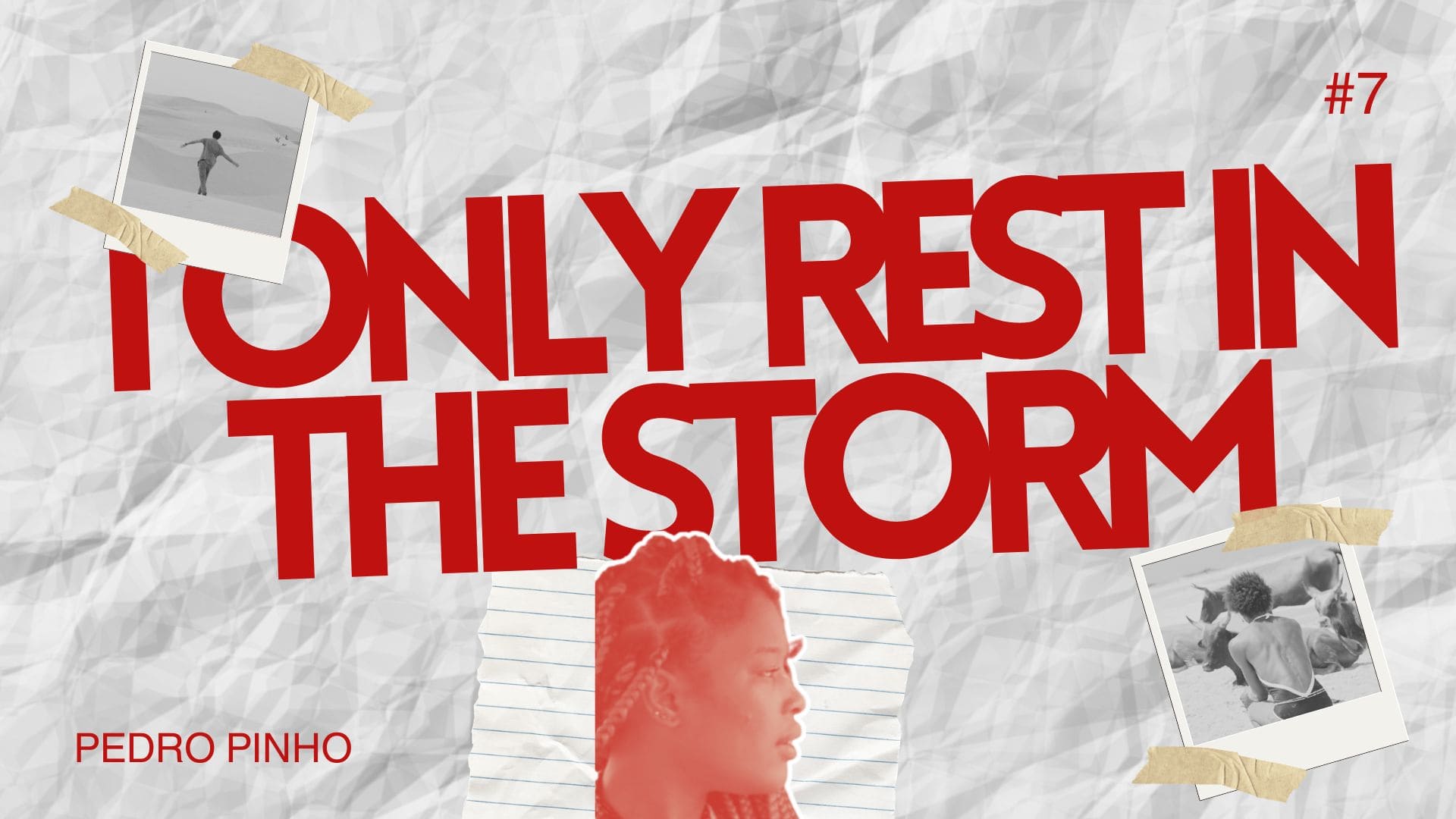
There’s a quiet violence in life, a tension between the smile we wear and the contradictions we carry – and this is perfectly reflected in I Only Rest in the Storm by Pedro Pinho, which inhabits that space completely and examines it from every conceivable angle. Set in postcolonial Guinea-Bissau, the film follows a man arriving as an outsider, only to find himself immersed in a culture that is both foreign and intimate, its rhythms reshaping his sense of self and changing his entire perspective. Pinho doesn’t rush to any clear resolution, and his camera lingers, capturing moments of absurdity, desire, and revelation with a patience and quiet intensity that mirrors the film’s existential concerns, often complicating them in unexpected ways. At the heart of the film is a trio of magnetic characters (Sérgio, Gui, and Diára, all portrayed by their namesakes) whose interactions are as equally unpredictable as they are illuminating, guiding us through conversations, landscapes, and emotions that overtake what is immediately visible. Epic in scale (running over three hours) yet intimate in scope, this is cinema as a meditation on identity, history, and curiosity, a quietly devastating work that lingers long after the audience has stepped away, leaving us to reflect on this beautifully absurd slice of life.
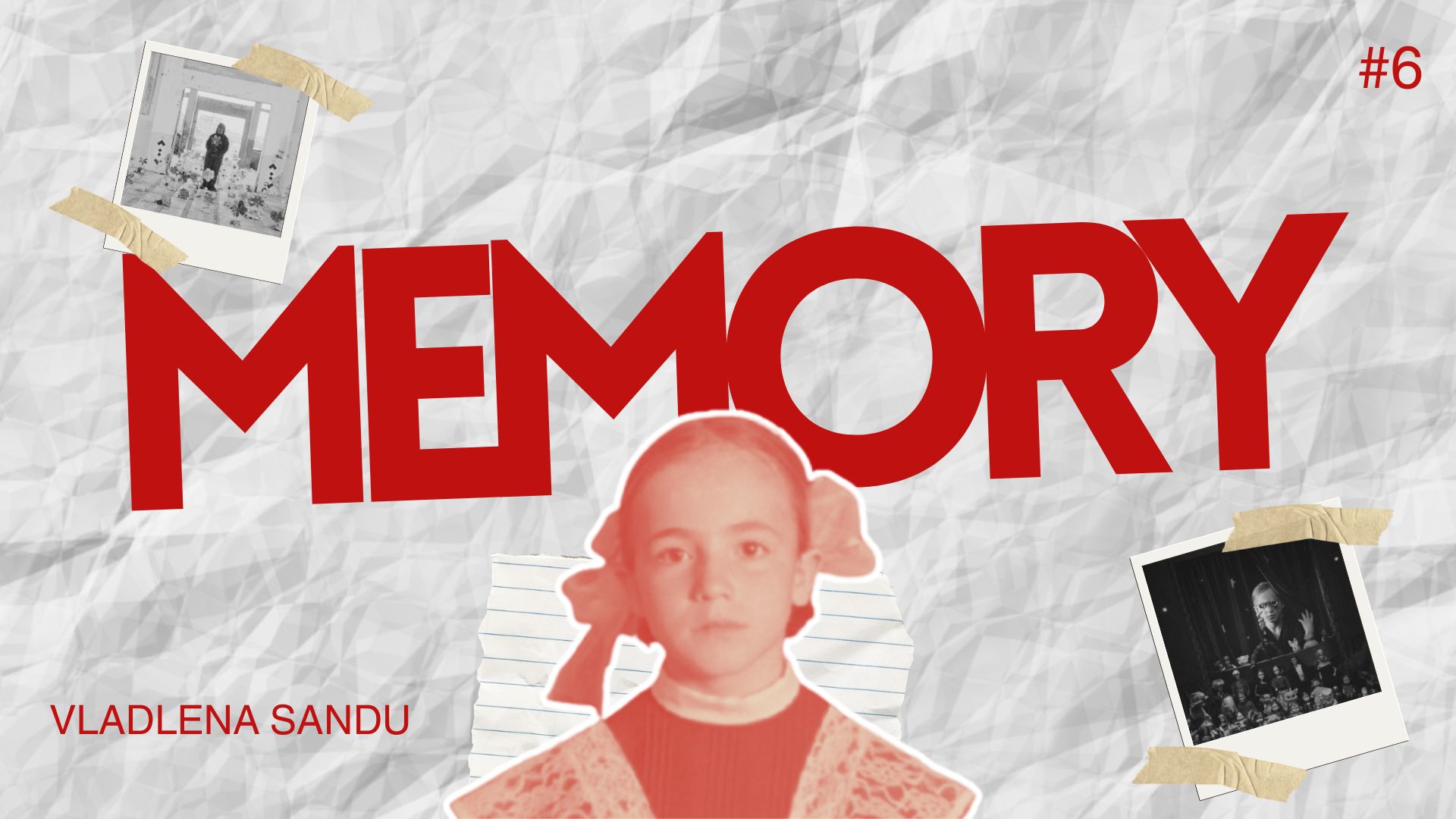
War is never simple, and memory even less so. Vladlena Sandu’s Memory confronts both with relentless honesty, revisiting her childhood in the town of Grozny during the Chechen Wars through a daring work that exists as a hybrid of styles, ideas and intentions. Part documentary, part surreal collage, the film weaves together reenactments, animation, puppetry, and intimate recollections, creating a fragmented yet deeply immersive meditation on trauma, survival, and the unbearable weight of the past, all handled with the most daring artistic ambitions. Sandu refuses to facilitate comfort or provide easy answers. Instead, the lens of her camera lingers on the absurdity and cruelty of conflict, finding poetry in the spaces between devastation and recollection, showing that it is possible to process the past, but never entirely recover from it. This is cinema of audacious intimacy, a work where form and content collide to explore not just historical events but the nature of memory itself. Hypnotic, challenging, and profoundly moving, Memory announces Sandu as a singular voice in contemporary filmmaking, crafting a cinematic experience that persists, unsettles, and refuses to let the viewer forget the stunning images that constitute this absolute masterpiece.
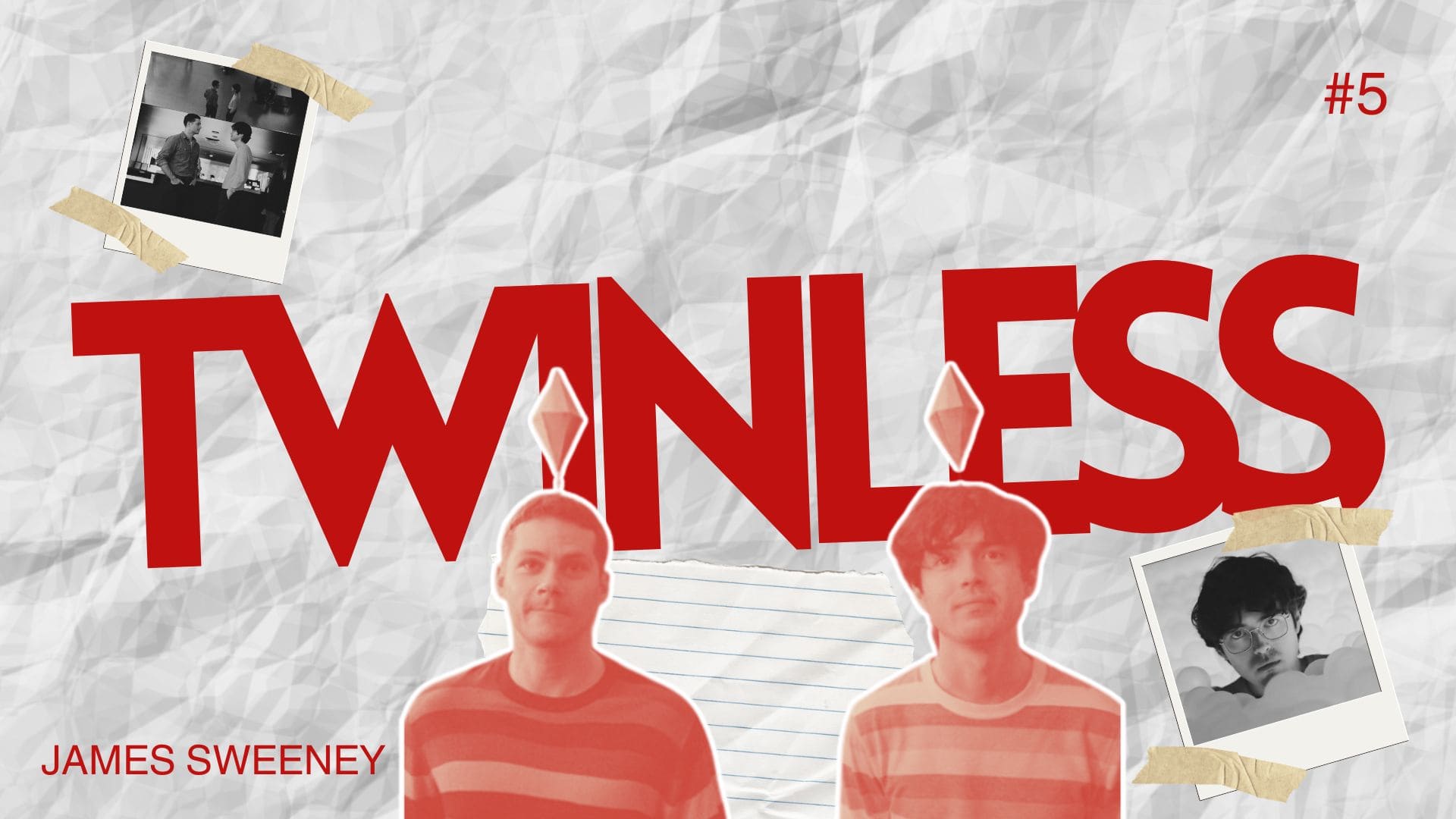
Grief is intensely personal, and there’s no manual for navigating the loss of a loved one (regardless of how many self-help books may say otherwise), and the process can feel overwhelming to the point of existential exhaustion. This is something that James Sweeney explores in Twinless, his extraordinary sophomore effort following the inventive Straight Up (one of the absolute best films of 2019), in which he explores the concept of loss with surprising warmth and dark humour. Sweeney’s brilliance lies in balancing sadness and levity in the exploration of a loss, crafting a darkly comical film without being trivial, and one that is compassionate without being sentimental. The film examines loss with subtle intelligence, allowing the story’s humour and poignancy to emerge organically, and where themes such as family, companionship (both platonic and romantic) and identity are all thoroughly examined. Anchored by Dylan O’Brien and Sweeney himself, both delivering layered, nuanced performances, Twinless is an intimate, daring meditation on mortality, healing, and human connection, being quietly profound, funny, and unforgettable, proving to be a testament to the director’s mastery of tone and emotional depth.
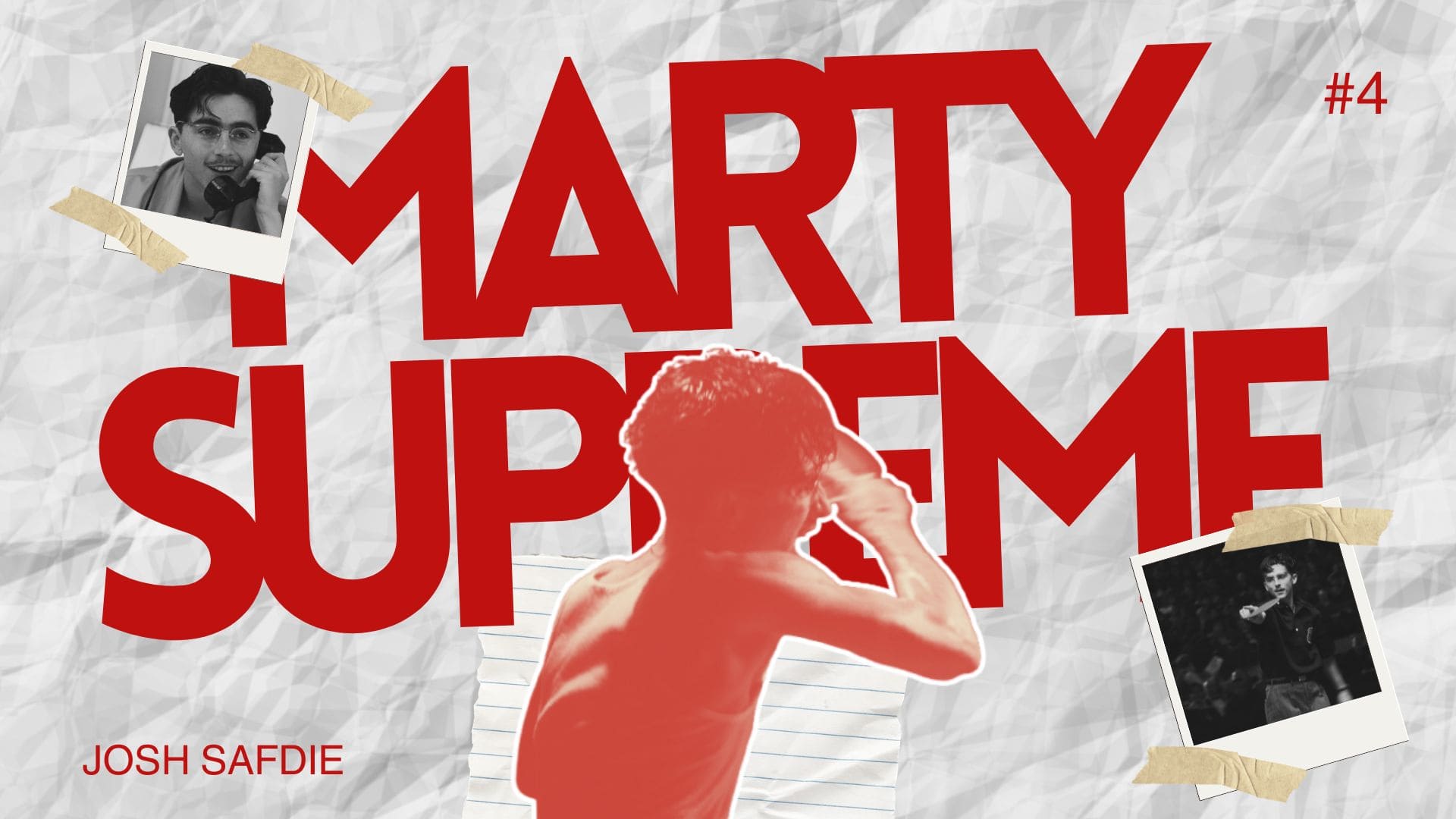
Marty Supreme by Josh Safdie crackles with the manic energy of ambition running wild, a film that doesn’t just tell a story but inhabits it in every conceivable way. The director fuses kinetic camerawork, razor-sharp editing, and obsessive period detail to transport us back to the 1950s, making the past feel both mythic and authentic, a playground for triumphs and missteps alike in this globe-trotting odyssey. Timothée Chalamet gives a fearless, unguarded performance that stands as his best work to date, balancing cocky bravado with startling vulnerability, transforming the pursuit of greatness into something viscerally human. The film revels in contradictions, blending comedy and pathos, spectacle and intimacy, recklessness and precision, and ultimately reflecting the messy architecture of ambition itself. Safdie’s direction treats every interaction as a volley of stakes and ego, turning dialogue, movement, and gesture into a high-speed act of pure artistic audacity, mirroring the table tennis games that occur throughout the film. Beyond its dazzling surface, the film interrogates the cost of legacy, the hunger for recognition, and the frailty beneath confidence, crafting a work that feels alive, dangerous, and electric, and ascends into a portrait of obsession as provocative as it is mesmerising.
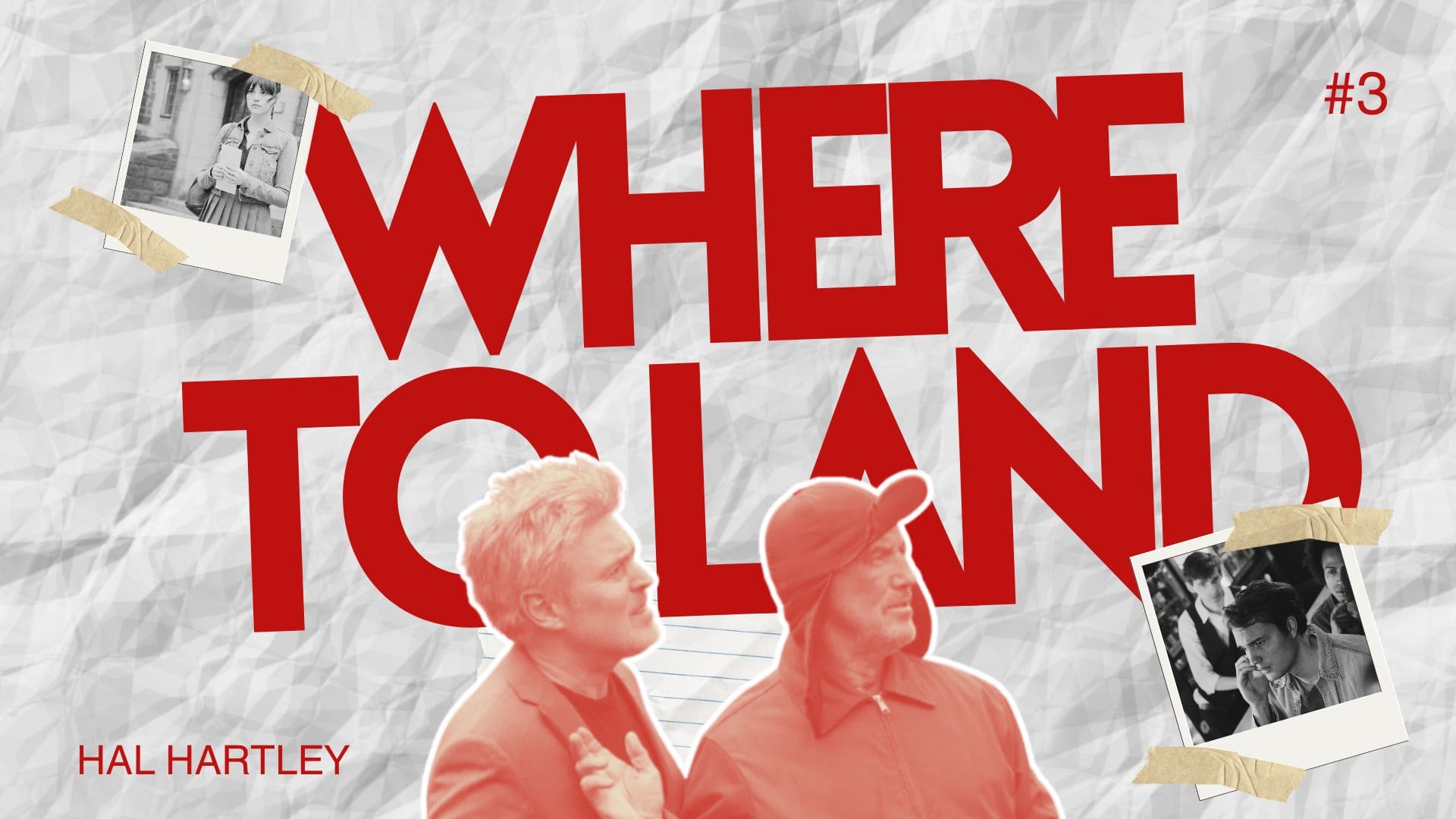
Where to Land, the first film by master of independent filmmaking Hal Hartley in over a decade, is a quiet meditation on existence, a film that feels less like a story and more like a stream of complex existential thoughts occurring in real time. The film wrestles with the unanswerable questions relating to the acceptance of mortality, the frantic search for purpose, and the act of spiritual renewal, doing this not through grand gestures but through small, human acts. This includes a man volunteering in a cemetery, encounters with friends and strangers, moments of absurdity and tenderness that ripple outward and a range of other vignettes that make up this astonishing piece of filmmaking. Hartley’s signature balance of humour and pathos infuses every frame, turning understated actions into profound statements on the fleeting nature of life. The cast, led by Bill Sage, is impeccable, inhabiting their roles with a naturalism that elevates the film beyond narrative into something resembling philosophy in motion. Every detail, ranging from the simple but evocative cinematography to the deliberate pacing, the quiet musical cues, works in tandem to offer meaningful reflections rather than outward spectacle. Where to Land doesn’t promise answers, but rather offers a space to contemplate the human experience and to feel the precariousness of existence, marvelling at the unexpected grace found in ordinary, imperfect lives.
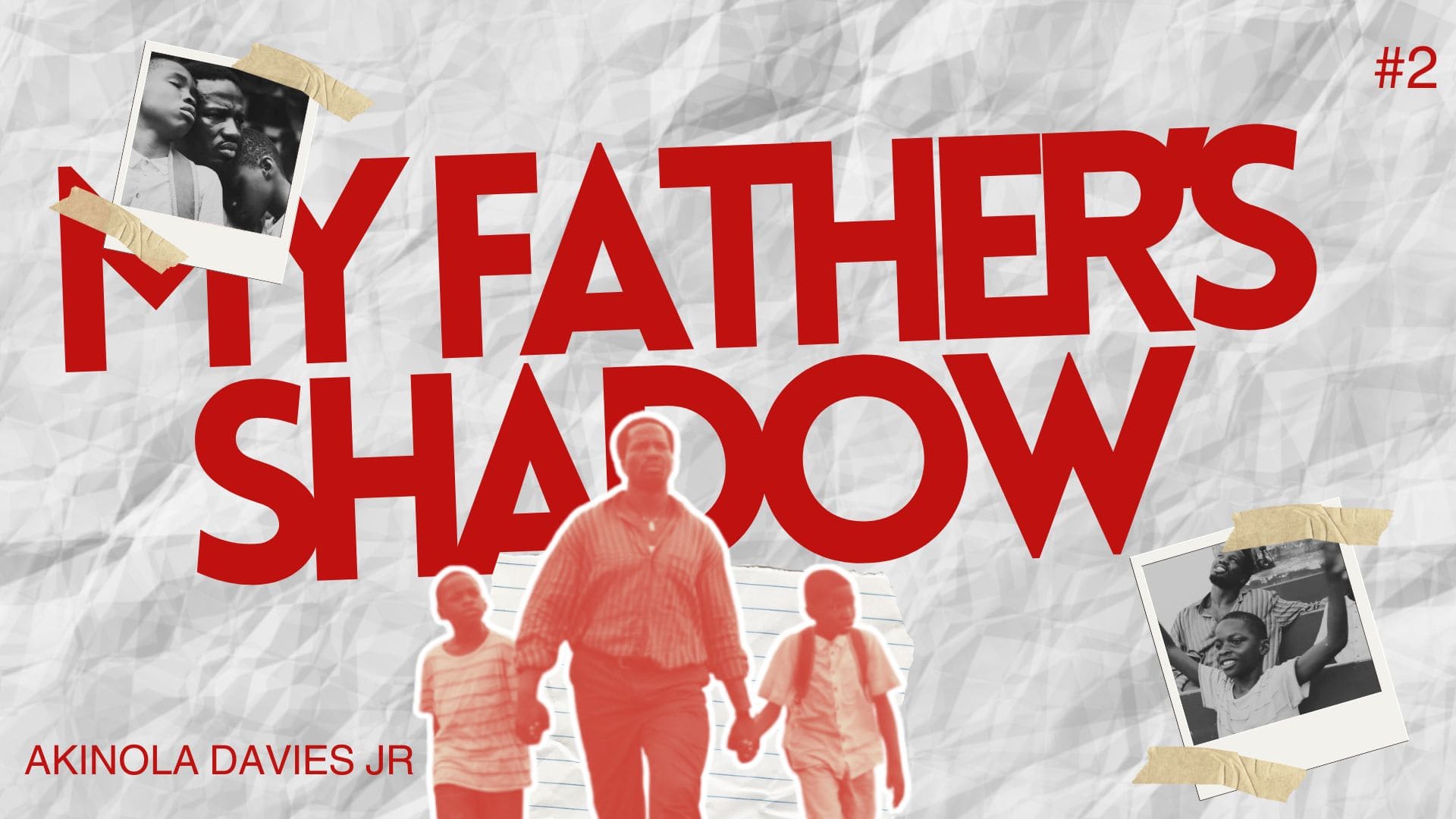
The act of reflecting on the past is not always easy, but it is essential. My Father’s Shadow is a quietly audacious debut, a film where memory, culture, and emotion fuse into something truly extraordinary. Akinola Davies Jr. doesn’t simply tell a story, and instead reconstructs a world he experienced, allowing the Lagos of his childhood to develop into a character itself, alive with chaos, unconventional beauty, and unspoken histories carried in every face encountered by the two young protagonists and their enigmatic father, who the director represents as a spectre. Every frame is imbued with a tension between absence and presence, childhood and adulthood, personal memory and collective experience. The performances, particularly from first-time actors (and real-life brothers) Chibuike and Godwin Egbo, radiate authenticity, anchoring the film in a delicate, genuine reality. Davies’ direction is both restrained and daring, balancing lyricism with grit, reflection with raw immediacy, becoming a truly extraordinary visual essay. There’s a poetry to this film, particularly in how it fixates on the spaces between dialogue, the pauses, the quiet gestures, which turn ordinary moments into profound insights on identity, family, and the unbearable weight of the past. Far more than a conventional coming-of-age story, My Father’s Shadow is a meditation on what it means to inhabit a place, a memory, and a life, becoming an intimate, transcendent work of art that lingers with the viewer, who will undoubtedly find something that resonates with them in this astonishing film.
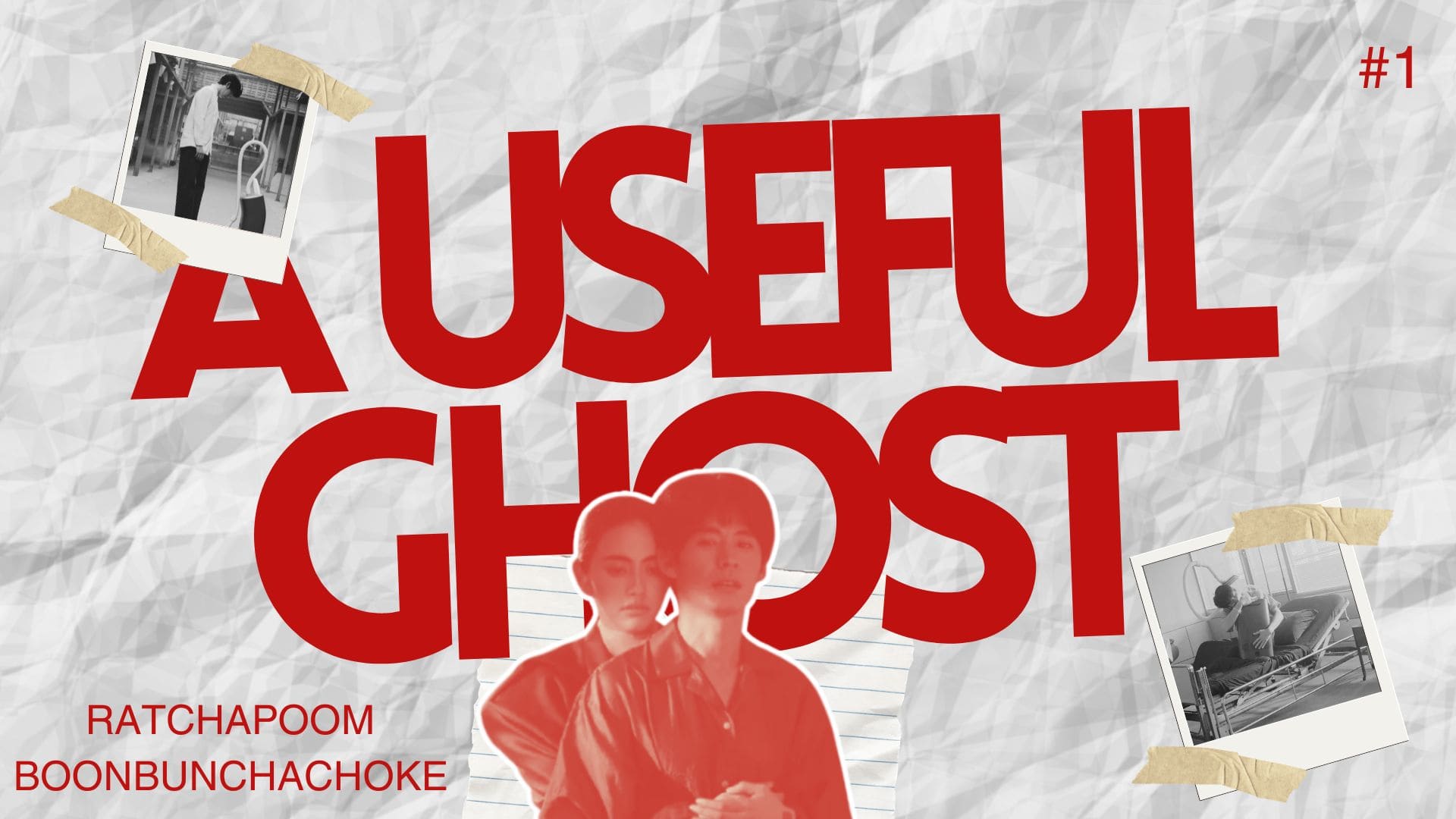
Sometimes, a ghost has a purpose. A Useful Ghost challenges (or perhaps detonates is a more appropriate word) narrative convention with gleeful, deranged effectiveness. Ratchapoom Boonbunchachoke’s debut fuses dark comedy, psychological horror, and tender melancholy into a singular, audacious vision, one where the absurd and the profound coexist in uneasy harmony, becoming a work unlike any other we’ve likely seen. The film thrives on ambiguity, existing in the liminal space between life and death, grief and humour, absurdity and sincerity, all bleeding into one another until the viewer is suspended in a surreal, intoxicating space that is both unsettling and outrageously entertaining. Performances, particularly from Davika Hoorne and Apasiri Nitibhon, anchor the chaos, making even the most improbable moments feel emotionally resonant and deeply honest. The director’s impeccable writing is filled with brilliant details, and his camera moves with sly precision, capturing a world that is at once whimsical, eerie, and heartbreakingly intimate, reflecting on mortality, mourning, and the thin membrane separating existence from nonexistence, a philosophical space in which we all find ourselves at some point. The film is mischievous yet meditative, managing to find the perfect balance of the outrageous and tender, a combination that is far from easy to effectively convey on screen, especially for a first-time directorial outing. This is a film formed from a rare kind of cinematic alchemy that challenges, delights and unsettles, cementing A Useful Ghost as one of the most audacious works in recent memory, and undoubtedly the best film of the year.
That brings us to the end of our celebration of the year in film, an annual exercise that is both exciting and daunting in equal measure. 2025 was a fascinating year for the industry, and having the chance to reflect on the past months is always a welcome opportunity to look at everything from a distance. It has been a wonderfully diverse year – we’ve seen films in dozens of different languages, across many genres (some of which even laid claim to creating entirely new genres themselves), and where a more versatile body of voices were given the power to craft films according to their visions, which only makes it a more diverse year. Cinema remains a powerful medium, something that not only entertains but also educates and inspires, radicalising us to make changes to the world that surrounds us. Images projected on a screen, but which influence our thoughts and actions in unexpected and beautiful ways. Now, let’s see what 2026 has in store for us.
 The Postmodern Pelican