Another year, another opportunity to sample from the creative and innovative minds of the many fantastic filmmakers who have defined the cinematic landscape over the past several months, introducing us to some of the most exciting works of fiction and non-fiction. As with any year, there are various masterpieces and misfires, to the point where everything tends to balance out – but this doesn’t stop us from celebrating the works that stand out and prove that the film industry is still responsible for some of the most engaging, enticing pieces of storytelling, examining the world and its residents with precision, heartfulness and an interminable amount of soul, all of which goes into the unforgettable experience of working through the past calendar year. As the winners for the 97th Academy Awards are being announced later this weekend, it is our usual tradition to reveal the selections that best represent what cinema had to offer in the past year. While only a small handful of the films listed below correlate to those that are being recognized at today’s ceremony, the impact of a film is not always determined by its awards, but rather how it invites audiences to engage with a range of stories, each one bringing us closer to understanding the world slightly more than before.
Every year, I tend to look at the films I loved over the past twelve months and attempt to pick out themes and patterns amongst them – and this year, I found so many fascinating connections that I felt impelled to point them out here. There are stories about transformation and identity, exploring protagonists going through physical, psychological and social transformation, and engaging in journeys of self-discovery along the way. There are stories about outsiders navigating oppression, exile, or societal rejection, or films that tackle the struggles of dreamers and creative misfits in unconventional, absurd ways. Some of these films follow traditional narrative structures, some of them acting as tributes to the films of the past, whereas others attempt to reinvent the form through innovation and experimenting with form and content. Bodies become a battleground, the mind becomes an endless labyrinth. Some of these protagonists face alienation and loneliness while trying to make their way through life, while others reflect on the past and engage in acts of existential pondering in the hope of making sense of their confusing surroundings. These ideas all come together to create a year filled with exceptional, daring and provocative cinema, being another example of the power of cinema to connect us together.
Without any further ado, here is a list of the films that best represented the past year and its incredibly innovative, daring minds that set out to create memorable, compelling works
Honourable Mentions
All We Imagine As Light (Payal Kapadia)
Filmlovers! (Arnaud Desplechin)
Ghostlight (Alex Thompson, Kelly O’Sullivan)
Horizonte (César Augusto Acevedo)
The New Year That Never Came (Bogdan Mureșanu)
Queer (Luca Guadagnino)
The Room Next Door (Pedro Almodóvar)
The Sparrow in the Chimney (Ramon Zürcher)
Universal Language (Matthew Rankin)
The Best Films of 2024

While many filmmakers have looked at the challenges of parenthood through the lens of horror, very rarely has it been as unsettling as it is under Magnus von Horn’s direction in The Girl with the Needle, one of the bleakest and most haunting examinations of motherhood ever committed to film. Set in the early 20th century in Denmark, the film follows the relationship between a young woman and Dagmar Overbye, who promoted herself as someone who can assist unwed or young mothers by offering them the chance to discreetly get rid of unwanted children, claiming to be able to find surrogate homes for the infants, when in reality she was a vicious serial killer who was responsible for the deaths of countless children. Haunting, terrifying and harrowing in a way that we simply do not see in the vast majority of contemporary works, The Girl With the Needle is a shocking achievement, and a film that lingers with us long after the final frame has faded from our screens.
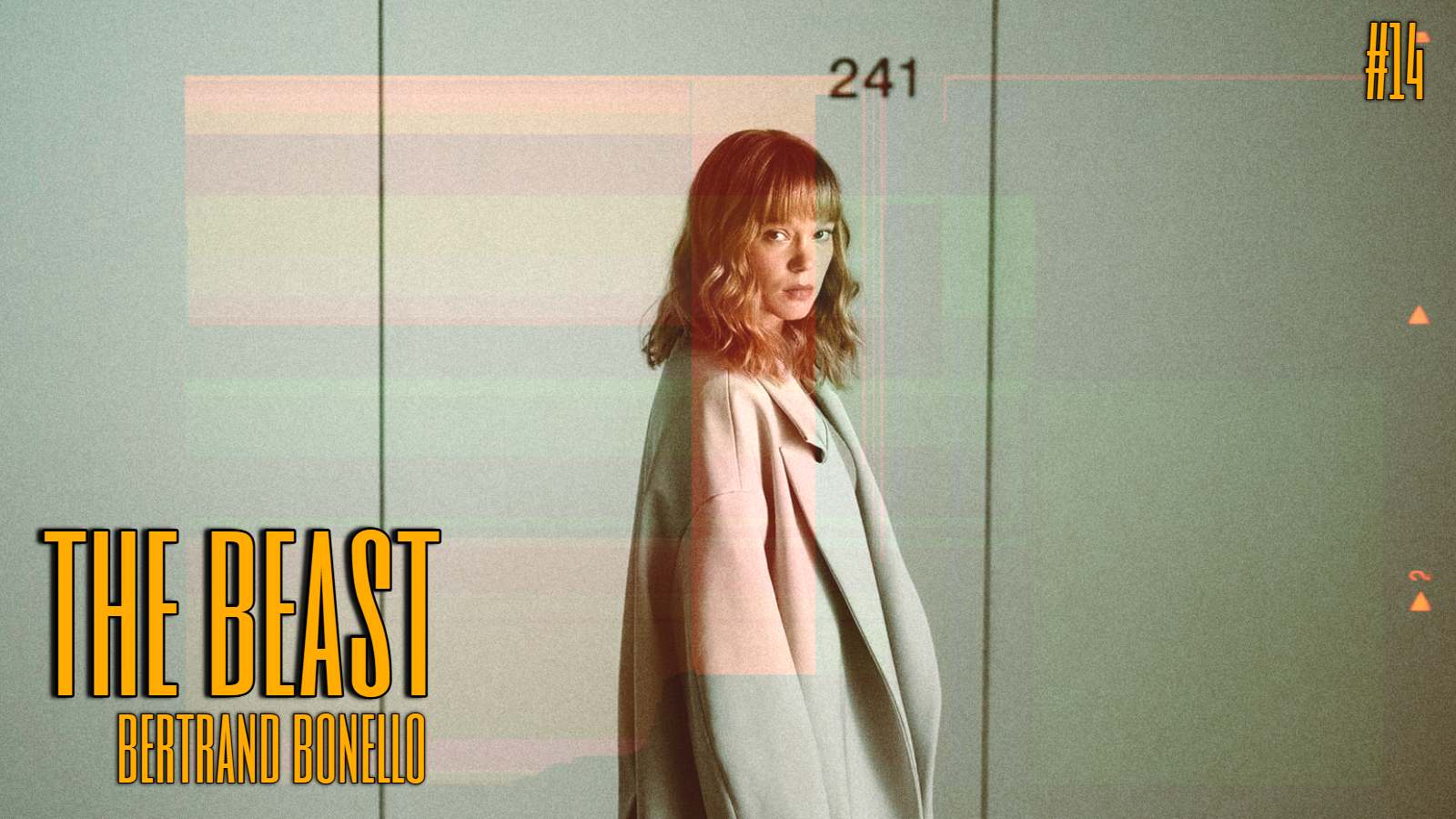
The memories of the past have a tendency to linger – and we’re usually powerless to get rid of them entirely. There are some that believe our deepest memories are actually the remnants of our past lives, lingering behind as a fervent reminder of our infinite nature. Bertrand Bonello, who has long been the very definition of a cinematic revolutionary, explores this concept by engaging with the novella The Beast in the Jungle by Henry James, turning this challenging text into an even more complex exploration of the human condition, examining ideas of desire, identity and the connections we make with one another in the process of revisiting our past in the hopes of preventing the same mistakes from occuring in our future. A stylish, disquieting existential odyssey that features some of Bonello’s most intricately-woven narrative components, combined with stunning performances and a sense of incredulity towards cinematic conventions that has always made him quite a prominent voice in contemporary arthouse cinema, he truly achieves something remarkable with The Beast, a hauntingly beautiful portrait of an existence that may not even be real in the first place.

If you could communicate with your past self, what would you say? This hypothetical has been discussed for just about as long as we’ve been sentient, but it has never felt more entertaining than when it was expressed by Coralie Fargeat, whose masterful The Substance takes this simple premise and builds it into some of the most offbeat, daring filmmaking of recent years. Featuring a career-best performance by Demi Moore, who redefines the concept of the “comeback”, and featuring truly unhinged madness that is both wickedly funny and effortlessly entertaining, The Substance is a subversive masterpiece which challenges beauty standards, the experiences of being a woman in Hollywood and the crushing defeat of realizing that your youth is a commodity that does not last long enough to make an impression. Outrageous and thought-provoking, there is a reason why this film has become such a major sensation across the globe and resonated with so many viewers.

There comes a moment when we all realize that we are not the centre of the universe – but this doesn’t stop us from acting as if we know this isn’t the case. There’s something so charming about the most delusional kind of hubris that is far more common than any of us would like to imagine, which is precisely what Theda Hammel, in her incredible directorial debut Stress Positions, sets out to explore by telling the story of a group of residents in a small Brooklyn brownstone that gather over a day to lament about their own personal problems, and finding themselves in increasingly absurd situations in this deliriously entertaining and profoundly odd dark comedy that captures the spirit of the current generation with such wit and rambunctious ambition. It is also, to date, the only film to effectively address the COVID-19 pandemic in a way that was not heavy-handed, but just as irreverent as the rest of the film.
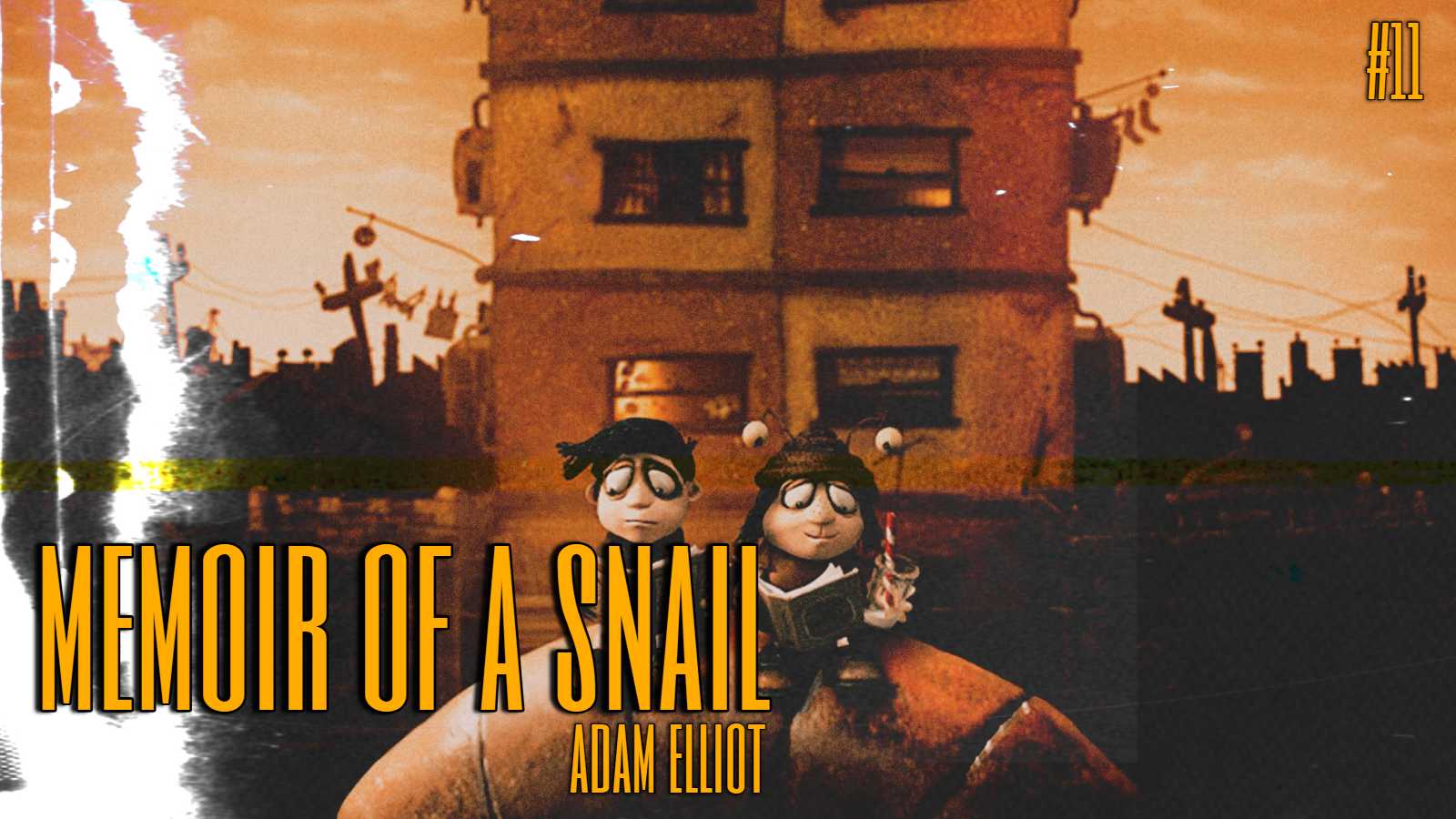
Revisiting the past can be a daunting endeavour – there is something profoundly unsettling about facing the memories that many of us would prefer remain far from view. Yet, it’s an essential process and one that requires us to consistently reflect on our personal journeys. No one makes films quite like Adam Elliot, whose masterful command of his craft has resulted in a few astonishing works, each one a handcrafted masterpiece that are as visually compelling as they are genuinely heartfelt. Making films for older audiences, he tackles themes such as depression, loneliness and identity, and follows characters who are perfectly imperfect. All of this is a perfect summation of Memoir of a Snail, a heartbreakingly beautiful and achingly funny testament to the human condition, following a lonely young woman as she addresses the heartbreak and joys she has experienced over her life. Poetic and hilarious, the film captures a rare quality that we hardly see in a lot of contemporary animation, and proves to be the very definition of a labour of love, creatively and narratively.

It is never too late to start over, and sometimes the most meaningful moments of restarting your personal existential narrative can come from the most unexpected of sources. A beautifully poetic examination of a friendship between a down-on-his-luck, suicidal cantor and his happy-go-lucky former music teacher, with whom he develops a close bond after decades, Between the Temples finds Nathan Silver cobbling together a poignant and poetic exploration of human connection, filling it to the brim with hilariously awkward scenarios, an abundance of irreverent humour and career-best work from Jason Schwartzman and the always remarkable Carol Kane, who once again proves the depths of her talents know very few limitations, with her bold, courageous performance as this woman trying to redefine herself through the process of connecting with the people around her anchors this extraordinary and charming film that is as raw as it is genuinely heartfelt.
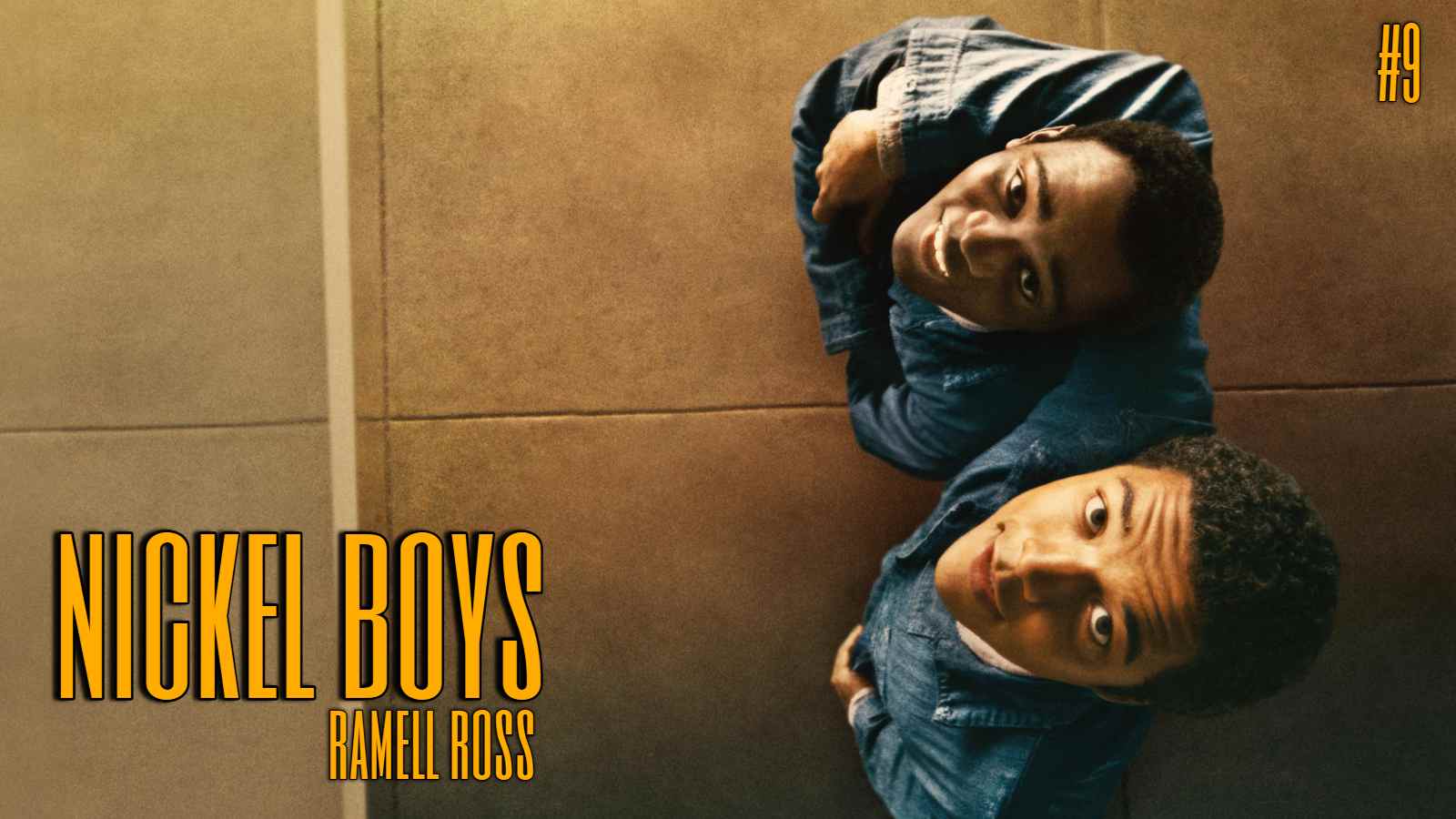
The trauma of the past tends to linger quite heavily on our souls, being passed down between generations. Yet, we find that the haunted histories that linger with us can form the foundation for exceptional art, as is the case with Colson Whitehead’s The Nickel Boys, which has been adapted into a film by RaMell Ross, an original cinematic visionary who makes his narrative debut by telling the story of two African-American teenagers growing up in the 1960s who find themselves experiencing the racial divide that defined American culture at the time firsthand. A unique approach in which the audience is given unfettered access into the minds of the protagonists, combined with masterful directorial flourishes that are both elegant and extraordinarily beautiful, the film captures the hideous, complex nature of the past in vibrant, unforgiving detail that leads us down a path of deep existential despair as we’re confronted with some harsh realities that none of us could anticipate in terms of their depth and scope of uncertainty and terror that tends to accompany it as time progresses.
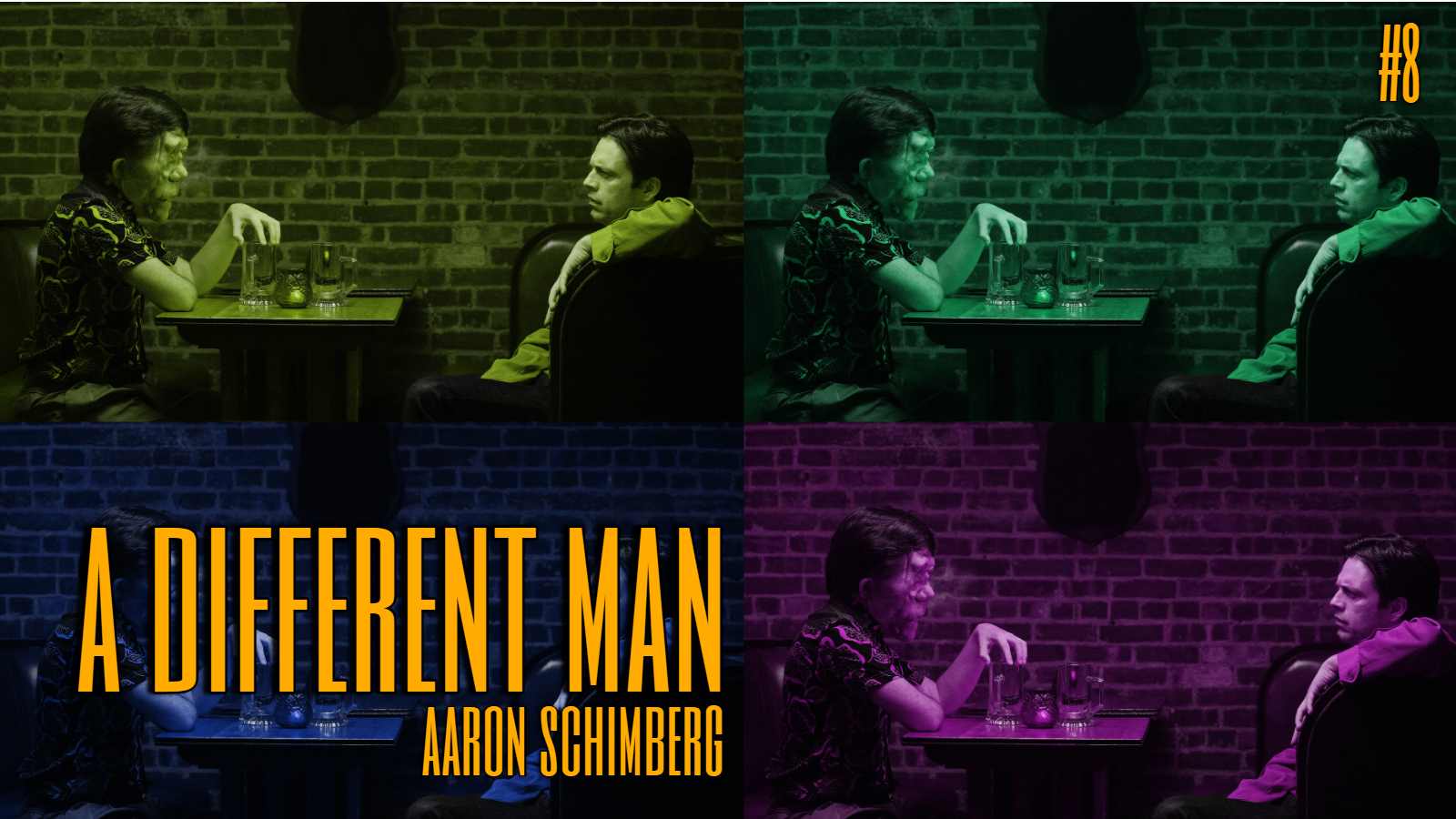
We all have our imperfections, and some of us wear them more visibly than others. There comes a point where we have to learn that life isn’t about removing these flaws, but rather coming to terms with them and accepting that they define us on a much deeper level. Aaron Schimberg has always been fascinated by exploring the internal lives of outsiders, and he finally achieves the breakthrough he deserves with A Different Man, a tragicomic fable about an actor who undergoes life-changing surgery to remove severe facial disfigurement, only to realize that life isn’t much easier for him despite suddenly taking on a more conventional appearance. A film as compassionate as it is bleak, oscillating between dark humour and deeply unsettling philosophical meanderings, and featuring extraordinary work from Sebastian Stan and Adam Pearson, the film is a major achievement in both form and content.
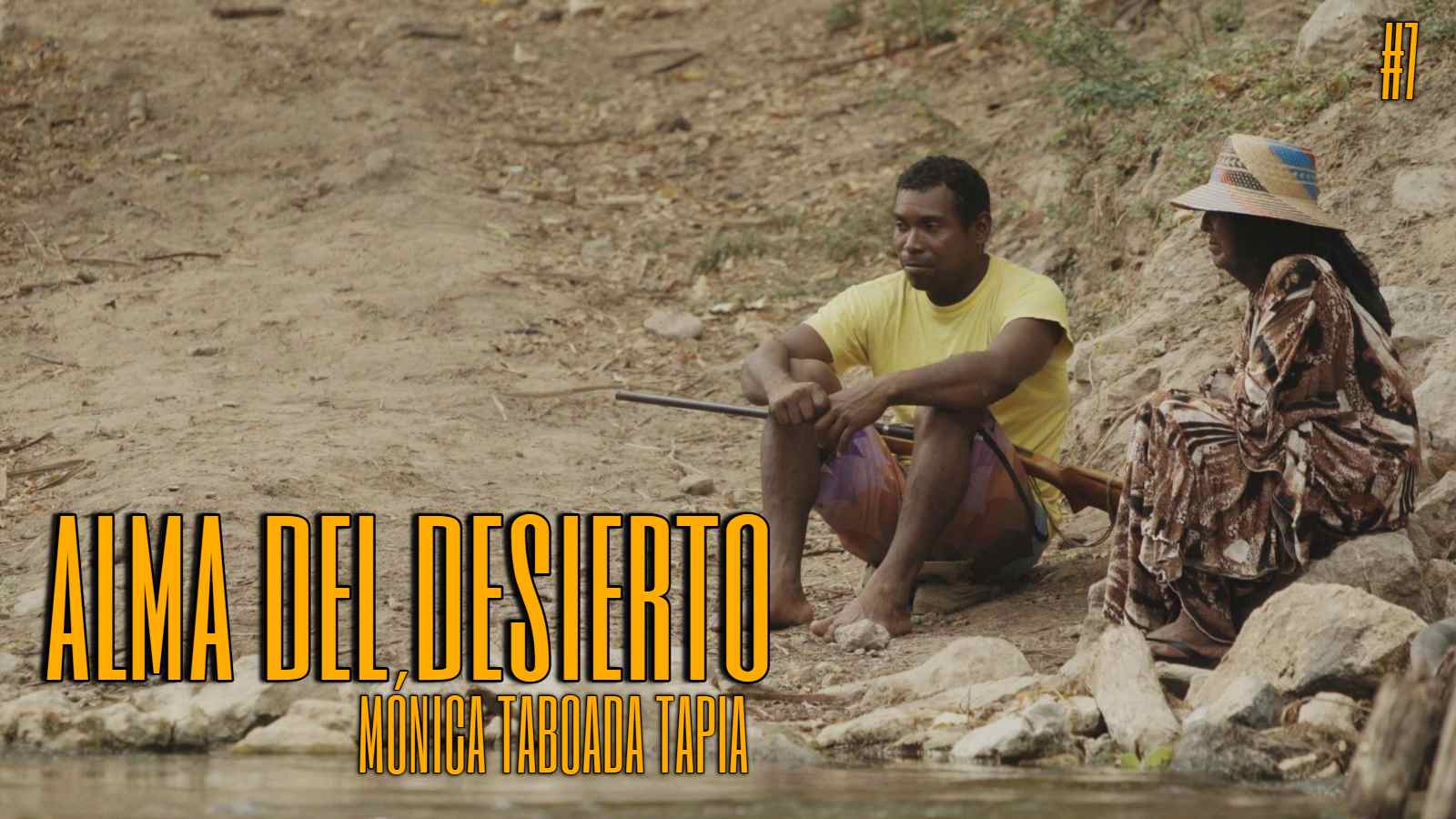
The journey towards self-acceptance begins by putting one foot in front of the other – and while the journey is long and seemingly endless, the gratification that comes when encountering each new destination makes it well worth our time. Alma del Desierto captures the feeling of being recognized as the person you are inside through telling the story of Georgina, who has spent her life hiding in the shadows as a trans woman from a remote indigenous community, but at an advanced age decides to announce herself to the world, stating her identity and making sure that she does everything she can to live authentically and with purpose, undergoing a stunning journey of self-realization in the process. A beautiful testament to the human condition, carefully pieced together by the director who creates such a beautiful, evocative documentary about identity, sexuality and humanity, the film is an extraordinary achievement and one of the most life-affirming, inspirational works of art produced in the last decade.
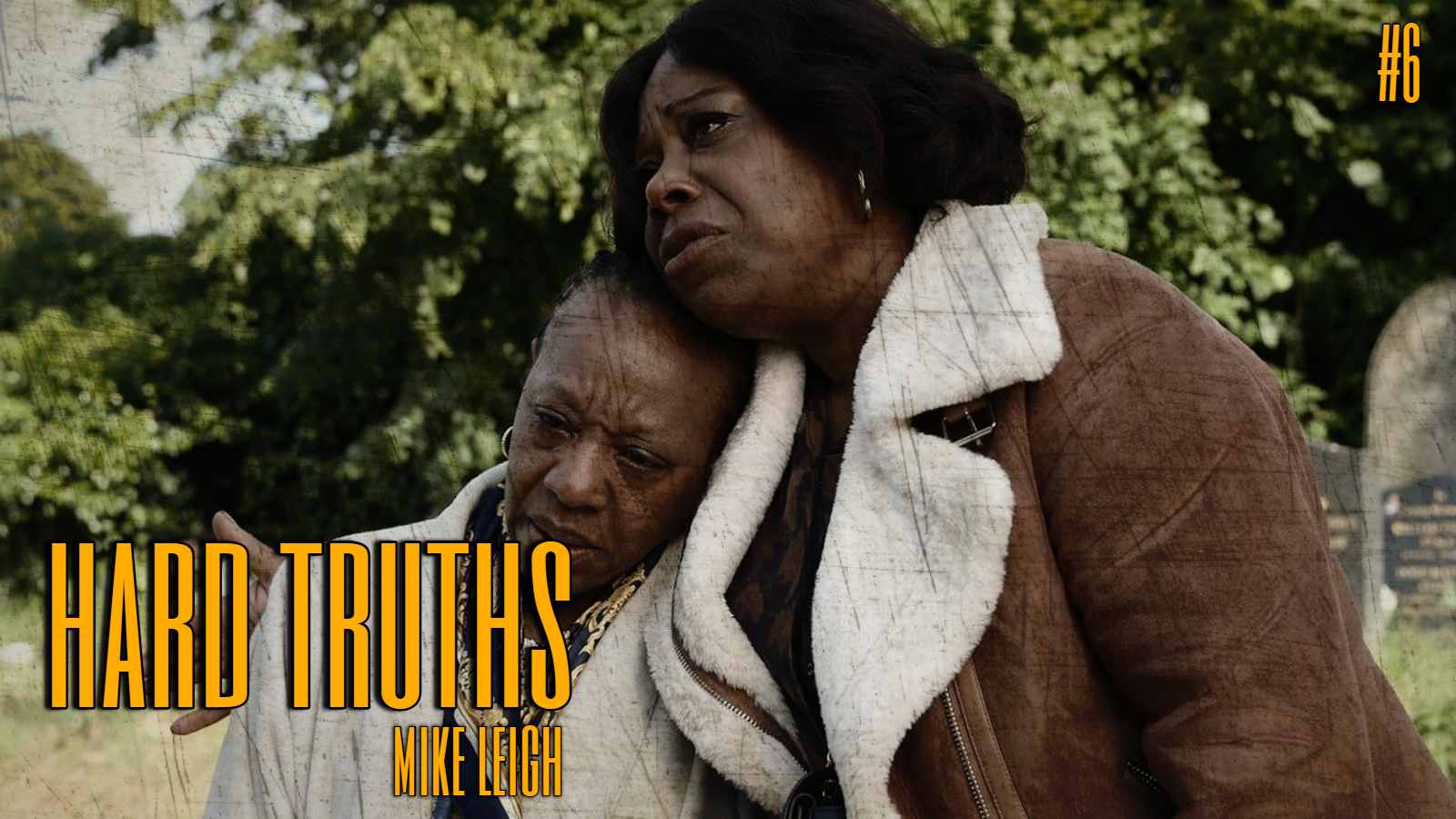
We all know someone like Pansy Deacon, a person who seems to be perpetually angry with the world, and where the smallest and most insignificant of obstacles are blown out of proportion solely because they believe there is some hidden agenda against them. In the hands of most filmmakers, this kind of character would be nothing more than a one-dimensional annoyance, but for Mike Leigh, this archetype is the foundation for Hard Truths, in which he explores the internal life of a woman who has grown so immensely angry at the world, she can barely function. Through a reunion with the always astonishing Marianne Jean-Baptiste, who once again proves that she is amongst our finest living actors, and pairing her with the equally incredible Michele Austin, Leigh tells a heartwrenching, blisteringly funny story about two women trying to navigate the world, depending on one another in unexpected ways. A wonderful return from a master who has sadly been far too absent from the industry for several years, and the potent reminder we needed of his unquestionable abilities to strike a raw nerve when it comes to the human condition, Leigh achieves something truly astonishing with this poetic, complex character study.

Grief is an experience that we all encounter at some point in our lives, and it usually does not take any prisoners. There’s something deeply challenging about losing a loved one, and the process of recovering from it can be a lengthy, almost impossible journey. In Allen Sunshine, his remarkable directorial debut, Harley Chamandy takes hold of the experience of mourning and explores the trials and tribulations of a man who is quietly trying to piece his life back together, but finding it increasingly more difficult to do as he ventures further into his mind. A compassionate, heartfelt and genuinely moving independent drama that wears its heart on its sleeve and makes sure that we are consistently engaged through realistic characters, meaningful scenarios and superb writing that all coalesces into one of the year’s most empathetic, heartfelt efforts to plumb the emotional depths of the human condition.
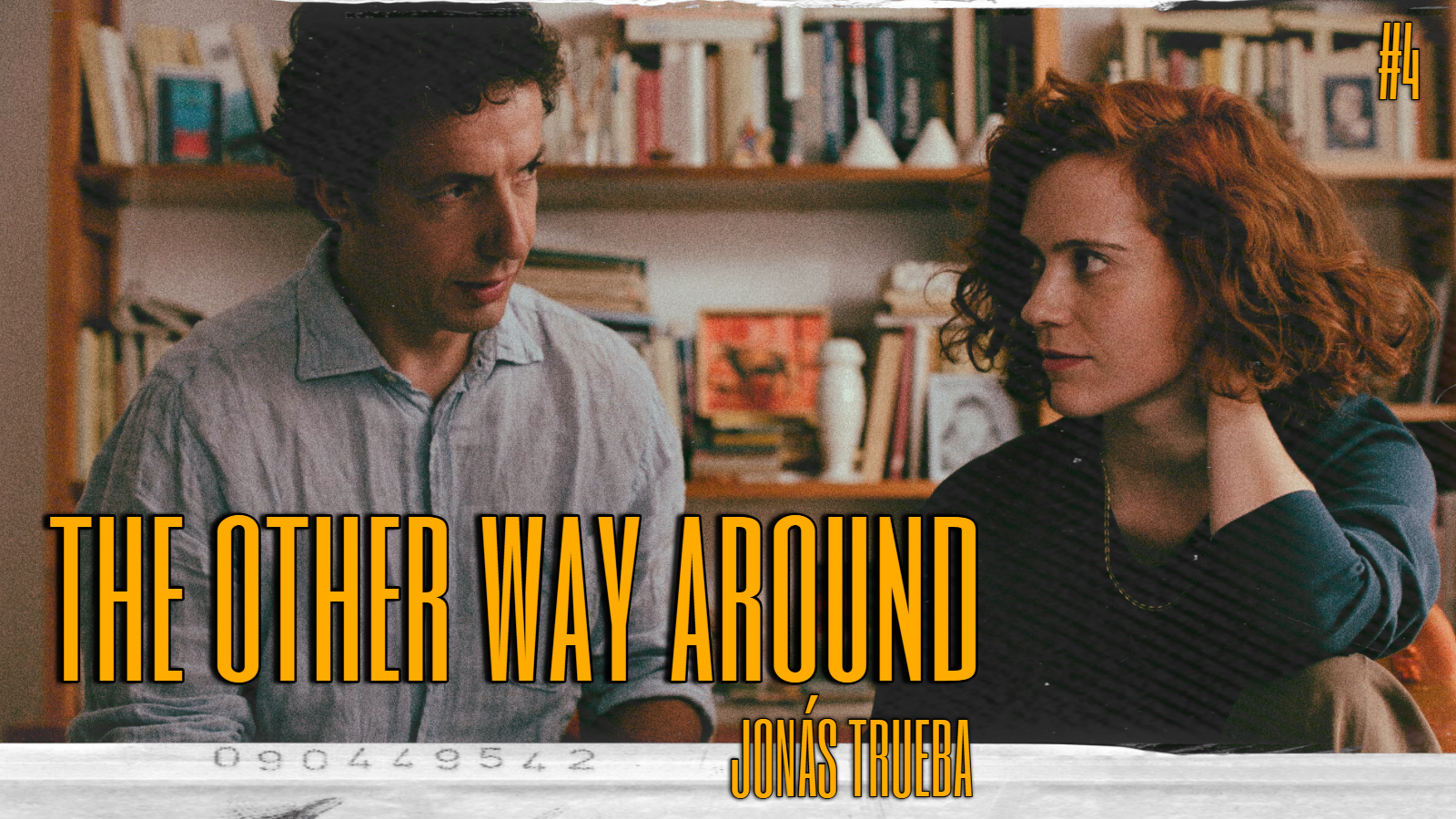
There is a common tendency to view the opposite of love as hatred, when in reality we’ve seen more than enough evidence that they’re both similar processes, drawing from the pool of passion. Jonás Trueba examines the trials and tribulations of a couple who are on the verge of breaking up, but have decided that they are not going to succumb to the traditional feels of disdain for one another, agreeing to a peaceful transition in their relationship status, quietly and elegantly moving from partners to friends, not realizing the challenges that accompany the process. Perhaps the year’s best-written screenplay, filled with wit, humour and undeniable candour, anchored by some exceptional talents in terms of Vito Sanz and Itsaso Arana, who lead the film, and driven by an incredible sense of elegance the likes of which we haven’t seen since the era where Woody Allen and Ingmar Bergman were examining the fickle boundary between love and ambivalence, the film captures the human spirit in vibrant, offbeat detail.
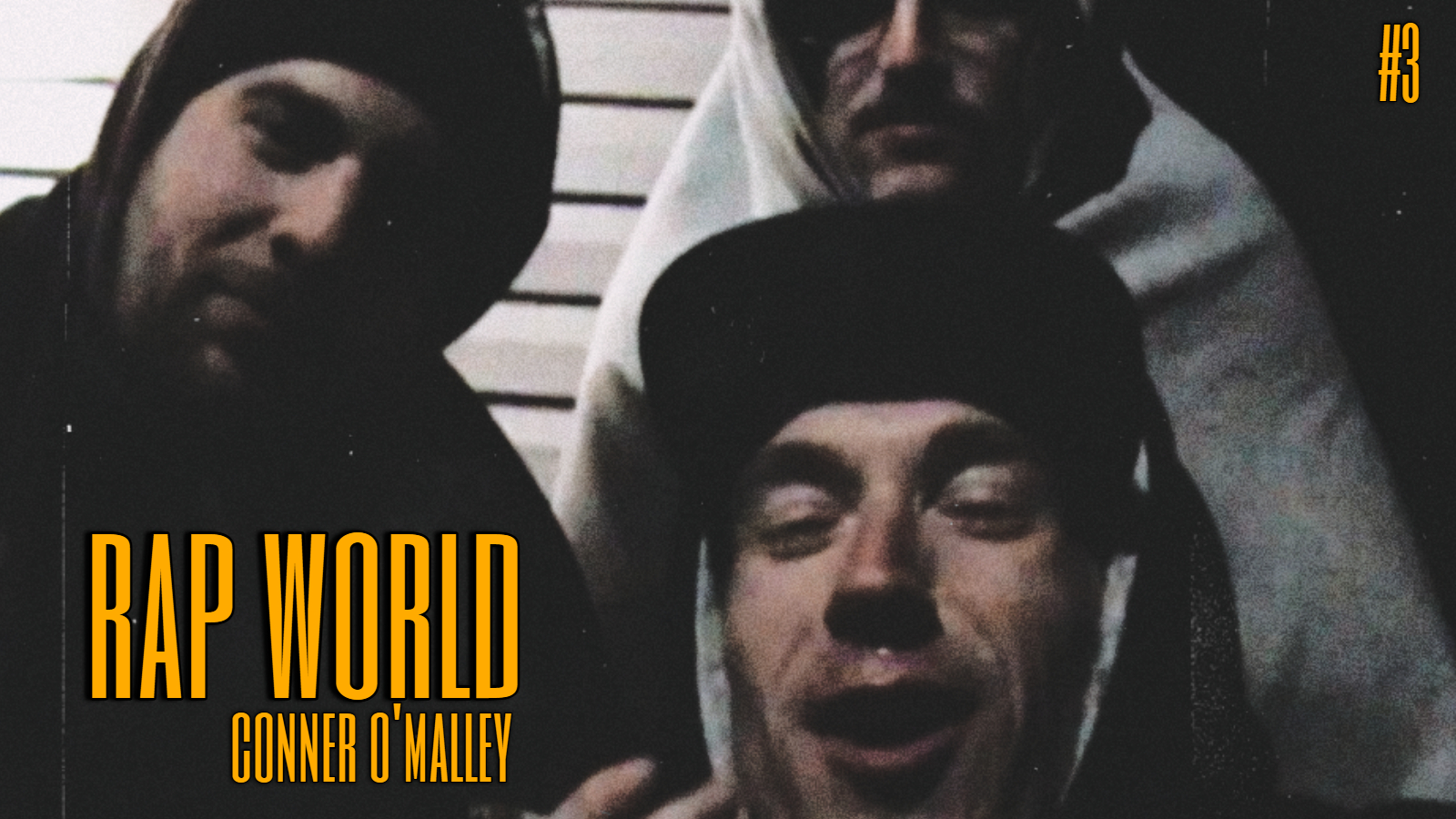
The pursuit of fame is challenging, and it’s only made worse when someone wants to become the voice of their generation. Ironically, Conner O’Malley is the very definition of an artistic revolutionary, someone who has slowly begun the process of redefining comedy to reflect his own deeply strange worldview, and contributing to a steadily growing body of alternative comedians. His greatest work to date is Rap World, in which he crafts the funniest and most irreverent mockumentary since This Is Spinal Tap, following a trio of slackers living in the suburbs who are delusional enough to genuinely believe that they are on the precipice of greatness, which they plan to achieve through the production of the album that this documentary supposedly follows. In less than an hour, O’Malley compresses innumerable existential and socio-cultural themes into an enormously ambitious and blisteringly funny comedy that has some jagged edges, but where each one is intentional and showcases his immense, interminable gifts.
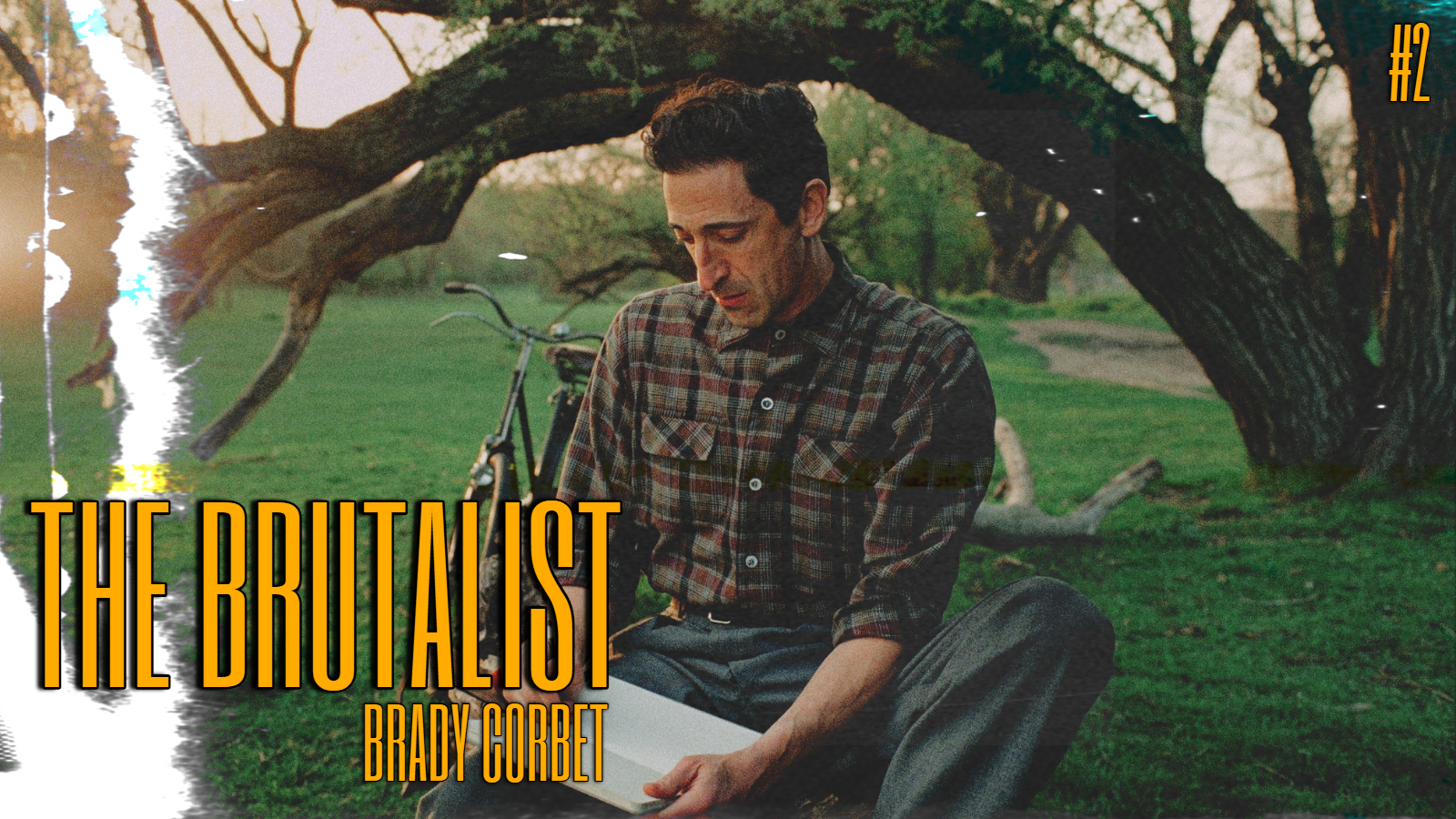
Something that has always drawn me to Bruce Springsteen is how his work is both universal and specific – and when he famously sang “I believe in a promised land”, this sentiment can be applied to so many different contexts. Yet, it is something to which we can all relate – we move through life, quietly wondering when it is going to be our turn to make our home in the proverbial paradise that we all seek, whether it’s a place or state of mind. In his staggering, generation-defining masterpiece The Brutalist, Brady Corbet tells the story of an immigrant seeking a life for himself in the aftermath of surviving the Holocaust, and follows his trials and tribulations as he attempts to make his home in the United States, an endeavour more challenging than he could have ever imagined. Adrien Brody gives a career-best performance in a film that is the closest we have gotten yet to a cinematic version of the Great American Novel, with the heart and soul pulsating throughout this film being the very epitome of why cinema can transform the world, one scene at a time.

Navigating the world can be a challenging endeavour – and when it came to choosing the film that I felt represented the absolute best the year had to offer, it was not difficult to settle on the one that seemed to handle the experience better than any other. Problemista – the extraordinarily ambitious directorial debut of Julio Torres – is a life-affirming, deeply caring existential odyssey that combines offbeat humour with genuinely heartfelt narrative techniques, carefully handcrafted to examine the simplest and most elegant of experiences. It features Tilda Swinton delivering some of her most sensitive, compelling work (and who commands the screen more than ever before), allowing her status as one of cinema’s most radical artists to shine through brighter than it has in years, proving that she is one of our greatest living performers. Torres has already made a name for himself as one of the most exceptionally gifted voices of his generation, and this film is only another stop on his continuous journey towards redefining the medium in his unique way. A stunning, beautiful tribute to individuality and the human condition, which has never felt more captivating than under Torres’ direction.
As always, that brings us to the conclusion of our tribute to the best films of 2024, and gives us the chance to reflect on an astonishing year in cinema. Like every edition, I’m in utter awe of the diversity of work, which transcends language and geographical boundaries and captures the spirit of humanity in a way that is often difficult to put into words. Cinema continues to change, and while there are just as many failures as there are successes, we find ourselves being captivated by the potential this medium still has. Onto the next year!
 The Postmodern Pelican