It’s that time of year again – Hollywood is about to descend on the Dolby Theatre in Los Angeles, where the 96th Academy Awards are being held, honouring the best in cinema from the past year. As always, this brings an end to the cinematic year, a 15-month endeavour that sees many of us travelling to different places through the power of film, encountering a range of eccentric characters and witnessing countless fascinating stories. It’s a perfect opportunity to reflect and discuss the films that made an impact over the past year – and while it may seem like a very simple endeavour, 2023 has proven to be one of the very best years in recent memory. Even putting together this list was a daunting process, since there were far too many elisions that I wish I could have found space for somewhere on this list. Even the concept of constructing a ranked list of the best films feels pointless, since for every addition, there was an elision, which is counterintuitive to art. Yet, it is an opportunity to celebrate cinema, and even those that were left off the list have merits that are impossible to deny – and whether mainstream fare or the most obscure gems, the chance to reflect on the impeccable done over the past year is always worth the time and effort.
Looking over the past year, there have been several magnificent films produced in several countries. Cinema is the universal language, and this is the first year where the vast majority of films on my list are films produced in a language other than English. As the incredible Bong Joon-ho remarked a few years ago, “Once you overcome the 1-inch-tall barrier of subtitles, you will be introduced to so many more amazing films”, and this has never been more true than this year, which saw some of the finest works in European, African, Asian and South American cinema produced, many of them standing alongside the very best that Hollywood had to offer. Independent film has never been stronger, and while the exact definition of what constitutes an independent film tends to be constantly changing, we continue to see bright and exciting voices emerging and proving their gifts with such incredible intensity and profound brilliance. Veterans return and new voices emerge – we’ve seen many great artists on both sides of the continue doing terrific work, and a few coming back from slight or total absences from the medium. Directors like Martin Scorsese and Todd Haynes return with some of their best work, whereas directors like A.V. Rockwell and Cord Jefferson make a case to represent the future of filmmaking. It was a great time to experience new ideas, and as we tend to say every year, it was simply an amazing time to witness the continued growth of cinema as an endlessly brilliant medium.
Without any further ado, let’s discuss the best of 2023. We’ll start with a few honourable mentions before moving on to the main list.
Honourable Mentions
Rye Lane (Raine Allen-Miller)
Afire (Christian Petzold)
All of Us Strangers (Andrew Haigh)
Asteroid City (Wes Anderson)
The Boy and the Heron (Hayao Miyazaki)
The Summer with Carmen
Beau Is Afraid (Ari Aster)
Perfect Days (Wim Wenders)
The Best Films of 2023
Now, onto the main list. The following is a ranked list of the fifteen films that I believe shaped and defined cinema over the past year. Each one of them is unique and complex in its way and represents this medium across a range of genres and nations of origin.

One of the common trends amongst contemporary filmmakers is that, if one works for long enough, they will inevitably make a film about their love of cinema. For some, these are affectionate coming-of-age stories based on their experiences with cinema, while others will be sweeping historical accounts of a particular era or concept relating to the art of filmmaking. Kleber Mendonça Filho decided to make something that exists somewhere in the middle – a fascinating documentary based around a cinematheque in his hometown in Brazil, but which proves to be as much about this beloved building as it a complex deconstruction of the director’s history as an artist. Intensely personal, profoundly moving and oddly funny in a few parts, few films prove to be more compelling love letters to cinema than this wonderful and reflective examination of the medium we all adore.

For over 50 years, Martin Scorsese has been making films that address several different issues, most of them revolving around socio-cultural aspects of American life, which has made him one of the most ferocious social critics of his generation, in addition to a stunning visual stylist. Now in what he has deemed the final chapter of his career, Scorsese has made a film that represents both the ideas with which he has been working for half a century, as well as new concepts that were long overdue. Adapting the novel by David Grann, Scorsese voyages to Oklahoma in the 1920s, and tells the story of the Osage people, and how the wealth they acquired over the years was gradually eroded by the jealousy of white men who intended to seize their fortune in the same way that they colonized their people – through brute force. Featuring some of the best work ever done by Leonardo DiCaprio and Robert De Niro, and a breakthrough performance from Lily Gladstone, Killers of the Flower Moon is a brutal, harrowing exercise in historical storytelling that is as devastating as it is fascinating.
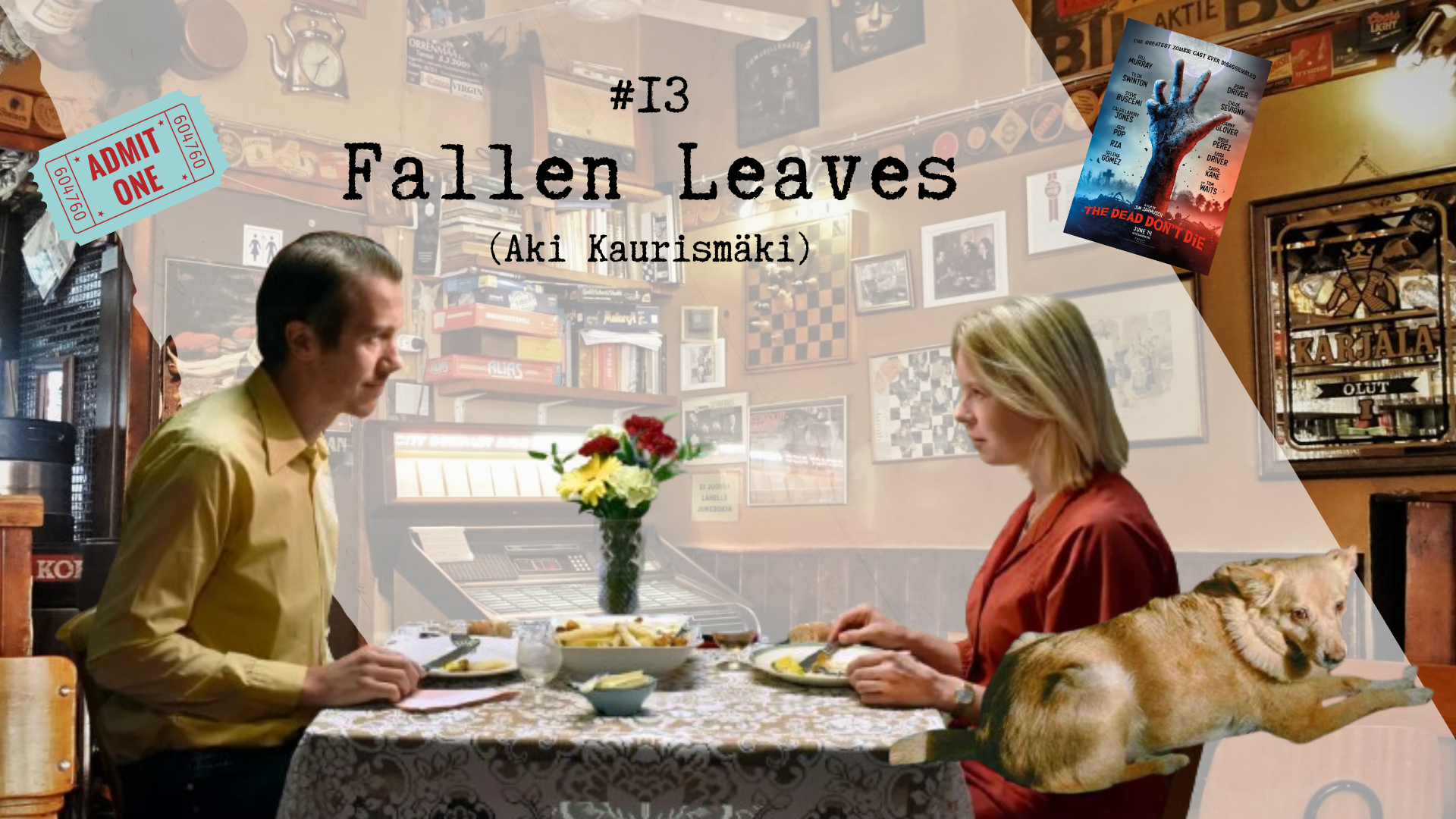
What happens when two profoundly lonely people find themselves falling in love, only to realise that they are both hopelessly ill-equipped to have a relationship? In a surprise return to the medium after announcing his intention to retire years ago, Aki Kaurismäki makes one of his best films in the form of Fallen Leaves, a tender and heartfelt comedy about the fickle nature of reality and how all it takes to lose a connection is a small mishap. It is superbly well-performed (with Alma Pöysti and Jussi Vatanen delivering standout work) and written with such incredible heart and soul, it reminds us of why Kaurismäki truly is one of our greatest living filmmakers, and someone whose perspective on life and philosophy has changed the way we look at cinema as a whole since no one has managed to be simultaneously so compassionate and misanthropic, which is all part of the appeal of this film, which represents the very best the director has to offer. Hilarious and heartbreaking, you’ll find few romantic comedies that carry more meaning than this one.
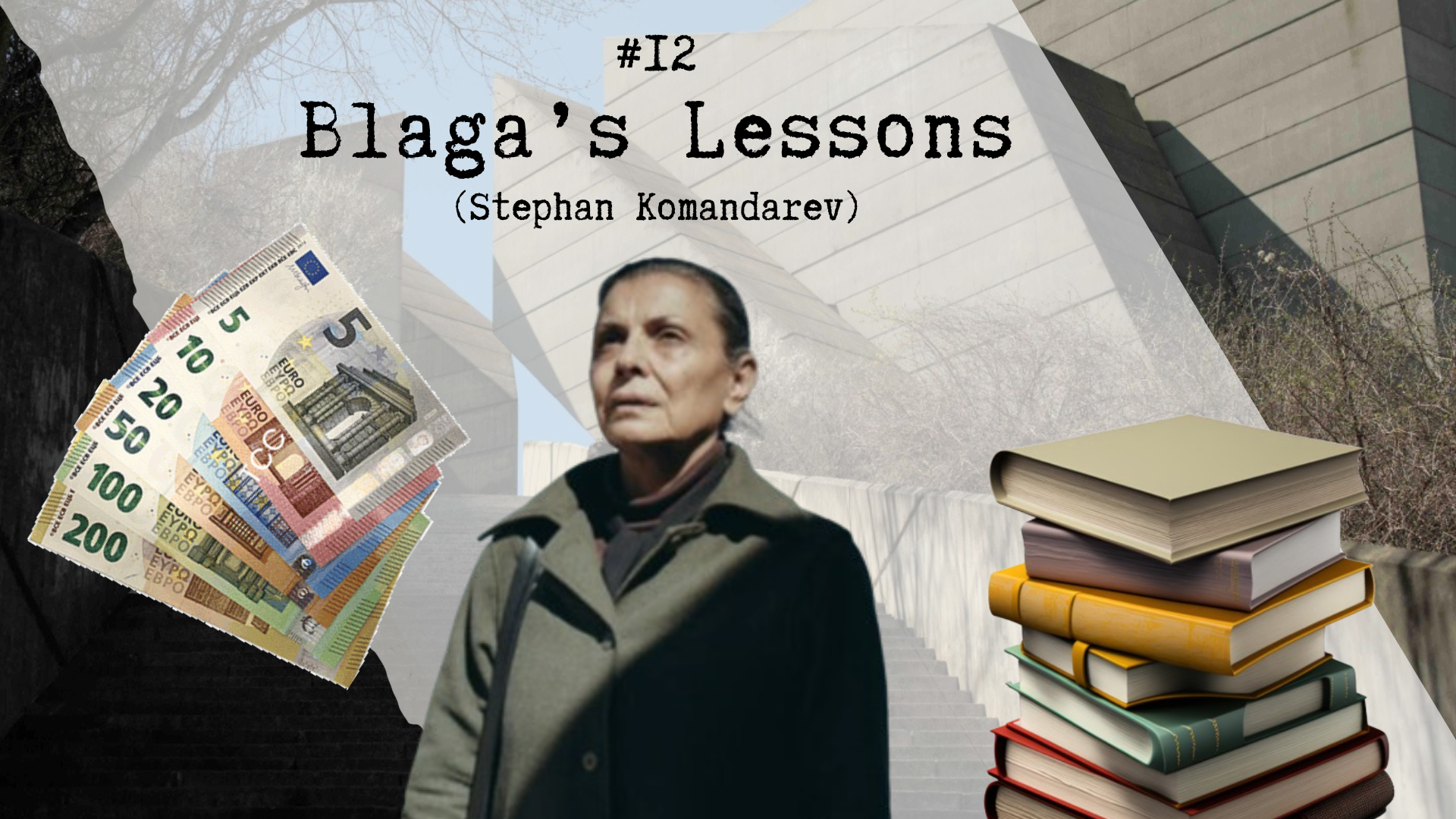
Nothing can derail one’s life quite like being fooled. What could be a harmless prank, or even an act of petty crime, can actually spiral into something far more dangerous. This is the premise of Blaga’s Lessons, in which Stephan Komandarev crafts a harrowing and bleak depiction of the kind of manipulation many people face at the hands of confidence scammers. Anchored by a performance by the incredible Eli Skorcheva, who delivers the best work out of any actor in the past year, the film is a disquieting existential odyssey in which we see a woman driven to the very edges of sanity after being taken advantage of, not realizing that this would be the beginning of a new chapter in her life, where she finds herself sacrificing her previously impeccable morals in order to survive in a world simply not designed for people like her. Harsh and brutal, but very poetic in how it captures a stark depiction of desperation, the film is extremely effective.
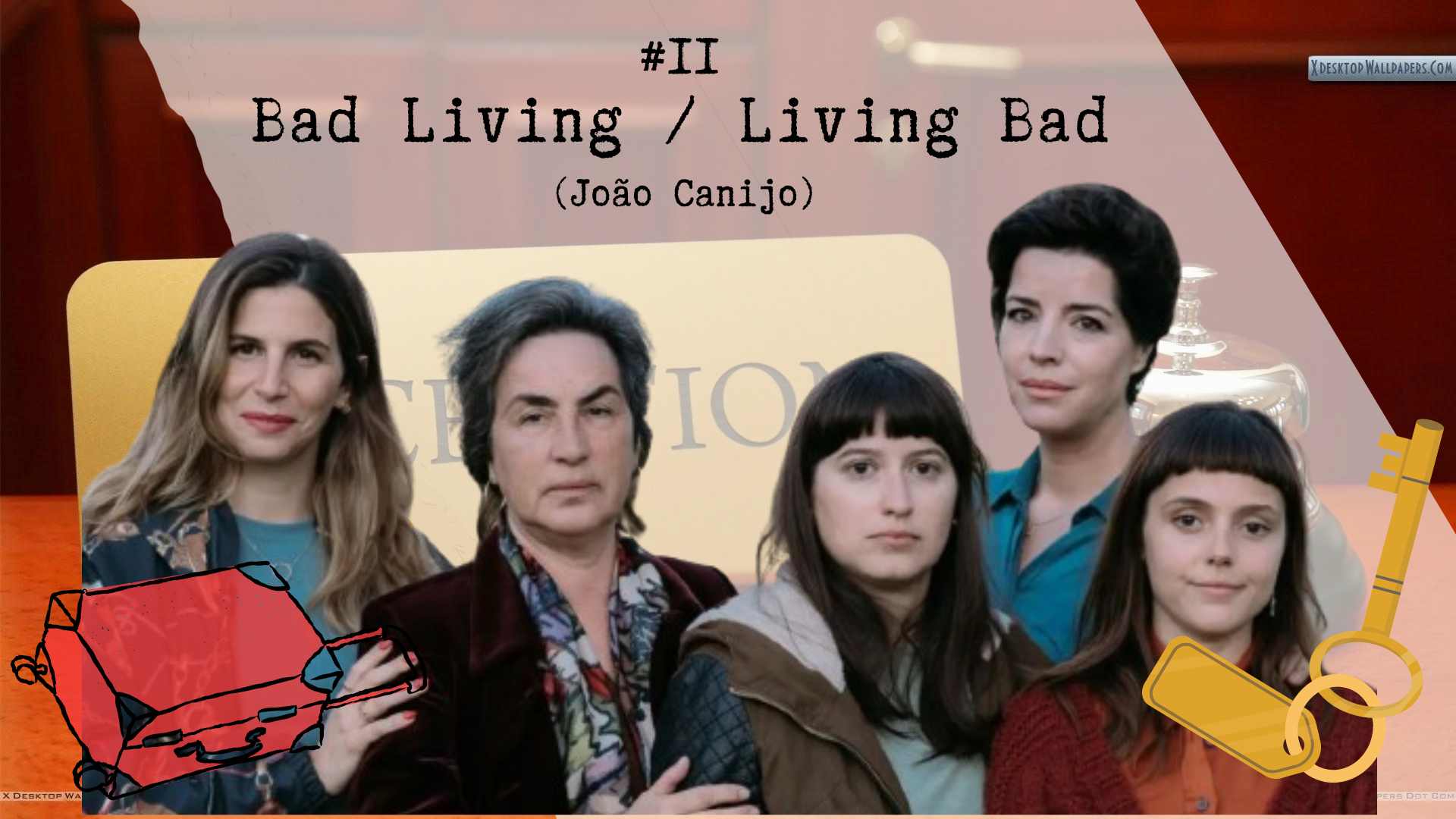
Cinema is an art form designed to present one perspective at a time, which is the standard but can lead to sometimes limited storytelling in some contexts. João Canijo is incredulous at the idea of only presenting one side of a story, as evident in his diptych that consists of Bad Living and Living Bad, both of which centre on a hotel somewhere in central Portugal. The first film follows the owners and staff as they deal with interpersonal conflict while still trying to give their guests a memorable stay, whereas the second splits the perspective and focuses on the visitors and how they handle various challenges that they bring to what is supposed to be a peaceful break. Darkly comedic and quite bold in its vision, we see different sides of the same events, and regardless of in which order we watch it, we find value in every frame of this astonishing and complex drama that presents a different view of the human condition.

Satire is like film noir – it’s not always easy to define, but you certainly know it when you see it. Cord Jefferson’s directorial debut American Fiction is about as subtle as a sledgehammer to the forehead, but yet this was the entire point – creating an absurd account of contemporary perceptions of race and identity, and how they interweave with the arts, which amounts to a detailed and bitingly funny evisceration of the modern literary world. In between these moments, Jefferson crafts a tender, moving character study that brings out the best in actors like Jeffrey Wright, Erika Alexander and Sterling K. Brown, all of whom occupy this bitingly funny satire that is as heartfelt as it is scathing, a rare feat for any filmmaker to accomplish, especially in a debut.
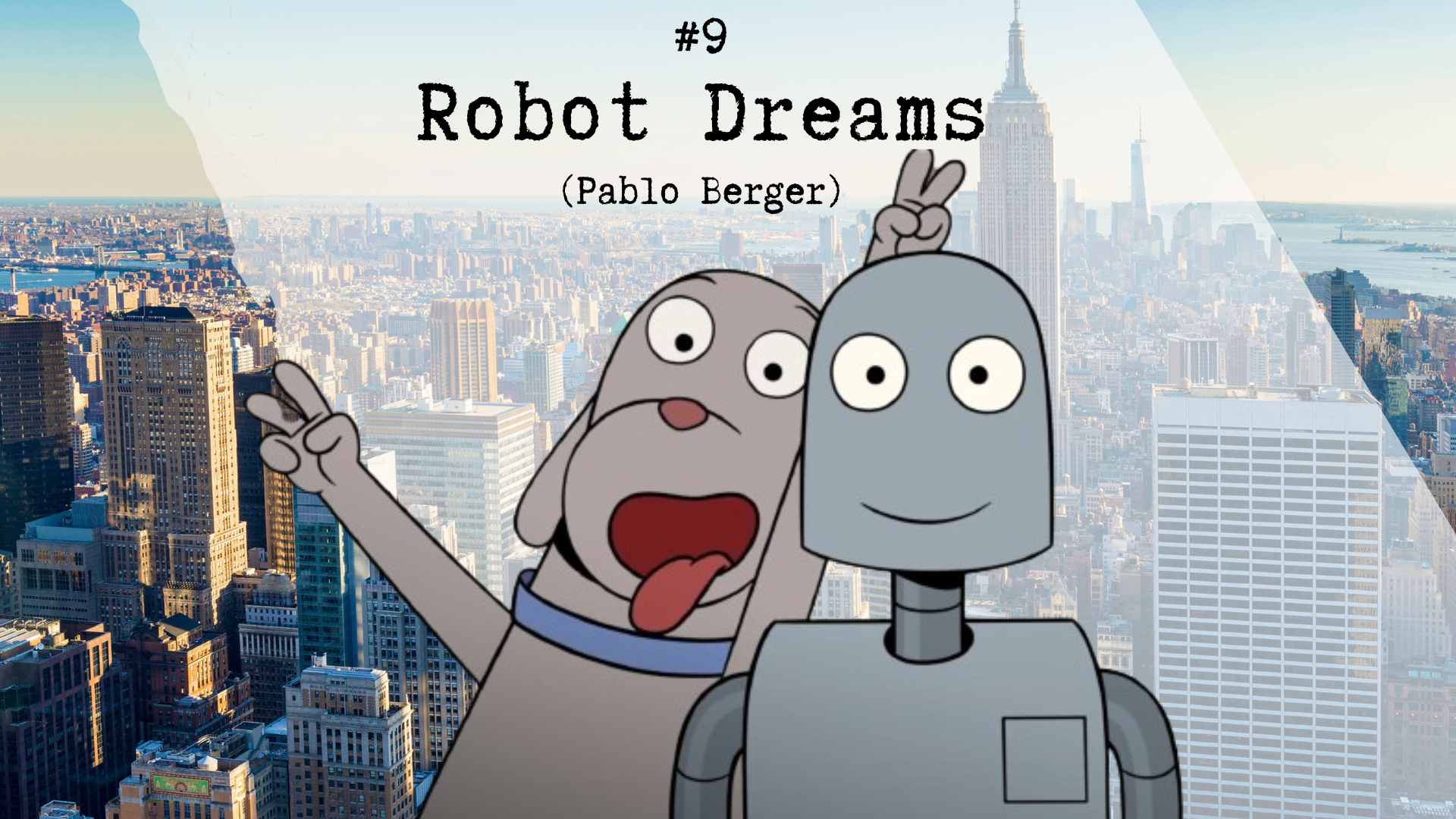
Words mean a lot, but there are some examples where the most meaningful sentiments are those that exist without a single utterance. In Robot Dreams, Pablo Berger explores the subject of friendship without a single word being spoken between the two protagonists, a dog and his robot. The colourful animation and striking design of the characters may mislead us into thinking this is merely fare for younger audiences, but once we immerse ourselves in the story, we discover it is one of the greatest depictions of friendship – particularly the realization that companionships don’t always last forever – ever committed to film. Beautifully made and genuinely complex in how it explores a very difficult subject, it’s one of the few true animated masterpieces of the past year, and a film that only gets better the more you revisit it, with every frame hiding unique and complex details that enrich the experience and make it all the more charming.
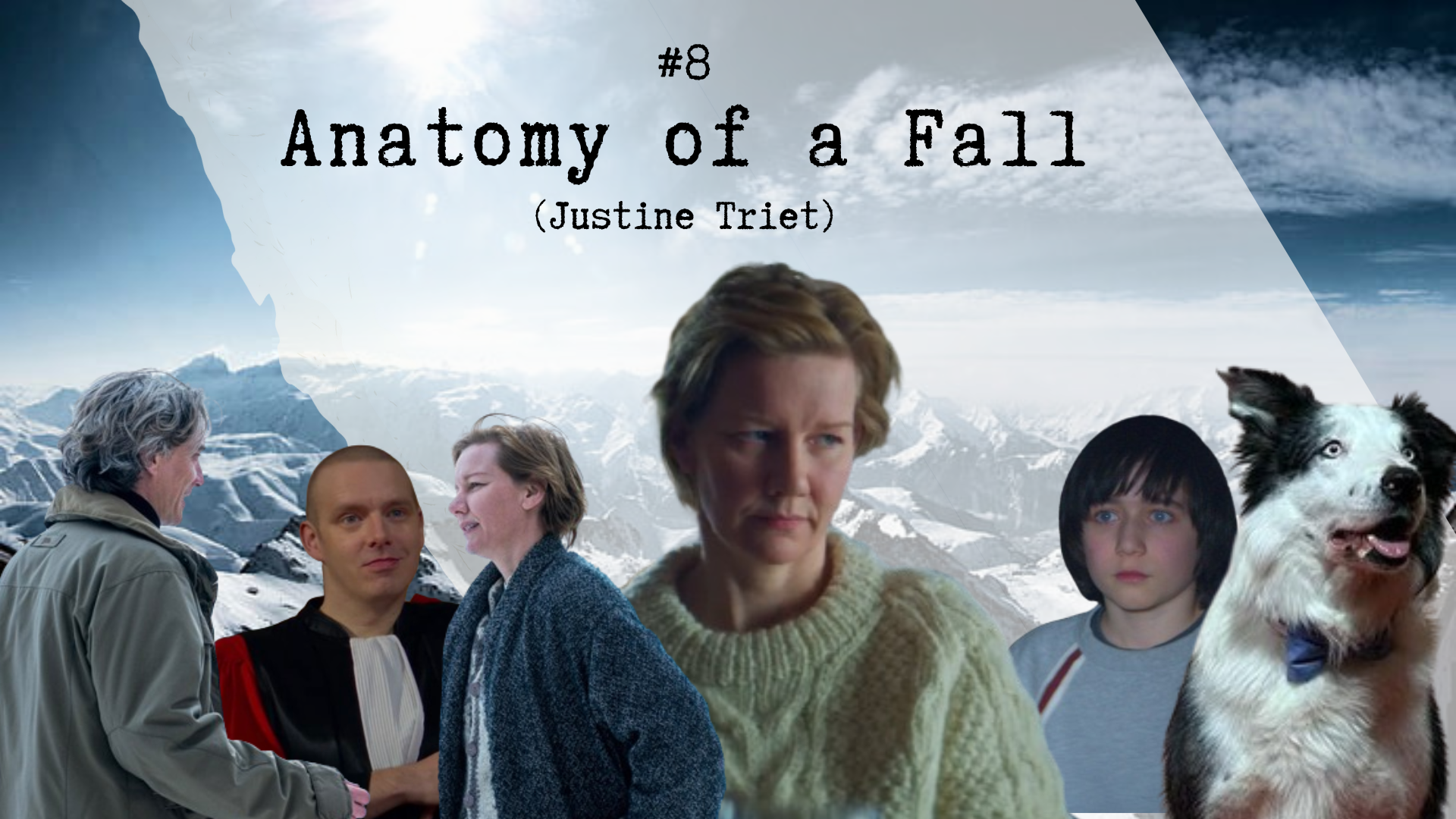
Justine Triet has been working for years to define herself as one of the boldest cinematic voices in European cinema, and she may have just made her masterpiece in the form of Anatomy of a Fall, a fascinating blend of marital melodrama, courtroom thriller and murder mystery. A perfect example of how a film can present multiple potential solutions but not be about the answer but rather the journey we take to get to that point, it’s a fascinating drama that is anchored by an exquisite performance by the always fantastic Sandra Hüller, who has finally received the global exposure she has been due to get for over a decade, where her gifts as one of the most versatile and interesting actors of her generation have been sharpened. Complex, invigorating and deeply compelling in terms of both the story and its execution, the film manages to be a personal peak for everyone involved, and truly an exceptional piece of filmmaking that stands as one of the year’s most polished, accomplished thrillers.

In a sun-baked corner of the Italian countryside at some unspecified time in the past, a group of cheerful marauders make their way through caverns and orchards, looking for artefacts left over from antiquity. These are the protagonists of Alice Rohrwacher’s achingly beautiful, meditative La Chimera, which tells a love story in the form of a morality tale. The scruffy hero makes his way through some of the most gorgeous landscapes ever committed to film, and we find ourselves falling deeply in love with these characters as they venture through the world, looking for nothing but love and a few gold coins that help sweeten the deal. Rohrwacher is one of our greatest living artists, and the intricately woven, complex character study that is both melancholy and funny only makes it more clear how important she is to the current cinematic landscape, this being one of her defining masterpieces.

One of the greatest cinematic experiences I have had was in August of 2023 when I attended the Sarajevo Film Festival. The opening night film was a mostly obscure documentary about the Siege of Sarajevo, and how U2 worked closely with a team of volunteers in the besieged city to have their story told. Thirty years since the events depicted took place, the scars of the war remain embedded in the city, but being surrounded by thousands of people, witnessing this incredible footage designed to both inform and entertain, was an unforgettable experience. Beautifully complex and genuinely moving in ways that will surprise a lot of viewers, there aren’t many documentaries that stir such vivid emotions, whether it was watching it while seated at the heart of the city, or simply because Nena Cicin-Sain made an incredible film, Kiss the Future is an astonishing achievement in terms of both form and content.

No one makes films quite like Yorgos Lanthimos, which is why he has risen to the status of being one of the most intriguing directors working today. Having directed several of the most acclaimed films of the past decade, he continues to forge a path built on choosing the most original concepts, whether those that come from his own endless imagination or are based on the brilliant work of others. His latest offering finds him working on an adaptation of Alasdair Gray’s masterful, Frankenstein-infused dark comedy, Poor Things, in which he pushes his skills further than they have ever been in the past. There are images and sounds in this film that have never existed before, and the design from beginning to end is impeccable. Beneath the visual splendour is a touching and complex story of a young woman making her way through the world, trying her best to gain a sense of agency and coming to learn the true nature of what it means to be alive. Complex, engaging and bitingly funny, and driven by a genuine sense of pathos that interweaves splendidly with the visual components, Poor Things is a masterpiece.

Do we live to eat or eat to live? If you ask Miss Novak, the newest hire at this elite private school, she’d probably tell you neither. Club Zero is an experience like no other – handcrafted by Jessica Hausner, a filmmaker who has never adhered to the conventions in any discernible way, the film is a merciless blend of darkly comical social satire and haunt body horror, the kind that makes us feel repulsed to our very core. Led by an astonishing performance by Mia Wasikowska (who has never been better) and a promising cast of young actors, and driven by the kind of bleak, minimalistic humour we rarely find in contemporary cinema, Club Zero is a truly wild experience, the kind that we are not soon going to forget, especially when it comes to how it handles some of its more troubling subject matter. Hausner is a genius filmmaker, and this only consolidates her place as one of the most exciting contemporary voices in cinema, since not many directors would be able to create something so disturbing yet delightful.

Science fiction is a genre that has formed the foundation of cinema, but which has oddly rarely factored into my lists, as it is not a genre I usually find to be entirely memorable. This changed with Thomas Cailley’s exceptional and captivating The Animal Kingdom, which provides a depiction of a dystopian future in which a strange infection begins to form human-animal hybrids. One of the rare films that indirectly addresses the pandemic, but which also proves to be an extraordinary account of humanity as seen through the eyes of a group of people trying to survive this plague, the film is astonishing. A masterclass performance from the exceptional Paul Kircher (who we previously saw in Winter Boy, one of the best breakthrough performances of the 21st century), as well as brilliant special effects and a genuine sense of empathy on the part of the director, makes The Animal Kingdom an extraordinary piece of filmmaking, and one of the best science fiction films of the decade.
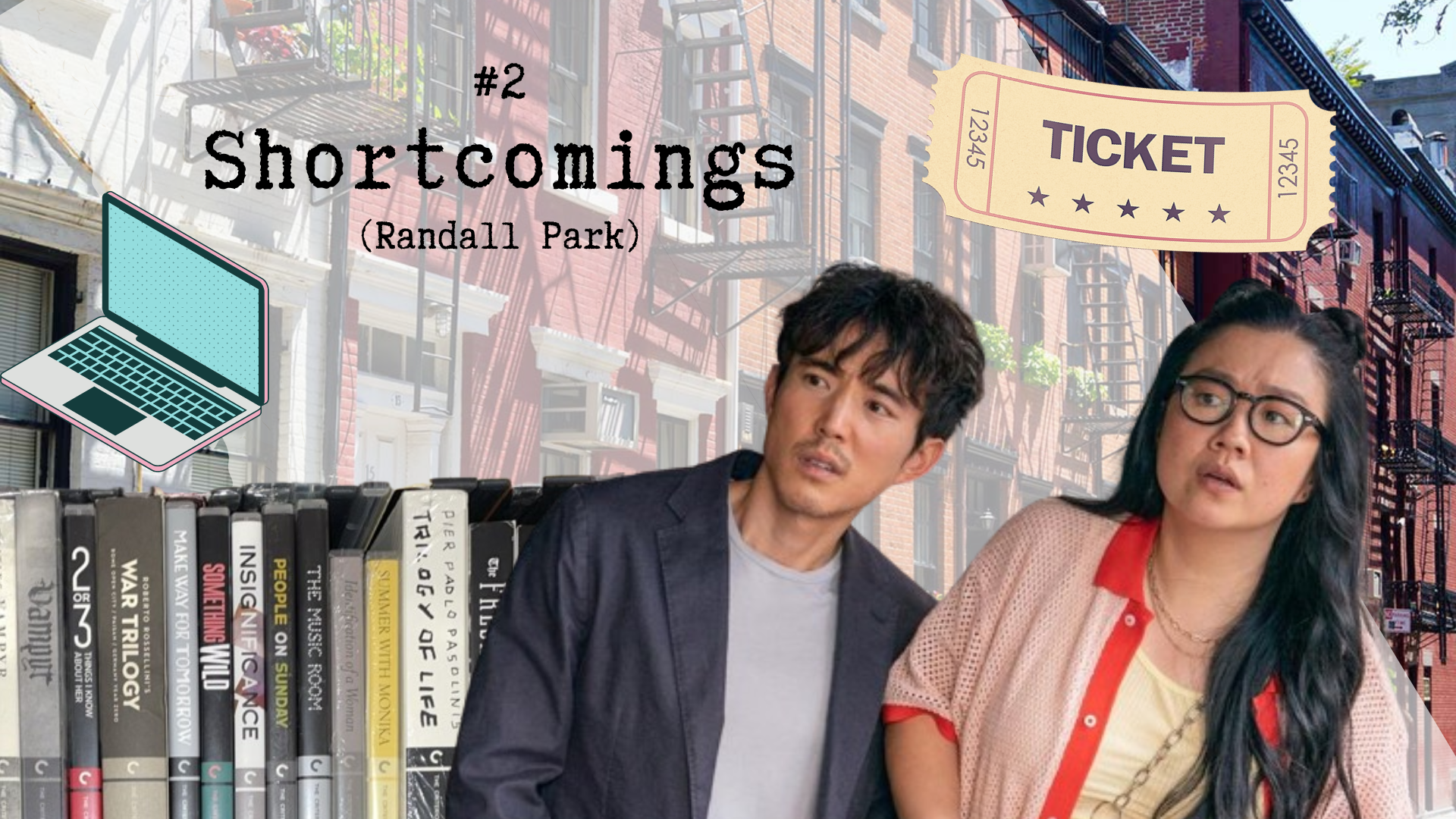
At some point in all of our lives, we find ourselves questioning ourselves and our place within the world. It’s even more difficult of a process for those of us who are more artistic since it can be challenging to go through life with the mind of a creative person, especially one who spends their days disappearing into entirely fictional worlds. This is what the protagonist of Shortcomings endures, with Randall Park proving to have the best directorial debut of the year. A complex, engaging and deeply funny comedy about a man who would rather spend all day watching films that deal with life is something to which far too many of us should be able to relate. Anchored by an extraordinary performance by the delightful Justin H. Min, and featuring one of the smartest and most insightful scripts of the year, Shortcomings is an astonishing and captivating work that ventures deep into the mind of one of the year’s most fascinating protagonists and emerges as something that will resonate with many viewers and, most importantly of all, assure us that we are not alone in these existential quandaries that can emerge from time to time.

Without any sense of hyperbole, Radu Jude is one of the most original voices in contemporary cinema, and a truly bespoke talent that seems to be on the precipice of changing the industry. He’s been working a while, and he’s certainly not a greenhorn. Yet, it feels like it has only been in the past few years that he has managed to accumulate enough passion to be considered a major auteur, or at least the attention that he deserves. Do Not Expect Too Much from the End of the World is a work of sheer genius – from its first moments, it is clear that this is something entirely different to anything we have seen before. Firstly, Jude continues to prove his outright incredulity towards structure, choosing to craft this film in as truly unique a manner as possible. He touches on subjects that are both timely and historically resonant, and every frame feels present and urgent in a way that is deeply challenging and profoundly strange, and there isn’t a moment where we are bored. How often do we find Nina Hoss and Uwe Boll appearing in the same film, especially one based around the idea of satirizing not only politics but the entire human condition as a whole? Executed with devil-may-care precision and driven by a genuine sense of chaos that no other working director has been able to capture to date, Jude has made not only the best film of the year but possibly the greatest of the current decade.
With that, we are brought to the end of our celebration of the best films of 2023, and allows us to put a button on an exceptional year of cinema. Like every year, I’m astonished and in utter awe of the diversity of work, ranging from veterans to newcomers, ranging in language, genre and perspective. Cinema continues to change, and while there are just as many failures as there are successes, we find ourselves being captivated by the potential this medium still has. Now we patiently wait to see if 2024 will continue this streak, and once again embody the pure magic that makes this an artform that we all adore.
 The Postmodern Pelican