
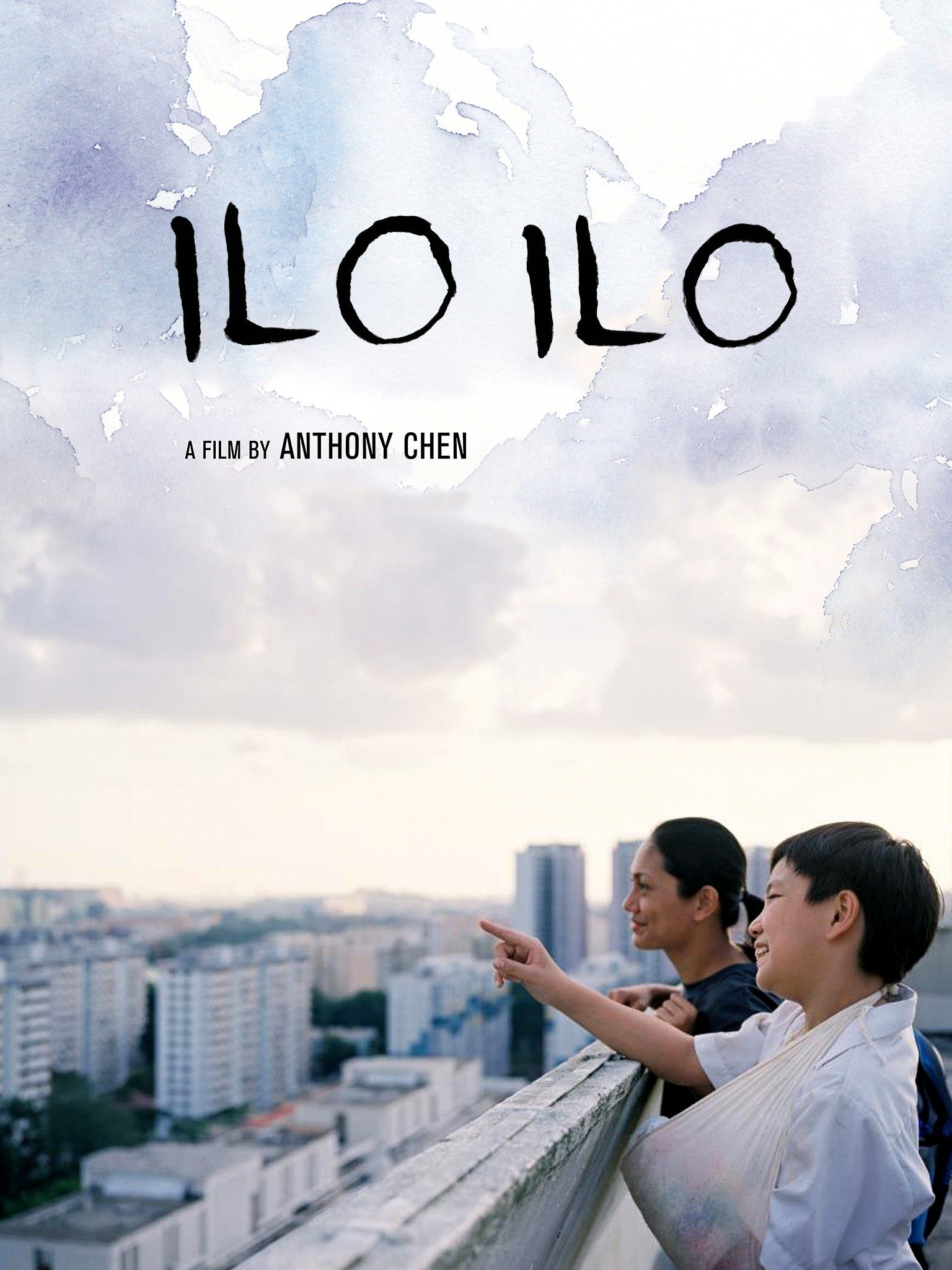
Motherhood is difficult, especially when you’re taking care of other people’s children. This strange assertion is the most simple way to describe Ilo Ilo (Chinese: 爸媽不在家), the ambitious directorial debut of Anthony Chen, who handcrafts a delicate and meaningful ode to the human condition, specifically the many countless women who have taken it upon themselves to occupy maternal roles, regardless of whether they are a biological mother or not. The film focuses on the trials and tribulations of a young Filipino made who is hired to help a Singaporean family with their daily activities, particularly working as a caretaker and nanny to the couple’s rebellious son. It’s through this delicate and simple approach to humanity that Ilo Ilo is most profound, digging deep into the roots of our everyday lives, and offering us meaningful glimpses into the past, present and future life of this family, who are only starting to develop a clear sense of direction after being caught in one of the most challenging economic moments in their country’s history. Beautifully constructed and made with both a textual and visual poetry that elevates the material beyond the point of just a basic human drama, Ilo Ilo is something extremely special, which comes through in the most poignant moments, where Chen captures the raw spirit of our general lives, and the methods we take to survive a world that can often be unforgiving and hostile, regardless of our status, which many continue to use as justification to divide themselves, even when occurring in the same socio-cultural group.
The Chinese title of the film roughly translates to “Mother and Father Are Not at Home”, which is a good starting point for understanding Chen’s intentions in crafting this film and telling this particular story. The narrative hinges on the two primary characters, the troublemaking, rebellious young son of a middle-class couple, and the shy but hardworking maid who is hired to take care of him, as well as other household activities. This is where the film thrives, occurring at the perfect intersection between two major themes. In bringing these themes to life, Chen is working with a quartet of very gifted actors, each one of them standing out in some way. Angeli Bayani and Koh Jia Ler are the highlights, acting as the de facto leads, and the dual perspective that serves as the foundation of Ilo Ilo. Despite coming from different backgrounds and being divided by an enormous gap in age, they prove to be a formidable duo, a pair of powerful characters that carry a deep and vital message about overcoming differences in favour of constructing a strong relationship built on a shared humanity, rather than an unfair set of cultural quirks that barely string them together as recognizable people. There’s also a terrific performance by Yeo Yann Yann, who plays the stern but still deeply caring mother who wants to be there for her son, but with another child on the way, and the growing pressure of her country’s economic problems, she has no choice but to look elsewhere for some assistance. Ilo Ilo is at its most meaningful when it is saying something impactful, and these three actors (as well as Chen Tianwen , who isn’t as prominent but still leaves a very deep impression), do exceptionally well in constructing these deep conversations that build very organically.
Ilo Ilo is a film primarily about cultural differences, and how they are often an insurmountable boundary. This is one of the aforementioned baseline themes, which focuses on developing the story along the logical lines of inquiry that would come about as a result of such stories. The contrast between a working-class Filipino and her semi-wealthy employers, is fertile ground for both a sweeping analysis of the economic system that divided the population into various strata, and for a deeply human exploration, a poignant unveiling of some universal truths that relate to our existence, even if we personally haven’t endured nearly as many hardships as these characters. What starts as a heartbreaking culture clash drama turns into a very poignant and moving exercise in comparing two cultures, not only as a way of showing the radical differences that would exist around them, but also the more binding components of such a dynamic, which is beautifully constructed by this film. Culture is a vital component of films like Ilo Ilo – without a deep understanding of the various traditions, customs and dominant mindsets, audiences from outside these groups would never be afforded the opportunity to encounter these cultural nuances. Chen does very well in capturing the spirit of a particular time and place, channelled almost entirely through his characters, who are played beautifully by the very dedicated actors found at the heart of this film, and who help define the direction the film takes quite frequently. They evoke the spirit of individuality, but also manage to be extremely profound in how it often digs much deeper to find common ground that exist between the characters, which is the most profoundly meaningful aspect of this film, and the element that helps it become such a fascinating text on cultural differences, and how they don’t always need to be the root of hostility.
Looking at a more specific level, the second major theme of Ilo Ilo arrives in the form of Chen’s approach to looking at motherhood. This is perhaps the most basic concept, since its present from the first moment. The character of Jiale comes to have two maternal figures in his life – his preoccupied but loving mother, and the nanny hired to look after him. They’re two radically different people, and vary in their styles of disciplining the unruly young boy, with the former being far more strict and lacking the patience that Terry seems to embody. The film finds a lot of space to comment on their different approaches, so much that it begins to become quite tense, both women doing their best to give this child a considerable push forward, without realizing that there is far more to caring for a child than simply expecting them to adhere to the same standards. Chen doesn’t force us to empathize with one character over another, since even the stern Mrs Lim has her moments of deep humanity, and the adorable Terry put in situations where her own moral grounding is tested. Ilo Ilo avoids cliche by working hard to portray its characters as meaningful, fully-formed individuals, rather than loose archetypes, and for the most part, it manages to be relatively successful, at least in terms of the small details that make them so unimpeachably human. Motherhood is a common subject, and Chen may not be doing anything too radical other than crafting a very straightforward and realistic drama about the varying maternal influences in the life of a young child – but it is precisely in this simplicity that Ilo Ilo thrives and becomes such a poignant exploration of the human condition.
Ilo Ilo is a special film based on its incredible approach to deconstructing ideas that many of us take for granted. Chen was propelled by a deep sense of undying compassion, framing each of his characters as flawed but inherently good people who only want the best for themselves and those around them. There is a lot of tension underpinning this film, but none of it is forced – instead, we have a very unique style of character-driven drama, but the smallest flaws are explored in contrast to bigger themes, which serve as the backdrop to their interactions, which only grow more intense as the events at the heart of the film starts to erode their happiness. It’s a film that is both heartbreaking and uplifting – Chen doesn’t give us the happy ending that we crave, but rather the satisfying resolution that we needed. The lack of overwrought commentary and unnecessarily heavy-handed emotion only proves how the most simple stories often carry the most substantial meaning. It’s a small, intimate approach to the narrative process, and seemingly something that Chen has an enormous talent in exploring – and his incredible understanding of social issues, combined with his heartful approach to portraying ordinary characters in situations that challenge their resilience, only serves to make Ilo Ilo an even more wonderful social drama with a lot of soulful understanding of broader issues, presented through a very intimate lens.
 The Postmodern Pelican