
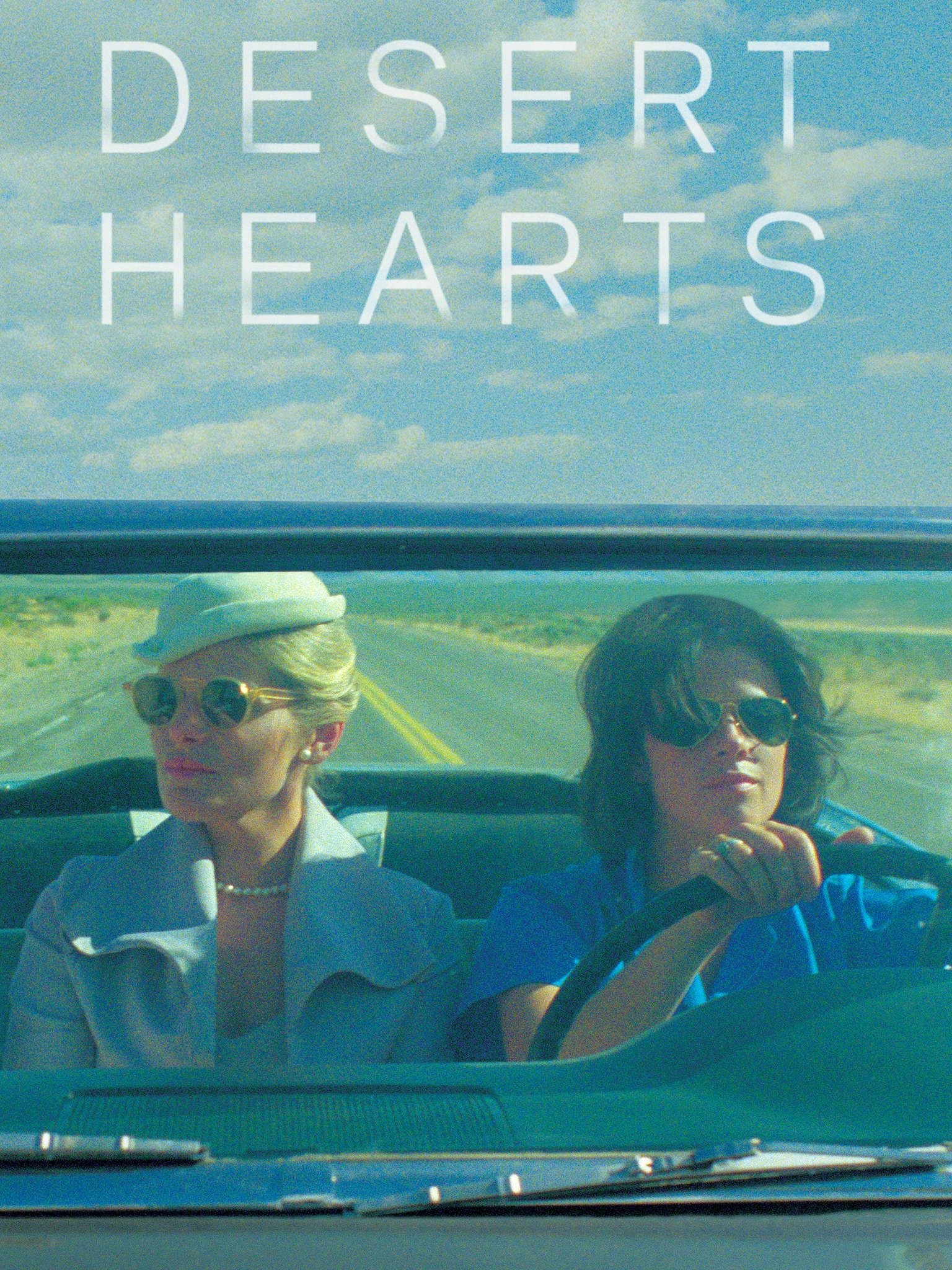
Queer cinema has undergone quite a revolutionary leap forward in the last quarter of a century, with many filmmakers being given the platform to make films that don’t relegate the LGBTQIA+ community to the sidelines, but place them front-and-centre as the leads of their own stories. This is a movement that is still very much developing, especially in terms of recognizing that a barrier has been crossed, but the next one that needs to be surmounted is one that allows queer people themselves to play these roles and have their voices heard, rather than having those outside their community make these films or play these roles, which is still a relatively common practice, even if the industry has substantially improved in this regard. However, leaps have been made that were not imaginable a few decades ago. However, this doesn’t mean that these stories are a new phenomenon to film, as there are many formative works that were produced long before these issues were normalized and found quite regularly in cinema. Looking at previous decades, we can see several very interesting works that look at queer issues, perhaps not being as widely seen at the time (since they were normally independent productions), or simply just not have the resources to infiltrate into the public consciousness. However, hindsight is always a useful tool, since it allows us as a film-going community to look back and find the masterpieces that have been obscured from view for far too long. Desert Hearts, the extraordinary film by Donna Deitch, is quite simply one of the greatest films produced on the subject of queer romance, occurring quite a few years before more popular works like Carol or Blue is the Warmest Colour (and countless others), that owe an enormous debt to Deitch for contributing one of the most essential entries into the canon of lesbian cinema, a film that may not have been appreciated as a masterpiece at the time, but is mercifully receiving that acclaim, albeit three decades later. If there was ever a film the proved the maxim of “better late than never”, Desert Hearts would certainly be a contender.
In the late 1950s, Vivian Bell (Helen Shaver) is a mild-mannered English professor who makes the long journey from New York City to Reno for the sake of getting a quick divorce from her husband. When asked why she wanted to end their marriage by any of the characters she encounters on her journey, Vivian isn’t quite sure – ultimately, she resorts to just stating that she wants to be herself, and that their marriage was one that was purely professional, their shared careers binding them together in much the same way a child would. While staying at a remote ranch, run by the exuberant Frances Parker (Audra Lindley), a sage older woman, Vivian comes to know Cay Rivvers (Patricia Charbonneau), a feisty and spirited younger woman who immediately finds the ranch’s newest guest endlessly fascinating. However, their friendship gets off to a rocky start when it becomes clear they have completely different personalities – Vivian is a quiet, reserved woman who is just hoping to spend a few weeks in Nevada before finalizing her divorce (as the terms of ending her marriage require her to take up temporary residence in the state), while Cay is filled with energy, and constantly tries to get her new friend to break out of her shell, which isn’t particularly easy. However, when the breakthrough finally happens, the two women grow extremely close, which is only exacerbated by the fact that they appear to be falling deeply in love. However, Vivian refuses to acknowledge these feelings, despite the fact that Cay is accepted in the community, who don’t seem to have any issues with her being very open with her sexuality. Caught between societal perceptions and burning desire, the two women deal with their growing emotions for one another, hoping that they can use the space they have formed in the other’s hearts to find some meaning in a world that simply doesn’t make much sense to them.
Something that has become quite notable in discussions of representing desire on film (especially in regards to relationships between women), is that several of these works are directed by men, and even while their intentions may be entirely good-natured, there is a lack of the female gaze that makes the difference in many instances – it is a tricky subject to discuss, but its an essential one, especially when looking at how representation manifests not only in the stories that are told, but the intricate details that come about in their execution. Not only was Desert Hearts one of the first explicitly queer films made at the time, it was a pioneering work directed by an openly gay female director, who inserted a great deal of depth into this story between two women falling in love in the 1950s, in a time and place where their romance was considered taboo, subject to the overriding heteronormative belief that such desires should be kept out of view, if not eliminated overall. The director clearly had a personal connection to this story, if only on virtue that there were very few, if any, films produced at the time that were so open with their discussions on queer desire – this wasn’t the first film to contain homoerotic undertones, or to hint at some sexual tension between the characters. However, it was a formative one in terms of being very open, using terminology and representing the passion between the women as not something to be ashamed of, but rather to appreciate and explore with fervency. Finding one’s identity is always a cause for celebration, and Deitch removes every moment that indicates that what the two protagonists are feeling is in any way inappropriate or justification for bigotry. Desert Hearts is a proudly queer film, one that shows that deviating from what is considered “normal” by patriarchal standards is not a reason to be shunned, but rather a means to stand out and celebrate one’s own individuality, which is so beautifully conveyed in every passionate frame of this film.
Desert Hearts is a story told through both bold narrative choices (with the simple but affecting story leaving an incredibly profound impression), but also through various meta-languages of love, such as a longing gaze, a lingering touch, or a quiet explosion of internal passion, manifesting in the two leads’ and their constant pursuit of the humanity lurking beneath the surface of two unforgettable characters. This is a dialogue-heavy film, but many of the most moving moments come across without a single word being uttered, with the emotions delivered through subliminal expressions of love between the characters. It’s a gorgeously complex portrayal of romance, culminating in a love scene between the two protagonists that is the perfect blend of tender eroticism and simmering passion, which comes across as delicate and insightful into the growing love between the two women, rather than a moment of sexual expression placed in the film for the sake of consolidating the fact that these women have feelings for one another. By the time we reach this point, these characters have already been deeply in love for nearly an hour of the film, with this moment just taking them to the next stage of what they are both quietly hoping will be a meaningful relationship, one that makes them happier than any of the others they have been through in the past. Desert Hearts is filled to the brim with moments of fragile humanity, and Deitch doesn’t avoid openly expressing the passionate love these characters have for one another – it isn’t always pleasant, since this is a film not only focused on showing these two women growing to love each other, but also one about overcoming social stigmata that threaten to derail any hope they have of having their relationship recognized as valid by society in general.
Desert Hearts is also beautifully performed, with a trio of magnificent actresses playing the central roles, each one of them distinct and vivid in their humanity, with the writing avoiding turning them into caricatures or archetypes. Helen Shaver plays the quiet university professor who finds herself surrendering to her desire to get a divorce, and travelling to the other side of the country, driven by her conviction to start afresh. Patricia Charbonneau is the free-spirited young woman she meets (quite literally) on the road to salvation. Both actresses are absolute revelations – it’s difficult to imagine two performances from relative unknowns that left such a profound impression, they immediately establish themselves as stars from the moment they step on screen. Part of the success of this film comes in Deitch’s writing, which doesn’t ever resort to stereotyping, instead going to great lengths for the sake of developing them as fully-formed characters. The actresses have impeccable chemistry, and play off each other with a vivacity that we don’t normally see, even in the most acclaimed romantic comedies. They bring out both the humour and pathos in these roles, and through working hard on their own characterization manage to boost the performance of the other, creating a symbiotic working relationship that is simmering with authenticity and well-composed soulfulness, which we don’t often see in such a raw, honest state. Audra Lindley rounds out the main cast, playing the stern owner of the ranch who finds herself unwillingly a participant in a relationship she disapproves of – but instead of portraying Frances as a one-dimensional villain, the film provides a sense of mystery to the character, never fully revealing who she is, or what her relationship is with Cay. It leads to questions about whether Frances herself has had similar experiences, but wasn’t nearly as welcoming to these feelings, causing her disdain for the lifestyle. The three actresses are incredible, and while they did do other work (Lindley in particular was a very recognizable character actress), Desert Hearts features very special performances from each one of them, which means a great deal when working with such tricky subject matter.
Desert Hearts is centred on the challenges of acceptance, both that of the wider community, and by oneself, since it’s impossible to love someone else when you struggle to love yourself. Through such bold and audacious commentary, Deitch made an honest, meaningful masterpiece that never feels like it is buckling to the pressures of an artistic landscape that implied only one kind of love was possible and valid enough to be represented on screen. Brimming with an ambitious sense of humour and filled with pluck and visionary intelligence, the film grows to be something extraordinary, being very much ahead of its time, while still a product of a particular moment in history, where acceptance was on the horizon, but still somewhat at a distance – this doesn’t imply that we’ve reached the elusive social promised land, but we have taken some bold steps forward over the past thirty years since this film’s release. However, it’s in the existence of this story, and the form in which it is delivered, that means the most – even by contemporary standards, its not as common to find these stories being told by representatives of their community, with many still struggling to have their voices heard. Independent cinema has been a sanctuary for these people, and as we have seen with Desert Hearts, one doesn’t need a predictable story or a cast populated by stars to make something resonant. All a film like this needs is heart, humour and the conviction to tell a story in as honest a way as it possibly can. Simple but profoundly moving, and carefully curated by a filmmaker with unprecedented vision, Desert Hearts is an absolute triumph, and a true masterpiece, not only of queer filmmaking, but of cinema in general, since it shows that absolutely anything is possible with the right amount of ambition and audacity.
 The Postmodern Pelican