 In 1881 Egypt, a small community evading colonial rule discover a hidden tomb, from which they slowly extract all the riches, buried with the bodies of long-deceased pharaohs, selling the items to those with an interest in rare and unusual items. One of the only people vehemently against these corrupt actions is Wanis (Ahmed Marei), a young man whose father was the head of this clan, but has recently died, and as a result refuses to condone the activities of his community, who justify their pillaging of the tombs as a way of bringing wealth back into the community. The only way for Wanis to give the deceased rulers the respect they deserve is to ignore the threats of the powerful individuals in his community and go directly to the authorities, who would hopefully give these items to the museums and historical institutions that would cherish them and use them to explore the history of the cultures of the region, rather than as the means of acquiring ridiculous amounts of wealth, which is all these artefacts seem to be used for by the fearlessly materialistic individuals who are using these precious items to bolster their own status and reputation. Caught between honouring the legacy of his community, and paying tribute to the culture that is being eroded by the greed of despicable individuals, Wanis finds himself in great moral conflict, always intent on doing what is right, but also preventing the inevitable threat of colonialism from encroaching on what is a culture that should be preserved, just like the artefacts he is so intent on protecting.
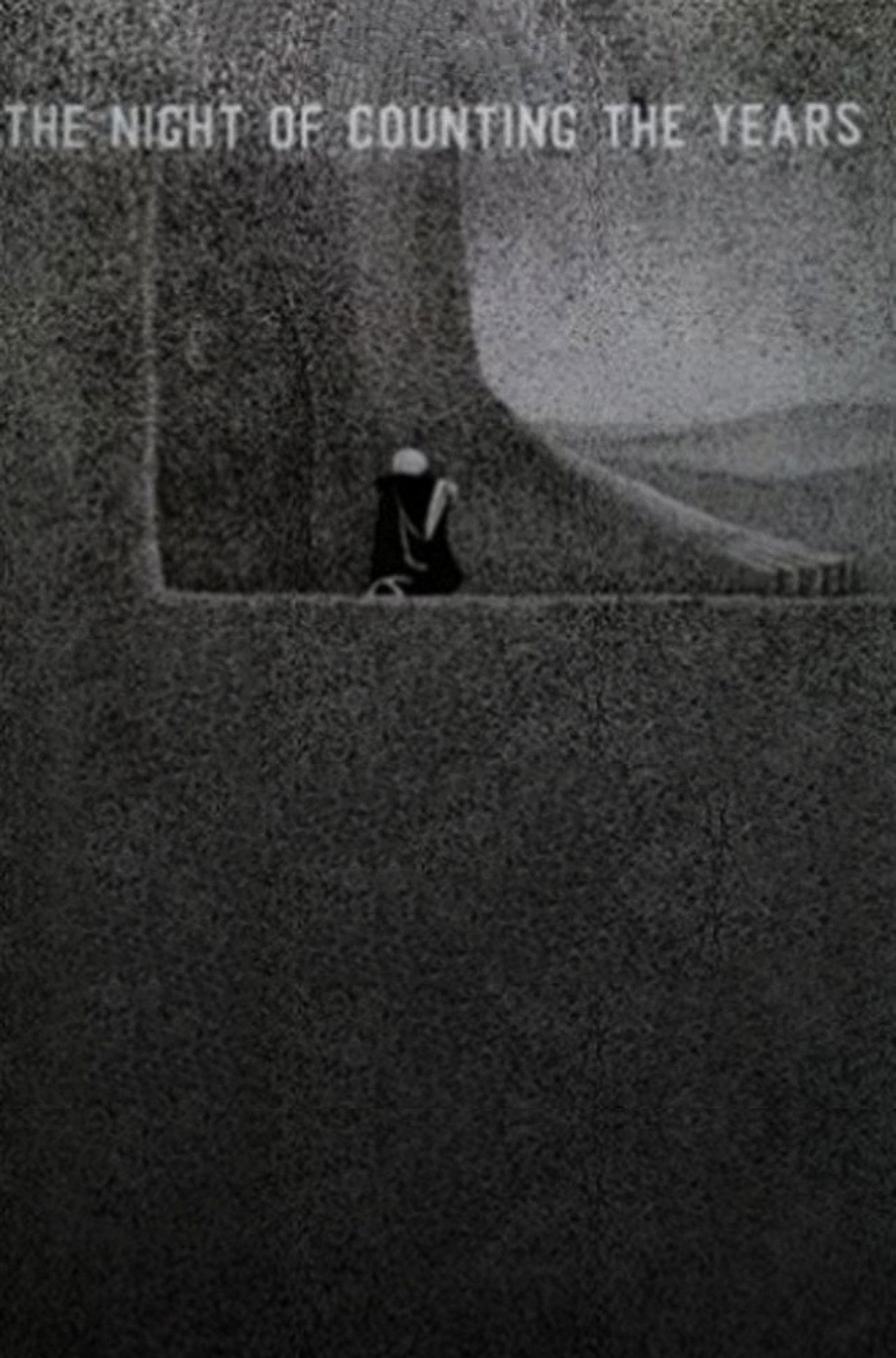
Taking his cue from real events that transpired in the late nineteenth century, Shadi Abdel Salam crafted one of the most powerful dramas to ever come out of Egypt, and by extent the entire continent of Africa, which has not often been given the platform to express themselves on a global cinematic scale that other nations have been afforded. Based on the discovery of a tomb that contained dozens of mummified bodies, and the material possessions they were buried along with, The Night of Counting the Years (Arabic: Al-Mummia) is a compelling social drama, delivered in the form of a towering historical epic, where the past intersects with a narrative drawn from more contemporary ideas, making the film a retrospective odyssey that seeks not only to represent the incredibly fascinating true story that it’s based on, but also demonstrating a keen sense of looking back at the period before the colonial project completely engulfed the continent, and where cultures were able to stand on their own without the influence of other nations. Salam’s work here represents the proverbial last stand of traditional Egyptian culture in the years leading up to British occupation, of which the nation stood right on the precipice and looks at the conflict between the growing European influence, and the importance of cultural preservation, two concepts that may seem to be obvious looking back, but were almost entirely incompatible during the period depicted here. Salam, in his only feature-length film, makes a daring drama that relies only on a compelling narrative and bolstered by incredible stylistic choices that come together to form one of the most fascinating tales of greed and cultural corruption ever made, and one of the greatest artistic achievements to come out of Africa.
There are many reasons why The Night of Counting the Years can be considered a masterpiece – not only is it an incredibly inspiring piece of filmmaking that glances at traditions rarely ever given much attention from a wider artistic standpoint, its also a masterful expression of the history of a cultural group that is hardly given the attention they are here, written and directed not by an outsider, but rather someone from within the culture depicted, a filmmaker whose knowledge not only of his nation’s history, but also of art and cinema itself, converge into this fascinating character study that ventures into true events in a way that is authentic and heartfelt, and where the director’s personal connection with this story informs the majority of what makes The Night of Counting the Years such a captivating work. Abandoning the sometimes troubling tendencies that outsiders bring to stories set in distant lands, and instead focusing more on the understanding of the subject that can only be provided by those who have an intricate knowledge of the culture, this film is an insightful, gripping drama that goes beyond the confines of the traditional historical epic, opting for a more unique approach, where the intimacy of the story, coupled with the idiosyncratic cultural context, makes for an oddly thrilling story that is as emotionally poignant as it is fascinating, and where the director is able to abandon many of the techniques that have made these kinds of films so overwrought in the past, challenging conventions in such a way that the story is engrossing without being manipulative or dull, and where the enthusiasm for telling this story and representing the culture as honestly as possible becomes paramount to the success. The director delivers a truly bewitching tale of intrigue and mystery that never falters, not even when it is clear that it is deviating from normative narrative standards.
It would be exceptionally easy to just view The Night of Counting the Years as a stuffy exploration of history without much to captivate the viewer – yet that would dismiss the fact that below the meticulously-paced story, there’s a powerful exploration of social issues that feels remarkably resonant, despite the film being produced over half a century ago, and furthermore situating itself within ancient times. The film defies its overly academic subject matter by being incredibly simple in its approach to a series of concepts that aren’t often portrayed with such outward lucidity as it is here. The Night of Counting the Years may be about the relationship between the antiquity and modernity, but it remains relatively straightforward, dedicated to its simple but effective premise that focuses on the influence history has one the present day, as well as how modern mindsets can often dismantle sacred notions, particularly when the importance of preserving the past becomes secondary to the temptation of greedy people who only perceive the past as a source of materialistic satiation. This manifests in how Salam engages with the work – instead of presenting something that focuses on either side of the conflict, the director goes in search of something more meaningful, where he represents the underlying principles and demonstrates them in a remarkably coherent way, where the film may present us with an almost binary sense of good and evil – the character of Wanis may be the only weak aspect of the film, as his lack of expressivity and almost static state of mind doesn’t contribute much to the film – but its endeavour to portray the events as a series of discoveries and revelations that the characters find themselves slowly coming into contact with, rather than a conservative historical film where the resolution is very clear from the start, and everything else is just actively working towards the conclusion, which is in itself a remarkable deviation from expectations, which may leave some more discerning viewers unsatisfied, but is the perfect ending to what is an incredibly challenging work of narrative semi-fiction.
Ultimately, The Night of Counting the Years is a film that operates as a magnificent cultural snapshot of a particular moment in history, but also as a film that looks deeper than the subject it is intent on portraying. Salam has made a film that focuses almost entirely on the simple concept of morality, which becomes clear in the film’s resonant approach to a story that could have otherwise been seen as a staid historical epic, rather than a lively, exuberant social drama. The Night of Counting the Years often feels like a natural response to the surplus of western-focused Biblical epics, many of which aimed to focus on this region as a way of representing an ancient culture – while not entirely about religion, it’s clear that beliefs form a vital element of the film, especially in contextualizing the central conflict. These characters are all driven to act in their various ways based on their relationship with the customs of their society – for Wanis, the traditions are sacrosanct and should ideally remain untouched, but for the sake of preventing them from being lost entirely, at least put into the hands of those who can appreciate these artefacts and celebrate the cultural significance, rather than seeing them as mere trophies of wealth. The film avoids sentimentality – Salam’s relatively arid style brings out the authenticity of the story, preventing it from ever being overwrought, but not in a way that distracts from the film’s intentions, which feature an abundance of soul, even if it takes a while to get there.
The Night of Counting the Years is an atmospheric odyssey, where the intense mood and sometimes unflinching despair of the film massively complement the depth of the story, making it a truly powerful work that tackles solemn subject matter with an almost ethereal elegance, portraying the intricacies of a culture that doesn’t get afforded such a platform all that often, especially not from such a personal standpoint, where the scope is only exceeded by the passion brought to the film by those involved. It’s a masterful (and often extraordinarily experimental) glimpse at a portion of a society and its wonderfully rich history, carefully curated by a filmmaker whose intentions were not only to investigate a truly fascinating moment in his nation’s culture but also construct a view of it different from what audiences outside Egypt are likely to have encountered. It’s a challenging work, and one that requires a great deal of patience – however, it’s worth giving this film a chance, as the aching beauty it brings, as well as the wealth of emotions it evokes, are truly extraordinary, and leave an indelible impression, taking us on a journey into the past, where we are privy to an exceptionally compelling story about greed, honour and morality, themes that are rarely ever portrayed with such outward sincerity and honesty. Salam made an incredible film with The Night of Counting the Years, a beautiful, heartfelt and intensely fascinating exploration of culture and the impact the past has on us, both as individuals and as part of a larger society that needs to look back on our history in forging our relationship with the things that are to come.
 The Postmodern Pelican